Ethical Storytelling for Nonprofits: How to Tell Stories Without Exploiting the People You Serve
The room is quiet except for the soft hum of a projector. A donor sits in the audience, half-distracted, scrolling through their phone as another nonprofit video begins to play. Then something shifts. A voice—steady, real—cuts through the noise. It isn’t polished or dramatic. It’s honest. The donor looks up. They stop scrolling. They listen.
That moment is what every nonprofit hopes for.
You want a video that creates that kind of connection. A story that feels real enough to move someone to give, volunteer, or share your mission. But you don’t want to exploit the people you serve.
What is ethical storytelling?
Ethical storytelling for nonprofits is the practice of sharing real stories about the people you serve in a way that respects their dignity, uses informed consent, and avoids exploiting their hardship for attention or fundraising.
It means being honest about challenges without defining someone only by those challenges. It means making sure the person understands how their story will be used, has the choice to say no, and is represented accurately and respectfully.

A journalist and camera crew interview a nonprofit program participant on location.
Why Ethical Storytelling Matters for Nonprofits
Ethical storytelling matters because stories travel far and often reach audiences far beyond their original setting.
A short video shown at a gala can quickly find its way onto your website and from there into donor emails and social media feeds, so what once felt like a private moment can become widely visible to people the participant never expected to reach.
Because of this, informed consent becomes essential and must go beyond a simple signature on a form.
A consent form is only the starting point, not the full process, so the person should clearly understand where their story will appear, how long it may remain public, what details might identify them, and whether they have the option to withdraw consent later.
This responsibility becomes even more important when nonprofits work with children, people experiencing homelessness, survivors, immigrants or others in vulnerable situations because the impact of sharing their stories can be long-lasting,
The truth is, ethical practices are not barriers to creating strong video content; instead, they help protect the dignity and safety of the people whose stories you are trusted to share.
When done well, storytelling builds trust and strengthens relationships with your audience, while poor storytelling can quickly damage that trust.
Donors may not recognize terms like deficit framing, yet they can sense when a story feels overly polished, overly pitiful or focused on turning hardship into a transaction, and the people featured in those stories often feel that impact even more deeply.
If your nonprofit wants to build lasting donor relationships and maintain credibility, it must commit to storytelling that respects people and avoids making them feel used.
The Common Nonprofit Storytelling Mistake
The most common nonprofit storytelling mistake starts with good intentions.
A nonprofit wants donors to understand the need, so the story opens with pain. The sad music comes in. The camera slows down.
The program participant looks away from the lens. Then the narrator walks through everything that has gone wrong in that person’s life.
It may hold the audience’s attention for a moment, but it also does something dangerous. It teaches donors to see the person as a problem before they see them as a human being.
That is the trap.
Many nonprofit stories are built around deficit framing. They introduce people as “at-risk,” “low-income,” “disadvantaged,” “needy,” or “marginalized” before showing anything else about who they are.
But would the person describe themselves that way? Probably not.
A student is not just “at-risk.” She may be working hard to graduate while helping care for younger siblings. A man who was formerly homeless is not just a homelessness statistic. He may be a father rebuilding stability after a hard stretch.
A beneficiary is not just someone receiving services. They may be a leader, parent, worker, artist, caregiver, volunteer, or storyteller in their own right.
That shift matters.
Ethical storytelling asks you to lead with the human being, not the wound.
Choose the Right Story Before You Start Filming
Before you pick up a camera, choose the right story. Not every impact story should become a public video. Some stories are too fresh. Some involve too much risk.
Some people aren’t comfortable sharing, even if they feel pressure to say yes. And some stories are just not yours to tell. A strong storyteller knows the difference.
Ask these questions before you film:
Is this person giving consent freely, without pressure?
Do they understand how the story may be used?
Can they tell their own story in their own words?
Are we protecting identifying details where needed?
Are we showing their strength, not just their struggle?
Are we using storytelling to serve the mission, or using a person’s pain to serve the campaign? If you’re not sure, slow down.
You will never regret protecting someone’s dignity. You may regret rushing a story
Best Practices for Sharing Stories Ethically
Ethical storytelling isn’t vague. It has the best practices.
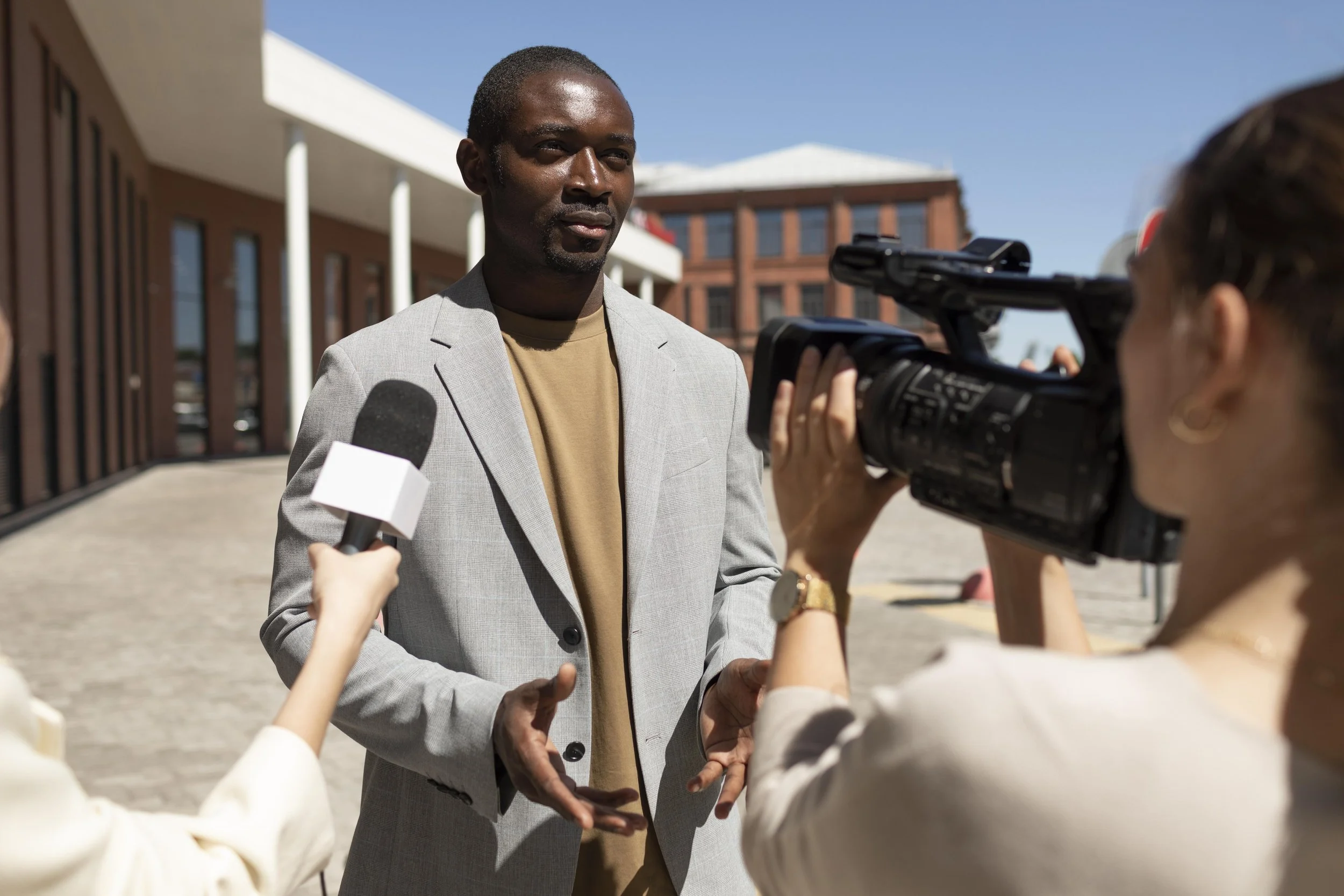
A man shares his story on camera, an example of ethical nonprofit video storytelling.
Get informed consent
Tell the person exactly what they are agreeing to. Explain where the video will appear, whether it will be used in fundraising, whether it may be shared publicly, and how long the organization’s team plans to keep using it.
Use a clear consent form, but don’t hide behind legal language. People should give consent because they understand the request, not because they were handed a form in a rushed moment.
Give people permission to say no
This is where many nonprofits mess up.
A program participant may say yes because they like the staff member asking. They may say yes because they feel grateful. They may say yes because they don’t want to disappoint the organization helping them.
So make the “no” easy.
Say it plainly:
“You don’t have to share your story to receive support. Saying no won’t affect your services.”
That one sentence can change the whole power dynamic.
Let people withdraw consent
Consent processes should include a way for someone to withdraw consent later.
Yes, this can be inconvenient. But if you’re serious about a commitment to ethical storytelling, you need a plan for it.
Stories feel different after time passes. A person may get a new job, move, enter a safer stage of life, or simply decide they no longer want that part of their life online. Honor that when you can.
Let people review the final cut
Before the video is shared publicly, let the person see it. This doesn’t mean they control every edit. But they should be able to flag anything that feels wrong, unsafe, or embarrassing. A small review step can prevent a lot of harm.
Protect identifying details
Some people can’t safely appear on camera. That doesn’t mean you can’t still tell powerful stories.
You can use a staff member, board member, volunteer, or family member. You can film hands, rooms, objects, locations, or a reenacted detail. You can change names. You can avoid faces. You can remove location clues. Ethical storytelling is no less creative. It often makes you more thoughtfuul.
A Real Example: Rethinking a Gala Video
One of the clearest examples comes from a gala video project for East Bay SPCA You can watch the video we made for them here.
The easy version would have been obvious. Show animals in cages. Use sad music. Make people feel guilty, then push them to give. That is a common nonprofit move, but it wasn't the right one.
The better choice was to show the outcome. The adoptions. The families. The animals were safe. The people whose stories changed because someone cared enough to act.
No misery montage. No cheap emotional pull.
The video still had an emotional impact. It still made donors feel something. But the feeling wasn’t guilt. It was hope, pride, and a clear sense of what their gift made possible.
That is what an effective nonprofit video can do. It can be honest about the need without suffering the product.
What Ethical Nonprofit Storytelling Looks Like in Video Content
Ethical nonprofit video content should feel honest, specific, and human.
Not perfect. Not overproduced. Not like a Canva quote card turned into a script.
You are looking for moments that feel real:
A program participant is laughing before the interview starts.
A volunteer remembers the first time they saw the mission work.
A beneficiary explaining what changed in their own words.
A staff member talking about the small details most donors never see.
A parent describing the first quiet night after getting support.
Those details build a powerful story because they feel lived in.
And they protect dignity because they show the person as more than a need.
Frequently Asked Questions About Ethical Storytelling
What is ethical storytelling for nonprofits?
Ethical storytelling for nonprofits means sharing the stories of people you serve in a way that protects dignity, uses informed consent, and avoids exploiting hardship for fundraising. It helps nonprofits tell stories that are truthful, respectful, and still compelling.
Why does ethical storytelling matter in nonprofit storytelling?
Ethical storytelling matters because it builds trust with donors, program participants, funders, staff, and the wider community. It helps nonprofit organizations share stories without reducing people to their hardest moments.
How can nonprofits share stories without exploiting people?
Nonprofits can share stories ethically by getting informed consent, explaining how the story will be used, protecting identifying details, allowing people to withdraw consent, and letting people tell their own story when possible.
Ready to tell your story the right way?
You don’t have to choose between a video that’s ethical and a video that works. The best ones are both.
If you're planning a campaign and want footage that honors the people you serve while moving donors to give, that's exactly what we do. Reach out, and let's talk about your story.