How Can SLPs In Oakland Use A Clinic Story Video To Highlight Their Approach?
Key Takeaways
Video storytelling gives SLPs a unique opportunity to demonstrate their approach so that therapy becomes more approachable and understandable to families of any background.
Clinic story videos, when structured with a proper narrative arc, authentic clinician-patient interactions and patient-centric testimonials, can be incredibly engaging and foster trust among current and potential clients.
Featuring actual therapy and true patient progress highlights the impact of interventions and builds trust and empathy.
Bringing in those patient voices and culturally relevant stories makes it inclusive and speaks to the needs of the Oakland community.
SLPs in Oakland: Use Your Clinic Story Video to Highlight Your Approach
Respecting ethics and privacy in videos keeps it professional and protects the story.
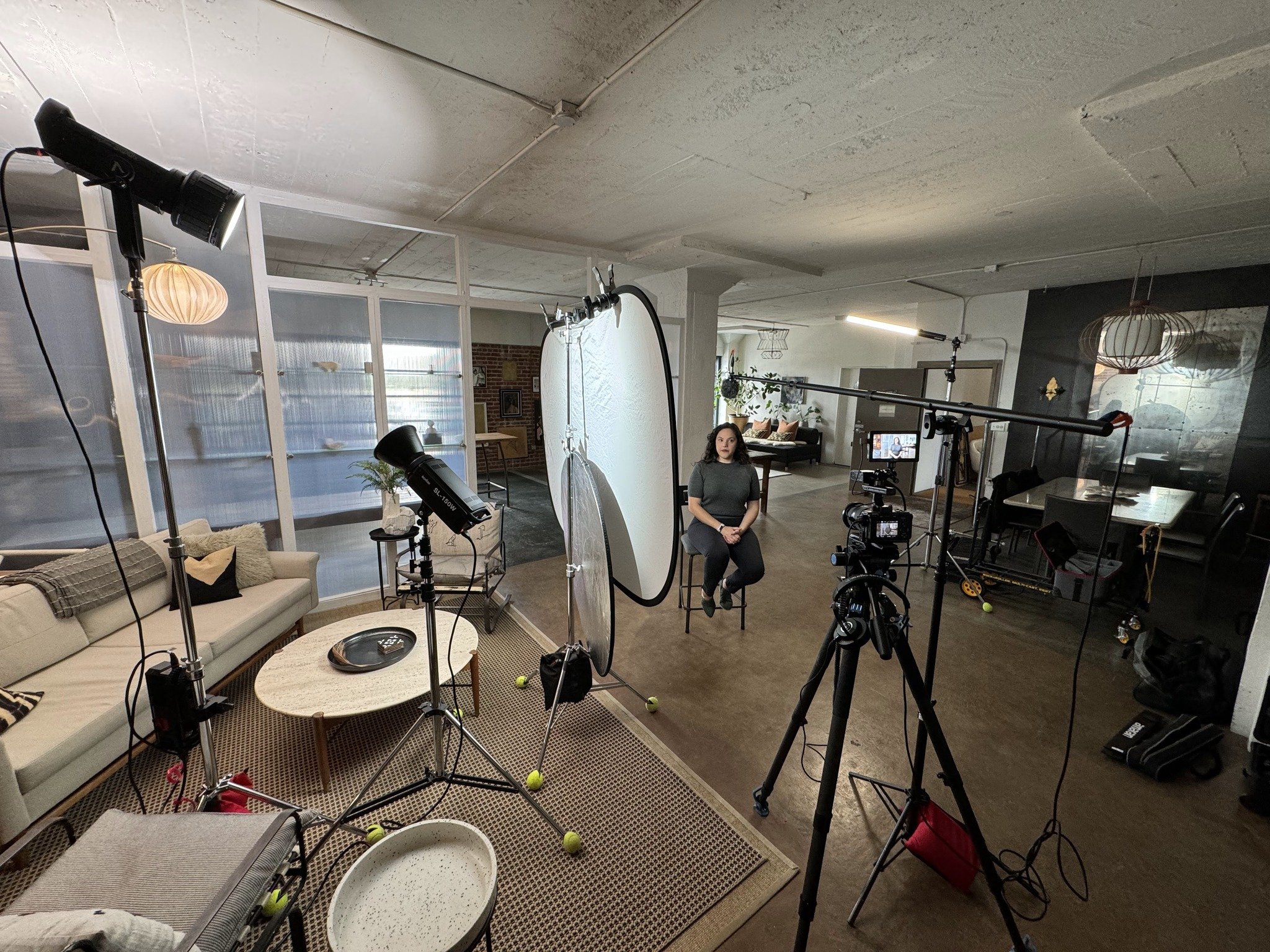
How can SLPs in Oakland leverage a clinic story video to underscore their approach? Clinic story videos provide insight into the day-to-day sessions, client progress, and team roles, enabling families and peers to observe the work of SLPs. By sharing actual clips and candid comments, SLPs in Oakland can showcase their style and outcomes so they can be easy to trust and relate to. With guidance from experienced video teams like Peakbound Studio, these stories can be shaped into authentic, engaging visuals that reflect what therapy truly looks like. Such videos can assist in demonstrating how clinicians approach speech and language needs, discuss resources or innovations, and foster deeper connections with the community. Clinic story videos can help SLPs display their expertise to prospective clients or collaborators, bringing their practice to light for everyone to observe and evaluate.
Why Video Storytelling Matters
Video allows Oakland SLPs to demonstrate how they work in a way words alone can’t. It captures an authentic and transparent glimpse into therapy that transcends written explanations. When SLPs use video clips, they can share genuine clinic moments, real voices, and unscripted responses. This builds trust with families and other professionals who can see the approach for themselves. This is where a production partner such as Peakbound Studio becomes especially valuable, helping clinics capture real moments without disrupting therapy flow or compromising privacy. These aren’t stories filled with numbers and charts, but stories of how a client transforms and flourishes, making the SLP’s efforts tangible and relatable.
A clinic story video can make speech therapy fun! When SLPs employ storytelling activities, they connect the therapy to real-life experiences that can make clients recall lessons much more easily. For instance, depicting a kid utilizing fresh vocabulary at home or a teen rehearsing speech in a circle can render the therapy process more tangible. These tales can depict both the struggle and the sweet victories, providing optimism and navigating families through what’s to come. For clients, viewing these stories might assist them in not feeling so isolated, witnessing others encountering similar steps and stumbles.
Visual cues, particularly in video, assist individuals in learning and maintaining new vocabulary or speech patterns. Something about seeing a client watching you use a skill in a real setting makes them more likely to remember it and apply it themselves. This applies to adults and children alike, and transcends both culture and language. For instance, a brief shot of a client practicing with flashcards or a parent implementing a prompt can make it click for other viewers, showing how they can implement it at home. Videos simplify it for SLPs to explain complicated concepts, as they can indicate what is occurring in the scene.
Short videos can demonstrate the complete representational course of improvement in therapy, showcasing the beginning, process, and outcomes. Think before and after. That’s useful for both SLPs and families who want to see real evidence of what works. A clip of a client employing a new sound in conversation or a parent assisting in a session demonstrates tangible, authentic advancement. These videos can assist SLPs educate others by providing real case studies for workshops or talks.
Crafting Your Clinic Story Video
A well-crafted clinic story video can assist Oakland SLPs in showcasing their distinctive approach, reaching families and establishing trust. A good clinic video will be under 5 minutes and will capture the real moments and the voices of your patients. It is interesting to watch, demonstrates what speech therapy is really like, and conveys the clinic’s values.
Key components of an engaging clinic story video:
Define your core message
Outline a clear narrative arc
Capture authentic moments from actual sessions
Center patient voices and stories
Showcase your clinic’s environment
1. Define Your Core Message
Begin by titling the key concepts that demonstrate your clinic’s philosophy and approach to assisting patients. Ensure these concepts align with what clients in your region desire and require from speech therapy sessions. Pick simple word families like get, love, and relate to. A clear message demonstrates that you know what you’re doing and helps build trust. For instance, if you’re all about targeted interventions such as child-led sessions or family involvement, mention that early and often.
2. Outline The Narrative Arc
A story video needs a clear path: a beginning, a middle, and an end. Open on a problem or goal, demonstrating what a session typically looks like, perhaps a child learning new words or a teen developing social skills through targeted interventions. Weaving in little stories enhances the storytelling abilities, capturing authentic struggles, little victories, and the lifelong transformations your team aids in creating. This framing propels the story forward and helps viewers visualize the learning experience.
3. Capture Authentic Moments
Incorporate real footage from speech therapy sessions that showcase how children or adults respond to new words, games, or tools. Using video clips can highlight little victories, such as a client smiling after producing a difficult sound or a parent cheering from across the room. Let your staff share what makes their job meaningful, as these genuine moments foster a sense of compassion and sincerity in your clinic.
4. Center Patient Voices
Allow room for patients and families to share their experiences through short videos. Mini-video testimonials featuring individuals from diverse backgrounds can enhance storytelling abilities and establish trust. By using video clips, clients can articulate how your team assisted with actual issues, such as difficulties with academic achievement or social interactions, enriching the overall learning experience.
5. Showcase Your Environment
Take viewers on a tour of your clinic, showcasing open, bright spaces and therapy tools that enhance the learning experience. Highlight special tech or play areas, as a comfortable environment supports targeted interventions in speech therapy sessions, making families feel more relaxed and protected.
Highlighting Your Unique Approach
A clinic story video allows SLPs in Oakland to explain what makes their practice different. Through thoughtful visuals and storytelling, clinics can demonstrate their techniques, values, and how they support diverse clients, including individuals with ASD. When produced with intention, often with support from studios like Peakbound Studio, these videos help families quickly understand what to expect and whether the clinic feels like the right fit.
Visual aids
Techniques include using charts, schedules, and storyboards.
The benefit is helping clients with ASD plan routines and follow them more easily.
Narrative interventions
Techniques include story circles, role play, and picture books.
The benefit is building confidence and encouraging self-expression.
Digital storytelling
Techniques include interactive apps and video modeling.
The benefit is making learning more engaging while clearly showing each step.
Success sharing
The technique involves telling real progress stories.
The benefit is demonstrating results and boosting self-esteem.
Team problem-solving
Techniques include group games and skill-sharing activities.
The benefit is bringing fresh perspectives and highlighting individual strengths.
Limitation acceptance
Techniques include goal-setting, feedback, and support-seeking.
The benefit is teaching self-advocacy and fostering personal growth.
Narrative interventions and storytelling are a big piece of many Oakland SLPs’ practice. They lead clients through narrative-driven activities, such as recounting the day’s events or dramatizing emotions, that empower individuals with ASD to discover their voice. These activities allow SLPs to identify each individual client’s style, so strengths shine. For the word-shy, storyboards and picture books provide a risk-free conduit to communicate concepts. These exercises not only construct language but promote self-invention, allow clients to experiment with new identities, and enable teams to experience novel perspectives that may not emerge through other means.
Multimedia tools and digital storytelling shape the therapy space for contemporary needs. SLPs deploy basic apps for digital storyboards or video modeling, dissecting skills into steps. Interactive games and visual schedules make it less stressful, especially for those who have ASD and like clear plans and visual cues. These devices align with the worldwide move to e-learning and provide any user, regardless of their origin, an equitable platform. They help underscore aptitudes missed in talk-only sessions.
Success stories make the entire approach tangible. Nothing like sharing a case where a client employed a video model to ace social greetings, or where group storytelling was his ticket to joining the team, to show change where numbers fall short. These stories demonstrate how a unique approach can ignite growth, foster pride, and fight back against outdated perceptions of ASD. These types of videos emphasize your special method.
Connecting With Oakland Families
Speech-language pathologists in Oakland utilize a clinic story video to address the actual lives and concerns of Oakland families. By bringing into their homes daily scenes and real voices from the community, a video clip can help families envision how therapy fits their world. For instance, demonstrating a little cherub mustering up the courage to request assistance or become part of a pack in a local park makes it immediate and tangible. This approach builds trust as families recognize their neighborhoods, listen to shared issues, and understand that the clinic honors their culture.
Cultural relevance is crucial, so the video clip examples need to employ stories that resonate with Oakland families. Little things matter, such as airing therapy sessions that incorporate foods or games from various cultures or having multilingual staff. For example, a narrative about a family that balances work, school, and raising a disabled child is likely to ring true for many. Highlighting this in the video communicates to viewers that the clinic ‘gets’ their day-to-day stress, from organizing schedules to managing the cost of care. It helps when the video discusses challenges like how some students juggle work and study or how financial aid offices may not fully understand the additional expenses associated with disabilities.
Through partnerships with local schools and groups, she demonstrates the clinic's role in the broader support network. For example, by exhibiting team meetings with teachers or check-ins with school counselors, a short video can illuminate how therapy connects to a child’s learning journey. It can note how students with disabilities coordinate with counselors to schedule their courses or seek scholarships, as not all costs or needs are reflected on the FAFSA. If the video highlights that certain online tools or forms are difficult for those with accessibility requirements to use, it shows that the clinic hears that feedback and adjusts accordingly.
Family involvement should be evident in the video. When families are depicted working with staff, making decisions, or exchanging guidance, visitors observe that their role is appreciated. This representation makes parents feel comfortable participating and advocating for their child. The video can show parents assisting with home practice or requesting help with forms. These touches make the clinic’s style tangible and useful, not just expert-driven, enhancing the overall learning experience for families.
Video As ATherapeutic Tool
Video is a powerful speech therapy tool for demonstrating authentic methods to practice speech and language skills. Incorporating short videos throughout sessions provokes attention and makes learning feel less like hard work. Videos allow therapists to demonstrate what they want to teach, such as how to narrate a story or how to converse with friends, in a manner that kids can see and hear. This visual support enables children to learn these skills more easily, as they can observe, pause, and experiment at their own pace.
A checklist for using video clips in therapy helps keep things on track. First, select a video that suits the session’s objective. Keeping the video length under five minutes is ideal, as it helps maintain kids' interest. View together, stopping frequently to discuss what’s happening. Have the child predict what will happen next or describe how a character feels. Utilize this time for drill, such as merging short sentences into longer ones or discussing the sequence of the story. Maintaining a playlist of good videos saves time and keeps you organized.
Videos are a good fit for modeling language skills. If a child requires assistance in saying a word or utilizing a new concept, the therapist can display a clip where someone does it correctly. You can emphasize language skills, such as using “and” or “because” in a sentence with animated videos. These video clip examples can demonstrate techniques, and the therapist can pause to have the child give it a go. In this manner, the child is not merely observing, they are engaging and participating.
For teaching narrative skills, video is useful in breaking down stories into stages. As a therapist, you can play a video to display the sequence of events and pause to discuss what occurred first, next, and last. This assists youth who require practice in storytelling. They can observe, listen, and then attempt to retell stories themselves, reinforcing their narrative development.
Video aids kids in learning social skills by demonstrating real-life experiences, such as making a new friend or sharing. Kids can view and discuss how they should respond or what they should say, and then role-play with friends. This facilitates their learning to act with peers or in a group, enhancing their pragmatic skills and social interactions.
Navigating Ethical Considerations
Creating a clinic story video for SLPs in Oakland involves navigating ethics at every turn. These videos must narrate authentic sagas while honoring the players and adhering to the code. The table below outlines the major ethical principles that inform these projects, allowing SLPs and tech teams to navigate ethical waters and sidestep damage. Incorporating short videos can enhance the storytelling experience by providing varied perspectives on client interactions.
Informed consent
This means getting written permission from all clients before filming or sharing any content.
An example is parents signing a consent form before their child’s video is used.
Privacy protection
This involves hiding identities and sensitive information unless explicit approval is given.
An example is blurring faces or changing names in the video.
Accuracy
This guideline requires showing real outcomes instead of exaggerated or overly positive scenes.
An example is including both progress and challenges in the final video.
Respect and dignity
This means presenting clients with care and avoiding stereotypes or biased portrayals.
An example is focusing on strengths rather than only highlighting deficits.
Transparency
This involves clearly stating what content is real and what has been staged or edited.
An example is adding captions that note when scenes have been recreated.
Privacy is, of course, a paramount concern. SLPs need to navigate ethical considerations and keep all client data secure, from raw footage to the final cut. This involves obtaining permission from families and considering how to keep sensitive information off the front page. For instance, using video clip examples with voiceovers instead of faces or omitting any details linked to an individual can be effective. Ethically navigating this territory can be tricky, sometimes, SLPs swap out names, blur faces, or focus on high-level themes rather than highlighting one client experience. These steps help maintain trust while still reporting a story of significance.
Being transparent is important. If a session in the video is staged or edited, that should be obvious so that people aren’t being fooled into believing this is what therapy looks like. SLPs shouldn’t only highlight the highlights or offer more than the therapy can deliver. Instead, they have to navigate the authentic highs and lows, so families can really anticipate. This candid strategy establishes faith with viewers and halts unrealistic expectations or misunderstandings.
To be an ethical storyteller is to show people dignity. This means not emasculating or alienating individuals for drama. SLPs can accomplish this by demonstrating how clients develop, what they enjoy, and how therapy integrates into their lives. It is about capturing an honest, comprehensive portrait, not just a highlight reel, which ultimately enhances the learning experience for everyone involved.
Final Remarks
How can SLPs in Oakland use a clinic story video to highlight their approach? Transparent snippets of actual appointments, family anecdotes, and candid dialogue from employees inject credibility. These videos highlight what works and help families envision how SLPs operate, what tools they utilize, and what differentiates each clinic. Kids and parents feel seen and heard. Simple steps and open sharing make the process less intimidating.
With thoughtfully produced videos, especially when partnering with teams like Peakbound Studio, SLPs can educate, extend their impact, and create authentic connections within their community. Interested in learning more or giving a clinic story video a trial run for your team? Connect, share, inspire, and join the conversation. Your story matters, and with Peakbound Studio, it can reach the people who need to see it most.

Frequently Asked Questions
1. How Does A Clinic Story Video Benefit SLPs In Oakland?
How SLPs in Oakland can use short videos to highlight their approach, showcasing unique techniques and enhancing the learning experience for students.
2. What Should An SLP Include In Their Clinic Story Video?
An SLP should showcase their mission, methods, and successes through storytelling activities, highlighting team members, therapy processes, and patient stories to enhance understanding of the clinic’s values and approach.
3. How Can A Video Highlight An SLP’s Unique Approach?
A clinic story video can showcase actual therapy sessions and highlight SLP strategies, using video clips and testimonials to enhance storytelling abilities, which ultimately differentiates the clinic and demonstrates its unique qualities.
4. Why Is Video Storytelling Effective For Connecting With Families?
Video stories are intimate and compelling, using short videos to help families imagine the clinic and feel more 'at home' before arrival.
5. Can Clinic Story Videos Be Used In Therapy Sessions?
Yup, using video clips makes it a little more ‘real’ for kids to know what’s coming. These short videos can serve as educational aids to teach families about therapy objectives and techniques.
Video Marketing Built To Help Speech Therapists Grow
Ready to make video a consistent driver of trust, referrals, and new client inquiries for your practice? Partner with Peakbound Studio to create strategic, professional videos designed specifically for speech-language pathologists. From brand and clinic story videos to testimonials, social media clips, explainer videos, and video ads, we help SLP practices communicate clearly, connect with families, and stand out in competitive Bay Area markets.
Whether your goal is to educate parents, build confidence before the first appointment, support referral relationships, or improve conversions on your website and ads, our team handles everything from strategy and planning to filming, editing, and post-production. Reach out today to start building video content that works across your website, social media, and marketing campaigns, and supports long-term growth for your practice.