How Do Brand Videos Help San Francisco Physical Therapists Share Their Story?
Key Takeaways
Brand videos allow you to tell your story as a physical therapist and establish trust and connection with both new patients and your current patient base.
Featuring actual patient experiences and the clinic environment in your videos cultivates genuineness, openness, and trust for your services from people across the world.
Showing your treatment philosophy and skills with case studies and educational material lets you share your story.
Including local community touches and culturally inclusive messaging in your videos helps you connect with diverse audiences and build community, wherever your clinic may be located.
When you weave your videos throughout your website, emails, and social media channels, you increase your digital footprint and attract more patients to your practice.
By consistently monitoring engagement, conversion rates, and patient feedback, you can keep fine-tuning your video strategy to make it as effective and ROI-positive as possible.
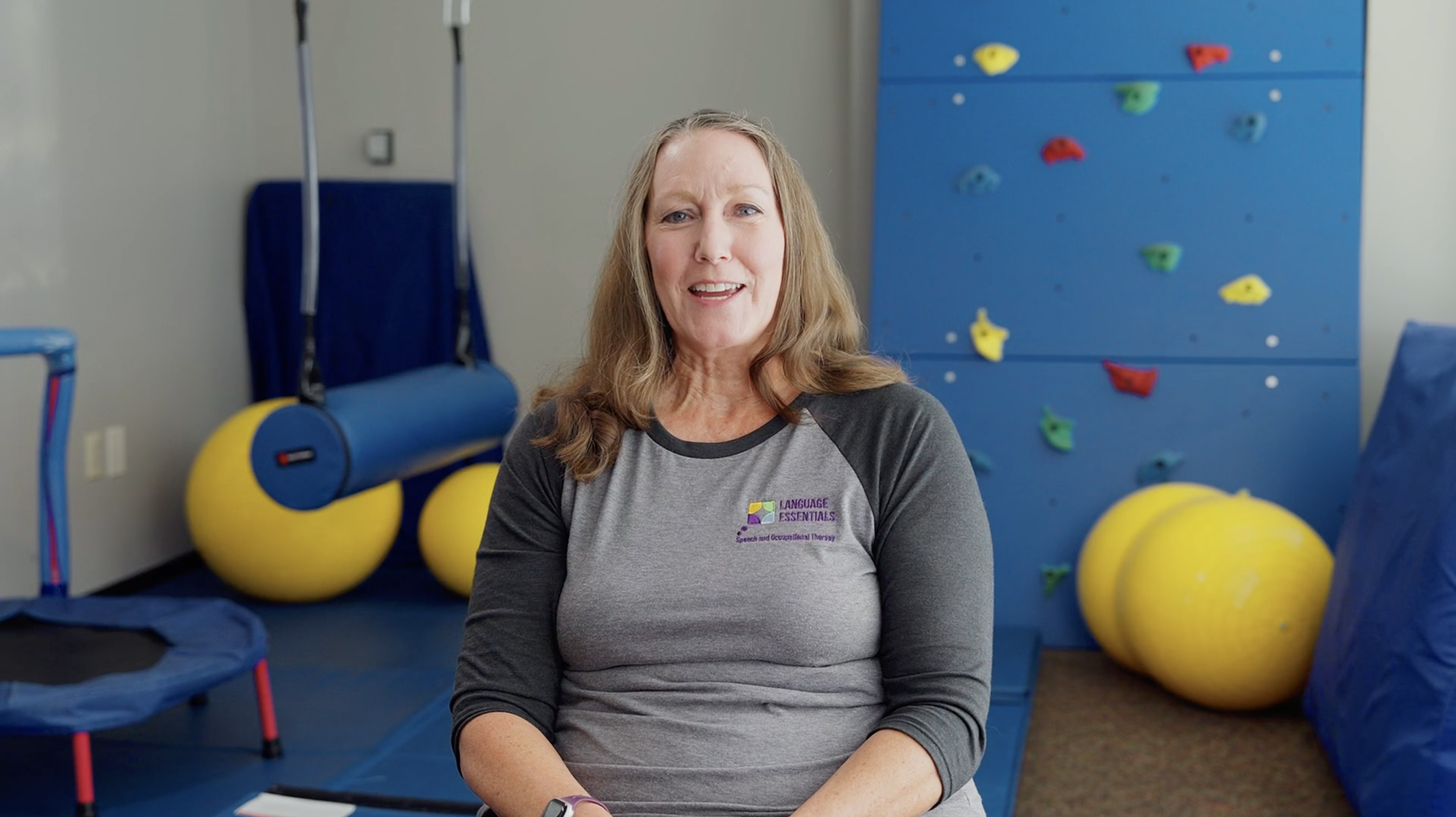
Brand videos help San Francisco physical therapists share their story by visualizing their work, values, and approach. They connect with clients who need to get to know them before scheduling an appointment. With these videos, they can talk about their expertise, patient care, and daily life in their own words and in real settings. By using actual team members or patient stories, they create confidence and make clients comfortable. Brand videos make it simple to share their message on their site or social media. In a crowded metropolis where numerous clinics provide treatment, their video can differentiate them. In the following, we demonstrate how transparent, authentic video narratives can assist their clinic to flourish.
How Videos Share Your Story
Videos allow you to share the story behind your clinic and your team. They show not only what you do but who you are and why you care. In a world where we scroll through 90 meters of feeds a day, breaking through is hard. Here’s how videos share your story and build trust with patients and peers.
1. Human Connection
Personal touch means the most in physical therapy. They want to know who is going to help them heal. Videos allow you to share your team’s stories, your mission, and what inspired you to do this work. You can film short interviews where you share your story: why you became a therapist, what you love about helping others, and how you approach challenges.
Real patient testimonials prove that you care beyond clinical outcomes. When patients discuss their experience and thank you on camera, viewers witness something they can believe in. Relatable stories like a runner’s comeback or a parent lifting a child pain-free make abstract care tangible. You can leverage these clips to address typical concerns such as “Will I belong?” or “Will they get my suffering?” These videos eliminate barriers and build trust, allowing patients to view you as a collaborator, not simply a provider.
2. Clinic Atmosphere
Images animate your environment. One video tour can communicate your clinic as safe, open, and clean. It is great to highlight the tranquil waiting area, treatment rooms, and cutting-edge equipment. You could have staff welcoming patients, conversing in the corridor, or preparing for a session. It represents a warm, professional staff and assists viewers in envisioning themselves in that environment.
Videos give you a chance to tell your story, and behind-the-scenes footage demystifies the process. Consider including a video of therapists preparing implements or breaking down safety measures. This makes the space less scary for potential new patients and reassures them about your quality of care. Cleanliness is key—show it, don’t tell it.
3. Treatment Philosophy
What makes your clinic unique? Share your method: maybe you create a custom plan for each patient, mixing manual therapy and guided exercises. Outline the rationale for your method. Videos can have case studies, such as a patient’s journey from injury to full function, step by step. This is what takes complicated ideas and makes them simple.
Of course, if you’re using new tech, such as motion analysis and advanced strength testing, show it in action. Take us through a session and explain what makes it effective. This establishes your credibility and allows readers to see your worth.
4. Patient Triumphs
Build trust by demonstrating actual effects and how videos tell your story. Pre and post-footage can showcase improvements in movement, strength, or pain. Encourage patients to share their story on video. Their voice is more powerful than numbers.
Applaud every victory, even the wee ones. Whether it’s someone walking pain-free again or going back to work, it demonstrates that healing can occur. Success stories inspire others and get your clinic recognized for outcomes.
5. Community Roots
Videos are a wonderful means of demonstrating you’re invested in more than just your clinic. Sponsor your work at health events locally or in partnerships with community groups. Emphasize how your clinic has grown up with the neighborhood and how you pay back.
Advertise wellness drives, workshops, or free screens. This makes you a community pillar, not a business. Patients want to see that you’re invested in their well-being both inside and outside the clinic.
Build Unbreakable Patient Trust
Trust is the foundation of any patient-therapist connection. Your brand videos provide you with an opportunity to demonstrate your values and abilities in a manner that sounds transparent and authentic. When you reveal your process, your team, and your values, you help patients feel confident in selecting you. They trust real people, not just a name or a logo. Videos allow you to place faces, voices, and stories at the heart of what you do.
Transparency
Your videos can demystify every stage in your treatment plans, so patients know what to anticipate before they even cross the threshold. That helps alleviate fear and uncertainty. If someone is concerned about pain, time, or costs, you can tackle these issues head-on. A lot of people believe physical therapy is just for injury or that it always hurts—your videos can dispel these myths. Build indefectible patient confidence with authentic testimonials that demonstrate what actual individuals endured and how they got better. Patients want to see results, not just assurances.
Common concerns patients have about physical therapy:
Will the treatment be painful?
How long will recovery take?
Is my therapist qualified?
Are my personal details safe?
Will my therapy plan fit my needs?
What if it doesn’t work for me?
When you share stories from therapists and patients, you build trust. Patient trust builds when they witness that you expose nothing to conceal and prioritize them.
Expertise
Sharing your credentials and continuing education indicates your dedication to quality treatment. The sample below shows how you can present your team’s strengths:
Sam Lee
Sam holds a Doctor of Physical Therapy degree and specializes in sports rehabilitation and neurology. With certifications in OCS and NCS, he brings advanced expertise to patients seeking high-level athletic recovery or neurological care.
Priya Singh
Priya has a Master’s in Physiotherapy and focuses on orthopedics and pediatrics. Her SCS and PCS certifications highlight her skill in treating both musculoskeletal conditions and the unique needs of younger patients.
Ana Gomez
Ana earned a Bachelor’s in Physical Therapy and specializes in geriatrics and manual therapy. Her GCS and COMT certifications reflect her strength in working with older adults and providing hands-on, evidence-based treatment.
Empathy
Empathy isn’t a term—it’s demonstrable. Feature moments in video where therapists hear patients’ goals or concerns. Display stories of individuals who weathered a stumble and returned to work or play. When potential patients see these stories, they realize you’re interested in more than just ligaments and tendons.
After all, sometimes one short clip of a therapist sitting down with a patient and talking about their day has more power than a long technical explanation. Each little thing, such as eye contact, a soothing voice, and a nod, demonstrates that you treat each patient as an individual. This builds trust and helps folks feel known and safe.
Engage The San Francisco Community
What does it mean to share your story as a San Francisco physical therapist if all you do is dump your skillset or post clinic hours? Brand videos enable you to build trust, demonstrate your values, and engage people where they live, work, and play. By leveraging the city’s landmarks, local health concerns, and community activities, you can connect with a broad audience and establish relationships that extend beyond the clinic walls.
Local Scenery
Displaying iconic places like the Golden Gate Bridge, Ocean Beach, or Dolores Park in your brand videos informs viewers you’re a member of the city. These environments inspire pride and make your exercise feel like home. We tend to connect more with people who are in the same arena as us.
Bite-sized snippets of local outdoor activities, such as running the Embarcadero or biking in Golden Gate Park, showcase your knowledge of the city’s active lifestyle. These images go a long way in establishing your clinic as a community fixture, not just another business. When you film during city events like Bay to Breakers or street fairs, it demonstrates to people that you’re out there enjoying and supporting the local traditions.
When you share patient successes, like the time you got someone back to surfing at Ocean Beach post-surgery, you establish relatable and compelling stories. These stories bring your work to life rather than being abstract and show others what can be done.
Neighborhood Focus
By tuning into local health trends for each neighborhood, you can expand your reach and make your videos more relevant. In the Mission District, for example, you could tackle repetitive strain injuries typical of service workers. In Richmond, it might be fall prevention for seniors.
When you partner with local gyms, coffee shops, or yoga studios for joint events or campaigns, you’re building community ties. By showcasing these partnerships in your videos, highlight that you care about local businesses and want to help the neighborhood flourish.
Go for plain language and obvious references suited to each region. Mention a Twin Peaks stair climb or a walk on the Marina Green, and your content sounds like it’s tailor-made for that audience. It allows you to tap into a broader audience by featuring the various languages, cultures, and generations living throughout the city.
Cultural Relevance
San Francisco is a city with many people. Whether it’s cultural traditions, foods, festivals, or languages, featuring these in your videos demonstrates that you recognize and appreciate this blend. When you speak to the health habits and values of different communities, you make each viewer feel represented.
Feature stories that demonstrate your dedication to inclusion, like providing care for patients during neighborhood festivals or aiding underserved populations. Employ message framing that speaks to each community's core values. This might be talking about the role of familial support in healing or multilingual advice.
Community engagement continues. Regular posts on social media, sharing tips, such as why shoulders click when raising an arm, and locally relevant keywords make sure your message gets to the people who need it most. Short-form videos are most effective for busy audiences and keep you front of mind.
Create Your Video Narrative
Creating your video narrative for your clinic is more than just capturing daily footage. It’s about crafting a narrative that outlines your purpose, philosophy, and personalized patient care. It is important to have a clear plan. Consider your budget, timing, target audience, objectives for your narrative, and the channels on which your videos will be distributed. All the way from the opening shot to the closing frame, it should be deliberate. It’s not enough just to have lots of online videos out there; your narrative needs to hook them from the beginning and make them care about your story and remember what makes your clinic special. A concentric approach maintains your message, while images and narrative maintain viewers' attention and loyalty. Linked videos, each peeling away another layer, can amplify the narrative and retain attention over time.
The Origin Story
By telling them how your clinic got its start, you help them see the human side of your practice. Begin with genuine instances—the concept that ignited your clinic, your initial patient, the challenges you encountered, and the victories that made it all worthwhile. Let your founders’ voices and stories shine through, whether that’s a passion for movement, a calling to help, or a personal experience with injury and recovery that inspired them to open the clinic.
When photos and old footage of the clinic’s infancy juxtapose shots of the current team in action, they narrate a tale of evolution. These photos reflect your history and emphasize your pledge to the community. Anecdotes make it real—maybe a founder reminisces about serving their first patient or discusses the small steps that molded the clinic’s culture. These personal touches humanize your content, helping viewers relate and establishing trust and loyalty from the get-go.
The "Why" Video
This video is where you explain what motivates your clinic and your staff. Talk about the 'why' of your clinic and what you want to transform for your patients. Perhaps you think “Movement is Medicine,” or you want to ensure that no one allows pain to hold them back from the life they desire. Talk to the viewer and show them how your mission speaks to their life.
Touch people with stories and visuals. Demonstrate how therapy transforms lives, whether it’s an individual ascending stairs once more or reengaging with a beloved sport. Showcase the afternoon your team shares and the happiness of bringing someone back into motion. Storytelling of this type doesn’t simply educate; it evokes emotion and can motivate viewers to reconsider their own health.
A powerful ‘why’ video frequently closes by inviting viewers to picture themselves on that journey. Call them to connect, not for information but for hope and transformation.
The Patient Journey
Deconstruct what goes on from the time a patient walks in to when they walk out, stronger and more confident. Make it visual—perhaps some kind of animated walk-through or actual footage illustrating each phase, from initial consultation to manual treatment to follow-up appointment. This makes the process less scary, even for the nervous nelly types.
Highlight the assistance and know-how your team provides throughout. Let everyone watch your staff being caring, patient, and dedicated. Day in the Life” videos are great for this, providing an intimate perspective of the patient/therapist experience and showcasing discipline and skill.
Include authentic reviews from patients who’ve experienced your treatment. Short quotes or little stories, such as someone who conquered a chronic ache or walked to work again, can animate your tale and comfort new patients.
Tap into these emotions using narrative arcs such as “Don’t Let Pain Keep You from Life.” Let them see the result, not just the process — a life reclaimed, a milestone reached.
Amplify Your Digital Presence
To differentiate yourself as a physical therapist in San Francisco or any other city in the world, you need more than a website. About Amplify Your Digital Presence, it all depends on the content that works for current and future patients. Video is one of the most powerful ways to do this. It lets you tell your practice’s story in an authentic, transparent manner. When you use digital channels well, you create trust, foster connection, and make your clinic distinctive in a congested digital environment.
Leverage high-quality video on your site and social media to describe your offering and tell stories.
Share frequent updates with behind-the-scenes videos that 'humanize' your team and create patient trust.
Categorize social media platforms based on their primary features to select those that resonate with your audience. Short videos are for TikTok, professional clips are for LinkedIn, and patient stories are for Facebook and Instagram.
Start targeted email campaigns with video to engage both existing and potential patients.
Apply SEO best practices to assist your videos in surfacing for high-ranking search engine results.
Look at engagement metrics to understand which videos work best, then optimize.
Add obvious calls to action that direct viewers to book or discover more.
Website Integration
Your homepage is your virtual front door. Having a video here allows visitors to meet you immediately and establishes the vibe for their experience on your site. Leverage easy calls to action on every video, such as “Book Now” or “See Our Services,” to prompt users. Fast-loading videos count. If your content loads slowly, people leave. Keep file sizes low, use modern formats, and test for speed.
A special video section on your site allows patients to discover all your stories and educational bits in one place. It assists you in constructing a trusted resource library and makes it simple for folks to share your content with others.
Social Media Content
Short clips or teasers work well on most platforms. They can lead viewers to extended, in-depth videos on your site. Great captions and the perfect hashtags get more people discovering your posts and joining the conversation. Request followers to contribute their own rehab stories or advice. This creates community and gives your page more personality. Monitor likes, shares, and comments. These metrics help you identify what works and what does not, allowing you to adjust your strategy along the way.
Web 2.0 means your content can be shared, discussed, and even remixed by others, making it a nice tool for building connections and shaping health policy.
Email Campaigns
Video in newsletters increases open and click-through rates. Nothing says that you care about your patients more than having short, personal video messages sent out to them. This might be a thank you or an appointment reminder. Promote new services or specials through video in your emails. Segment your list by patient type, age, or needs and send the most relevant content to each group.
Measure Your Video's Impact
The impact of your brand videos is not easy to measure. With so many possible metrics, it’s hard to know which ones matter for your physical therapy practice. Having a clear goal and objective in mind before publishing a video helps you zero in on results that advance your business. By measuring the right data, you gain the insight to optimize, connect with viewers, and experience true transformation in your story’s flow and resonance.
Engagement Metrics
Viewer retention rates indicate whether individuals watch your videos from start to finish or abandon them prematurely. High retention means your story holds their attention. If you observe a steep drop-off, it might be necessary to trim your videos or tighten your message. Social engagement, such as likes, shares, and comments, indicates people’s reaction to your content. You can find out if your message strikes a chord or falls flat by checking comments and responses.
For example, A/B testing lets you compare two styles or lengths. You may discover that a video depicting hands-on therapy receives more likes than one that’s a talking head. It’s a means to discovering what works best for your audience, not you. Tracking referral sources is crucial. Understanding whether viewers arrive from your website, Instagram, or elsewhere enables you to track which channels generate the greatest number of visits.
Putting all these numbers together lets you see the big picture. Engagement metrics provide a map for crafting videos that resonate with your audience and hold their attention.
Conversion Rates
The true measure of a brand video is if it inspires action. Conversion rates represent the percentage of viewers who schedule an appointment or register for additional information after viewing. Bookings after the video launch indicate that your story works.
Tracking links allow you to identify which video or platform generates a patient. For example, if a video uploaded to Facebook generates more bookings than one sent via email, you know where to concentrate. Analyzing booking trends over time helps you identify spikes following video launches. This informs you whether your videos actually deliver results, not just short-term attention.
Use this information to fine-tune your marketing. Whichever video style converts more, use it more. If certain topics result in bookings, revisit them. Data-driven tweaks keep your message fresh and effective.
Average Retention
Your average retention rate sits at 65%, showing that a strong majority of viewers stay engaged with your content. This indicates that your videos are holding attention effectively.
Social Shares
With a social share rate of 15%, your content is resonating enough that viewers are willing to distribute it within their own networks, helping expand your reach organically.
Booking Rate
A 12% booking rate demonstrates that your content leads to meaningful action. Viewers aren’t just engaging—they’re taking the next step toward becoming patients.
Referral from Instagram
Instagram is driving 40% of your referrals, with a 7% conversion rate. This highlights the platform’s strength in both visibility and influence on patient decisions.
Patient Feedback
Capturing patient feedback gives your data a human face. Measure your video’s impact. Testimonials and reviews help you understand how your video makes people feel about your care. Engage patients to contribute ideas for video topics. This demonstrates that you value their feedback, and it can inspire new ideas.
Measure your video impact — use surveys to ask how clear, helpful, or trustworthy your videos feel. Even a couple of questions can provide you with powerful feedback about what resonates. Perfect your message with what you learn. If patients tell you the videos are too long or difficult to follow, then change it up for next time.
Ask for open feedback. It helps you with more than just making your videos better. It helps you foster a deeper connection with your audience. If you implement changes based on what they hear, it demonstrates that you respect their input and respond to it.
Conclusion
Brand videos make your San Francisco physical therapy clinic memorable. You demonstrate your work clearly. You give patients a look inside your team that cultivates trust. You share authentic stories that help people visualize what you do on a daily basis. You connect with people who live or work locally and address what’s important to them. You provide fast answers to questions and demonstrate your expertise in a way that words can’t. Videos help you measure what works and what should change. To begin, choose the story you’d most like to tell. Keep it real, keep it simple. Let your team shine! If you want assistance in clarifying your story, contact us, and let’s get started.

Frequently Asked Questions
1. How Can Brand Videos Help Your Physical Therapy Clinic Stand Out In San Francisco?
Brand videos allow you to showcase your special philosophy. They highlight authentic patient testimonials and your staff’s professionalism, allowing you to establish credibility and reach those seeking physical therapy in San Francisco.
2. Why Do Brand Videos Increase Patient Trust?
Videos allow potential patients to meet your team, visit your clinic, and experience your approach to care. This transparency builds trust. When they experience your real compassion and expertise firsthand, they will be more inclined to entrust you with their health!
3. What Makes Video Storytelling Effective For Physical Therapists?
Video helps tell your story and makes your clinic more personal. You can showcase patient success stories and your team. This makes you relatable and your practice memorable and approachable.
4. How Do Brand Videos Engage The San Francisco Community?
Videos can feature your clinic’s participation in local events or collaborations. Demonstrating your community involvement helps build a stronger local presence and draws in patients who seek out community-focused providers.
5. Can Videos Improve Your Clinic’s Digital Presence?
Yes. Videos let you show up higher on search and social media. They increase traffic to your website and make your clinic more easily discoverable by prospective patients.
6. How Can You Measure The Success Of Your Brand Videos?
You can monitor video views, shares, comments, and new patient leads. These numbers demonstrate how effectively your stories are reaching your audience and inviting them to experience your clinic.
7. What Should You Include In A Brand Video For Your Physical Therapy Clinic?
Highlight your staff, patient testimonials, if granted, your clinic, and your exclusive treatment method. Keep it clear, upbeat, and focused on patient care.
Video Marketing For Physical Therapists That Helps Patients Choose You
Patients don’t just want treatment; they want to feel confident before they ever book an appointment. The right video does exactly that. At Peakbound Studio, we help physical therapists create video marketing that builds trust, explains care clearly, and motivates patients to take the next step.
Imagine a new patient watching a short brand video and instantly understanding your philosophy, your energy, and how you treat people. Picture testimonial videos where real patients share their progress and relief in their own words. Educational explainer videos can break down common conditions, recovery timelines, and treatment options so patients feel informed instead of overwhelmed. Social media videos keep your clinic visible and familiar, even when someone isn’t injured yet.
We don’t just film good-looking videos. Every piece is planned with intent. We handle strategy, scripting, filming, editing, and optimization so each video fits how physical therapy patients actually search, scroll, and decide. The result is content that feels natural, professional, and genuinely helpful.
When your videos answer questions, reduce uncertainty, and show the human side of your practice, patients respond. Let Peakbound Studio help you turn video marketing into one of your strongest growth tools. Reach out today, and let’s plan something that gets noticed and gets results.