How Do I Choose Between A Brand Video, Testimonial, Or Product Demo?
Key Takeaways
Each of these video formats fulfills a different function, and knowing these functions is key to matching video content with your marketing goals and customer journey.
Clearly defining your goal and understanding your audience’s tastes will direct your video content development and keep your messaging consistent and effective across media.
Pairing the kind of video you choose with the right purpose, whether it is building brand awareness or trust, or demonstrating value, has the kind of impact that supports measurable results.
Hard-nosed evaluation of existing assets and production capabilities assists in choosing realistic, professional video options, whether those are internal or outsourced.
Mixing formats, like storytelling and testimonials, makes for more compelling and credible video content that connects with viewers across the globe.
By consistently measuring performance with appropriate metrics and repurposing content strategically, you will be able to maximize the reach and impact of your videos across different channels and audiences.
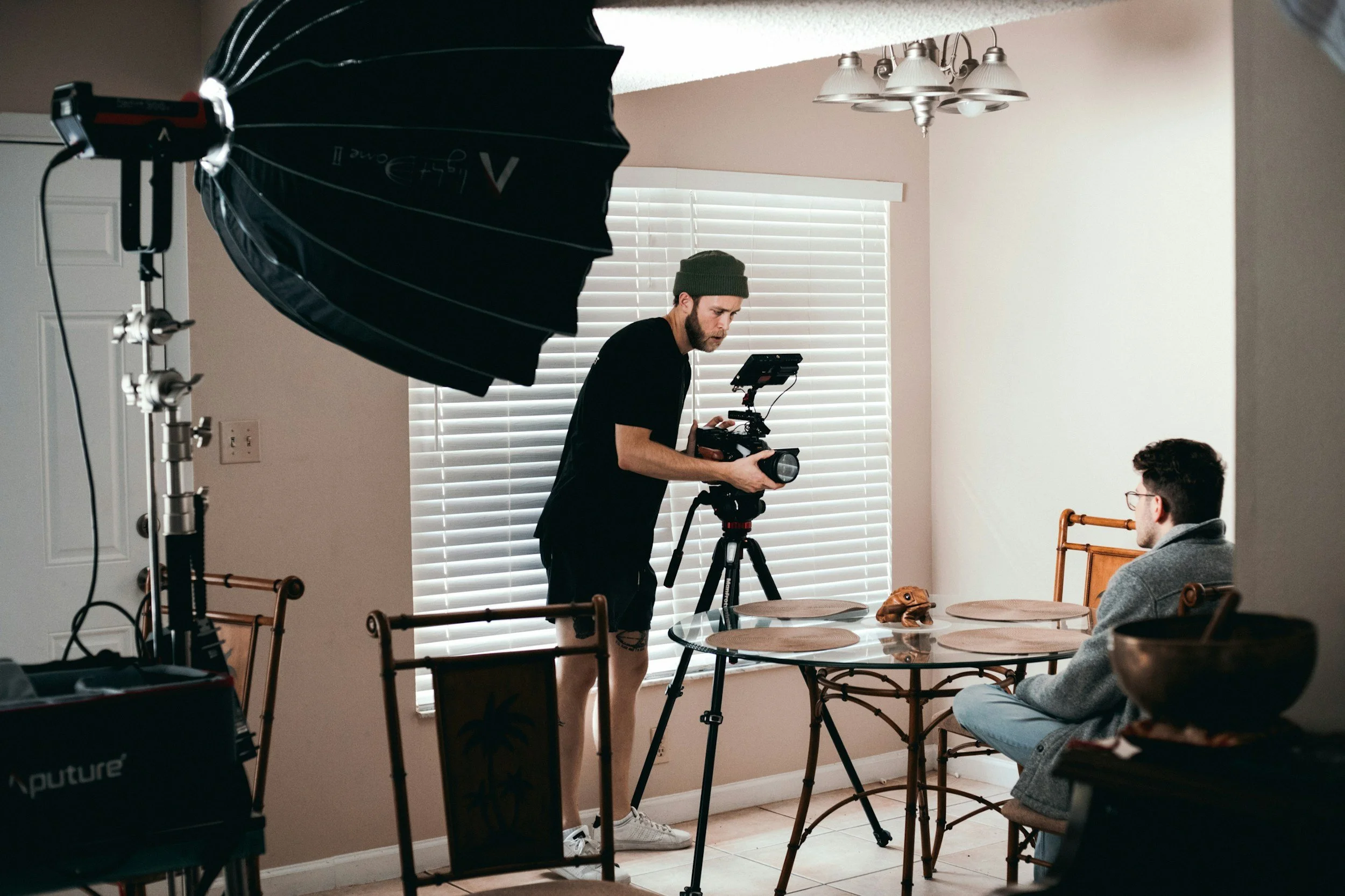
If you’re deciding between a brand video, testimonial, or product demo, begin by considering what you want the viewer to know or feel. Brand videos explain what a company is about and aid trust. Testimonials allow real customers to tell their stories, which can instill trust and demonstrate that a product actually delivers. Product demos emphasize how something works. Features and the steps are easy to visualize and follow. They all assist in achieving a different objective, so choosing the appropriate one depends on what action you want the viewer to take next. The following sections will demonstrate how each type of video aligns with typical objectives and provide advice for selecting the most suitable one for your requirements.
Understand The Three Video Pillars
Brand videos, testimonials, and product demo videos all serve different purposes, relying on the three video pillars: problem, solution, and results to engage viewers with a memorable message. Understanding how these pillars influence every style of video, including explainer videos, enables creators to deliver a more precise, concentrated message that aligns with their audience’s needs and business objectives. Every video style employs storytelling differently, and collectively, these approaches can fuel brand awareness, establish trust, and increase product comprehension.
Brand Video: Builds emotional connection, raises awareness, and shares mission.
Testimonial: Builds trust, shows credibility, and offers social proof.
Product Demo: Explains, educates, and highlights product value or benefits.
The Brand Video
A great brand video is born with a relatable story that resonates with viewers. It takes a problem they face, ties it to the brand’s purpose, and demonstrates how the brand crafts a better solution. Aesthetics count—neat shots, crisp sound, and smooth cuts make the narrative pop. To effectively convey the brand's message, it’s crucial to leverage elements from video marketing, such as product demo video examples, that are straightforward yet reflective. This approach transcends cultures and platforms while showcasing what the brand stands for, not just what it sells.
Great brand videos communicate what the brand is all about before they get to the products or services. They are perfect for launch events, company sites, and social channels. A brand video could feature a company supporting a community, advocating for sustainability, or telling the story of a founder. These stories make your brand come across as human and real to your viewers. When distributed on worldwide channels, a great brand video can increase brand awareness and make a long-lasting impact.
The Testimonial
Testimonials are about real customers and their stories. Crucially, getting honest feedback is important because people feel it if the message is unnatural or scripted. Featuring a variety of voices and backgrounds assists in accessing a broader audience. It’s clever to have software that makes it easy for clients to capture and share their words, as this maintains a fluid process and saves time for all parties.
Short quotes or quick clips do well on social, whereas longer testimonials can live on websites or product pages. By witnessing and listening to actual users of the product or service, possible customers can imagine themselves in that situation. Testimonials often highlight the same three pillars: a customer faces a problem, finds the product, and sees clear results in their own life.
The Product Demo
Product demos are about showing, not just telling. They need to focus on features and benefits, making it clear how the product works and what problems it solves. With straightforward images and layman’s terms, we create engaging product demo video examples that simplify even the most elaborate tools. Live demonstrations or screencasts offer a hands-on experience, and for an international audience, it's essential to keep the language direct and the steps simple.
A demo video can effectively guide users through a new app, hardware, or service procedure. By showcasing actual outcomes, such as before-and-afters or use cases, viewers can quickly visualize benefits. Many companies integrate product videos into webinars, landing pages, or direct sales calls. A great instance would be a demo of a language app, emphasizing how swiftly a new user can engage in real conversations.
How To Choose Your Video Type
Choosing the right video type comes down to careful planning, especially when considering options like product demo videos or explainer videos. Each format serves a unique purpose, whether it's for brand promotion or showcasing customer experiences. The process starts with internal groundwork: assess objectives, set strategy, and define the target audience. Only then should you address external resources or vendors. Consider video marketing as a tool within your wider digital marketing plan, ensuring it aligns with your message.
1. Define Your Goal
Begin with the end in mind. Identify whether your goal is brand awareness, lead generation, or customer retention. If you’re looking to introduce your brand or build trust, a product demo video is best. Product demos fit those moments when you need to teach or inform. Utilizing video testimonials can enhance credibility and encourage purchasing. Make your video’s message consistent with your overall marketing strategy. Establish clear KPIs, whether that is views, engagement, or conversions. This crystal-clear focus informs every step of your video production.
List your main marketing objectives.
Link each goal to a specific video type.
Decide on what success looks like for each objective.
Establish metrics before production to direct your crew.
2. Know Your Audience
Knowing your audience is a must in video marketing. Begin by studying their interests, demographics, and behavior. Use analytics tools to see what they engage with most. Segment users by age, location, or buying habits for more precise targeting. Brief interviews or feedback surveys can reveal what types of videos your audience prefers, such as product demo video examples or explainer videos. These observations allow you to tailor your video format and content style to actual audience desires and actions, ensuring effective engagement with potential customers.
3. Match Your Message
A video’s message should align with both your audience and your brand voice. Tell stories that solve your audience’s problems, using images and language that simplify your concepts. When sharing a testimonial video or product demo video, keep it simple: show how a feature solves a problem. Experiment with different approaches and analyze the data to see which message resonates most effectively. The magic lies in matching the message with the video style, making your content stickier and more likely to prompt action.
4. Consider Your Resources
Budget and skill set do matter in video production. Certain teams can create product demo videos in-house, while others may need to outsource to professional video production companies. It’s essential to compare the expense and time required for each style. A brand video typically demands higher production values, whereas a product demo can be captured with basic equipment. Set your schedule wisely to avoid crunches and begin modestly, expanding as you observe progress.
5. Plan For Impact
A good video marketing strategy plans for reach. Use calls-to-action to motivate the next step, whether it’s signing up, sharing, or buying. Publish explainer videos on multiple channels—social media, email, and your website—for the widest visibility. Contrast your efforts with competitors to identify holes and sharpen your strategy. Track KPIs such as watch time and conversion rates to identify what is effective. Take this insight to optimize content and select wisely next time.
Align Videos With The Customer Journey
Aligning videos with the customer journey. Every phase, from awareness to conversion, presents distinct needs and pain points. When videos align with these points, they narrate a story that resonates with viewers, demonstrating their challenges and potential solutions.
Brand videos: Best for early awareness and capturing interest.
Testimonial videos: Ideal at the consideration stage to build credibility.
Product demos are strongest at the decision stage to show specific value.
Case study videos are useful for proof during high-stakes purchasing.
Short clips help at any stage to boost sharing and engagement.
Analytics checkpoints: Guide ongoing strategy for each touchpoint.
Monitoring what viewers do with your videos provides direct feedback to sharpen messages, address pain points, and drive conversion. Analytics highlight where viewers abandon and assist you in addressing holes in your narrative.
Attracting Strangers
Brand videos create first impressions and are essential for effective video marketing. They establish the personality of your brand and provide a transparent vision for your brand values. These videos should employ authentic narratives, relevant imagery, and brief, compelling text. For instance, a tech company could emphasize its mission by demonstrating how its product addresses common issues through a product demo video. International brands frequently reach for speedy social clips, as social media ads and search-optimized videos touch new audiences. However, without a narrative, most people will scroll on by. According to research, 55% of viewers are more likely to purchase after watching a story they love. Shareable formats—short, fun, and easy to share—fuel organic reach and word-of-mouth, which is crucial for accessing worldwide markets where paid channels are scarce.
Engaging Prospects
Testimonial videos instill trust by providing a space for genuine users to describe how your solution delivered for them. People trust people, so snippets from different users or even experts in the industry echo throughout cultures. Adding comparative information, such as before-and-after results, increases believability. For more technical products, product demo videos walk through features step by step, enhancing the video marketing strategy. This clarity is important to prospects who want validation before they purchase. Interactive video components like clickable links or polls keep viewers engaged and assist you in discovering what is important to them. Email the right video to the right people at the right time to match the customer journey. The right video at this stage addresses questions, alleviates skepticism, and nudges prospects toward a decision.
Converting Leads
Make sure product demo videos have obvious calls to action. Whether it’s “buy now,” “start your free trial,” or “contact us,” don’t leave viewers guessing. The customer journey can be effectively illustrated through case study videos that demonstrate actual results, especially when they include hard numbers or expert voices. For example, a financial software brand could showcase how a client reduced expenses by fifteen percent in just three months. Urgency and exclusivity, such as limited offers, can motivate hesitant leads. By using analytics to track conversion rates, smart marketers can identify which videos drive action and where to refine their content.
The Power Of Hybrid Videos
Hybrid videos mix storytelling with proof in ways that are engaging, flexible, and memorable. These product demo videos are excellent at demonstrating products, telling authentic user narratives, and leveraging statistics to corroborate anecdotes, all at the same time. For worldwide viewers who crave transparency and authenticity, hybrid videos can demystify technical concepts and make your brand feel accessible. Their dynamic nature increases viewer engagement, and they can function in a wide variety of venues, from social media to corporate marketing videos.
Blending Story With Proof
A powerful hybrid video interlaces the brand’s story and authentic customer testimonials to establish credibility. When a brand tells a story with the direct voice of users interspersed, it provides evidence that what’s being said is not just marketing-speak but grounded in reality. It works great for tech companies, demonstrating how their software transformed a business, or for health brands showcasing a patient’s story through quality video testimonials.
Teaching the product, real people, and how they interact with it in their lives brings the emotion. They perceive utility and application instead of mumbo jumbo. For instance, a worldwide food company could feature families across the world savoring the identical item, causing it to seem communal and genuine, much like a product demo video that highlights customer experiences.
Demonstrating real-life applications is another secret. If your product demo features a customer talking about how it solved a problem, the value is obvious. Including hard facts like “95% of users saw results in less than 30 days” adds credibility and roots the story in data. Data, even when simplified, helps viewers believe their eyes, especially in product explainer videos.
Hybrid videos really shine in explainer content or tutorials where you want to show multiple angles at the same time. Mixing professional opinion, user experience, and DIY tutorials, this hybrid video format is a huge time saver that provides great authenticity.
Fusing Demos With Emotion
Injecting emotion into product demos can differentiate a brand. It’s a demo with a narrative that pulls people in. For instance, rather than simply illustrating a fitness tracker’s numbers, a video could track someone training for a marathon. Viewers are in it for the journey, not the device.
It’s highlighting customer experiences that spark real excitement or empathy that makes content stick. If a customer is visibly happy after you’ve helped them fix a chronic pain point with your offering, that’s powerful. These stories resonate across cultures and generations.
Music, color, and visuals intensify these feelings. With upbeat tunes, your how-to video jumps right to life, and softer tones provide warmth to a testimonial. Brands are always testing various emotional angles to figure out what resonates the most: joy, relief, pride, and tweaking accordingly.
The magic is in the hybrid videos. Brands could open with a product demo and then supplement with testimonial snippets or the other way around. Once shared, they should collect feedback to understand which combination engages viewers and which motivates action. Hybrid videos can be costly and require advanced planning. The effect justifies the effort.
Measure What Matters
Selecting the optimal video type begins with monitoring the appropriate metrics, especially when it comes to video marketing. It’s not measurement for the sake of measurement; rather, it’s about focusing on the things that make a difference in your product demo video. When you measure what matters, you can see what works and what needs to shift, guiding how companies and small teams develop with concrete objectives and candid comments. This concept ties to OKRs, popularized by Google, where key result focus can boost productivity by 10 to 20 percent.
Brand Video Metrics
Brand videos aim to grow awareness and set the tone for how your audience perceives you. Metrics such as reach and impressions indicate how far your message travels, while retention rates reveal if viewers stick with your video to the end. High retention generally indicates that your story resonates, much like effective product demo videos do. Social shares and comments act as potent indicators that people identify with your message and want others to see it as well. Metrics for brand videos are more than raw numbers; they show how your audience feels and reacts.
Reach refers to how widely the video is distributed and how many unique viewers it attracts. A strong benchmark for reach would be around 100,000 viewers, indicating broad exposure.
Impressions measure how often the video is shown, regardless of whether it’s clicked or watched in full. An example benchmark is 250,000 impressions, showing frequent visibility across platforms.
Retention Rate indicates viewer engagement by tracking how much of the video people watch. A healthy retention rate is about 70% watching until the end, which suggests the content holds attention well.
Social Shares reflect audience advocacy and how willing viewers are to share the video with others. A benchmark of 2,000 shares shows strong organic promotion.
Comments represent the quality of engagement, highlighting how actively viewers are interacting with the content. Around 500 comments is a solid indicator of meaningful audience response.
Testimonial Metrics
Testimonial videos create trust and credibility, making them essential in your marketing strategy. View counts indicate if people are interested, while engagement—likes, shares, comments—reveals if they care. Conversion rates associated with video testimonials monitor whether visitors act on them, for example, by registering or making a purchase. Comments assist in measuring viewer sentiment, showing you whether your message resonates as authentic. Applied A/B testing lets you optimize formats, such as single-person stories versus group testimonials, and determine what’s most effective in your video marketing efforts.
Views measure the level of interest in the content by showing how many times the video has been watched. An example benchmark is 10,000 views, indicating solid initial interest.
Engagement reflects the depth of the audience’s connection with the content, including likes, shares, and comments. A benchmark of 1,000 interactions suggests strong viewer involvement.
Conversion Rate shows how effective the video is at encouraging viewers to take a desired action, such as signing up or making a purchase. An example benchmark is 5%, which indicates good performance.
Sentiment Score captures the audience’s overall attitude toward the video based on reactions and feedback. A benchmark of 85% positive sentiment suggests the content is well received.
Product Demo Metrics
Product demos, particularly effective as video marketing tools, concentrate on demonstrating how something functions. Highly engaged viewers with low drop-off rates stick around until the end, catching every single detail. Conversion tracking linked to demo views indicates whether your demo ignites action. Viewer comments or direct feedback can shape tweaks to make the demo clearer, faster, or more relevant. Demos tend to perform differently across platforms, so cross-site performance, like YouTube versus LinkedIn, matters. Keeping track of this variability helps to fine-tune your video strategy for maximum impact.
Engagement Rate measures viewer interest by showing how actively audiences interact with the video. An example benchmark is 65%, indicating strong attention and involvement.
Drop-off Rate reflects attention loss by identifying the percentage of viewers who stop watching before the video ends. A benchmark of 15% suggests minimal loss of interest.
Conversion Rate tracks the actions taken by viewers after watching, such as signing up or requesting a demo. An example benchmark is 8%, showing effective persuasion.
Platform Analysis identifies which channel performs best for demo videos. For example, YouTube generating 75% of total views indicates it is the most effective platform for this type of content.
Maximize Your Video's Lifespan
A video’s lifespan is driven by its ability to captivate attention, its potential to be shared, and the ways it can be repurposed. Whether you opt for a brand video, testimonial, or product demo video, you want to stretch it out. High-quality visuals and crisp audio are important out of the gate. A video that looks sharp and sounds crisp will invariably outlive low-quality content. As you’re scheduling your video marketing strategy, think about length. Keep it to 2 to 3 minutes to maintain interest because even a 60-second video can lose people if it lags or seems irrelevant. Less is more, particularly to an audience living a busy life.
A well-shot brand video can be cut into short segments for social media, where quick, punchy posts do best. For instance, a two-minute video testimonial can turn into three 30-second highlight reels, each covering a different segment of the narrative. Product demos can be cut into GIFs or quick tips for mobile feeds. This approach extends your content’s lifecycle and molds your message to suit where your audience spends their time. Always use metric units and a universal currency standard so that your content is relatable around the world.
Shorter clips distilled from longer videos are more shareable, particularly if they have a hard-hitting message or contain tips. Social channels Instagram, TikTok, and LinkedIn cannot resist a quick, direct read. Every platform favors content in its own style, so adapt your clips. For example, a story-driven brand video can be dissected into a TikTok teaser or LinkedIn recap. Keep it conversational and emphasize a single concept per clip to keep things memorable and punchy.
Email campaigns are yet another established method to squeeze more out of your videos, featuring video thumbnails or clips in your newsletters allows you to catch folks who may not subscribe to your social feeds, and email can be a great way to direct your viewers to your primary video or distribute a sequence of short clips over an extended timeframe; this repetition keeps your video fresh and top-of-mind.
A checklist helps keep your strategy on track, ensuring that your video production aligns with your overall marketing goals and resonates effectively with prospective customers.
Capture high-quality visuals and audio from the start.
Too long and viewers won’t watch, too short and you’re missing the opportunity to maximize your video's lifespan.
Break longer videos into several shorter clips for sharing.
Have a conversational tone and a clear message in every cut.
Make it into a story. Demos with stories retain twenty-two times more.
Distribute clips on globally friendly platforms using metric units and universal currency.
Send clips in regular email campaigns for sustained reach.
Aim each video at a specific audience and update it regularly.
Conclusion
To select the appropriate video, match your objectives with the authentic interests of your audience. Brand videos establish mood and generate interest quickly. Testimonial videos provide confidence and allow authentic users to advocate for you. Product demos show how your product works, step by step. Combine these types if you desire additional reach or a richer narrative. Measure what works, like watch time or shares, to see if your plan hits the mark. Here’s a tip: Use each video in multiple places. Consider your website, your social feeds, or even a sales presentation. Keep it real, short, and true to your brand. Have a story or tip that works for you? Post it below and assist others in selecting wiser next time.
Frequently Asked Questions
1. What Is The Main Difference Between A Brand Video, A Testimonial, And A Product Demo?
A brand video outlines your story, while a testimonial video provides authentic customer perspectives. A product demo video showcases your product in action, fulfilling a distinct role in your marketing strategy.
2. How Do I Decide Which Video Type Fits My Goal?
Select based on your objective. Brand videos create awareness, while quality video testimonials build trust, and product demo videos enhance understanding. Align your video type with your marketing strategy to guide your audience's next steps.
3. When Should I Use Each Video In The Customer Journey?
To decide between a brand video, testimonial video, or product demo video, consider posting quality video testimonials during the consideration phase and showcasing product demo videos when your audience is nearing the decision stage.
4. Can I Combine Video Types For Better Results?
Yeah, hybrid videos do the trick. Mixing it up by incorporating quality video testimonials in your product demo video adds interest and credibility.
5. How Do I Measure Video Success?
Monitor crucial metrics such as views, watch time, and conversions for your promo videos and product demo videos. Identify goals for each video type and evaluate performance against those goals.
6. How Can I Make My Videos Last Longer?
Refresh content often, focus on evergreen topics, and use re-purposed clips, like product demo video examples, for different platforms. This multiplies the return on your video marketing investment.
7. What Makes A Video Effective For A Global Audience?
Speak clearly and avoid local references in your explainer videos; subtitling ensures message delivery to viewers worldwide.
Showcase Your Brand With Peakbound Studio’s Business Video Expertise
Not sure what type of video will make the biggest impact for your business? Choosing the right format matters. At Peakbound Studio, we help brands identify and produce the video types that best fit their goals—whether you’re building trust, explaining services, or driving conversions.
From brand videos that define your identity to explainer videos that clarify complex ideas, we craft visual stories that connect with your audience and strengthen your message. Need to boost engagement? We create social media clips designed for maximum shareability. Want to earn credibility? Our testimonial videos spotlight real client experiences. Looking to educate or onboard? We’ll script and produce training and tutorial videos that make learning clear and engaging.
Every video we produce blends cinematic quality with strategic intent. We handle everything from planning and scripting to filming, editing, and optimization for each platform. The result is content that looks polished, performs well, and aligns perfectly with your brand’s voice.
When your business videos reflect purpose and quality, your audience feels it. Let Peakbound Studio help you choose and produce the right video types to elevate your brand story. Contact us today to start planning your next project.