What Questions Should I Ask Before Hiring a Video Production Company in the East Bay?
Search for the perfect video production company in the East Bay. Ask questions about video production skills, experience, and client relationships. Highlights are the breadth of their previous work, their equipment and software, and how they manage edits and feedback. Inquire about their crew size, sample timelines, and if they will show you full-length samples, not just highlight reels. See if they have previously worked in your industry or style of business and if they are able to handle all aspects from concept through final files. Rates, contracts, and their strategy for clear discussions are important as well. Knowing what to ask lets you identify a trustworthy team. Below are the most useful questions to ask and why each is important.
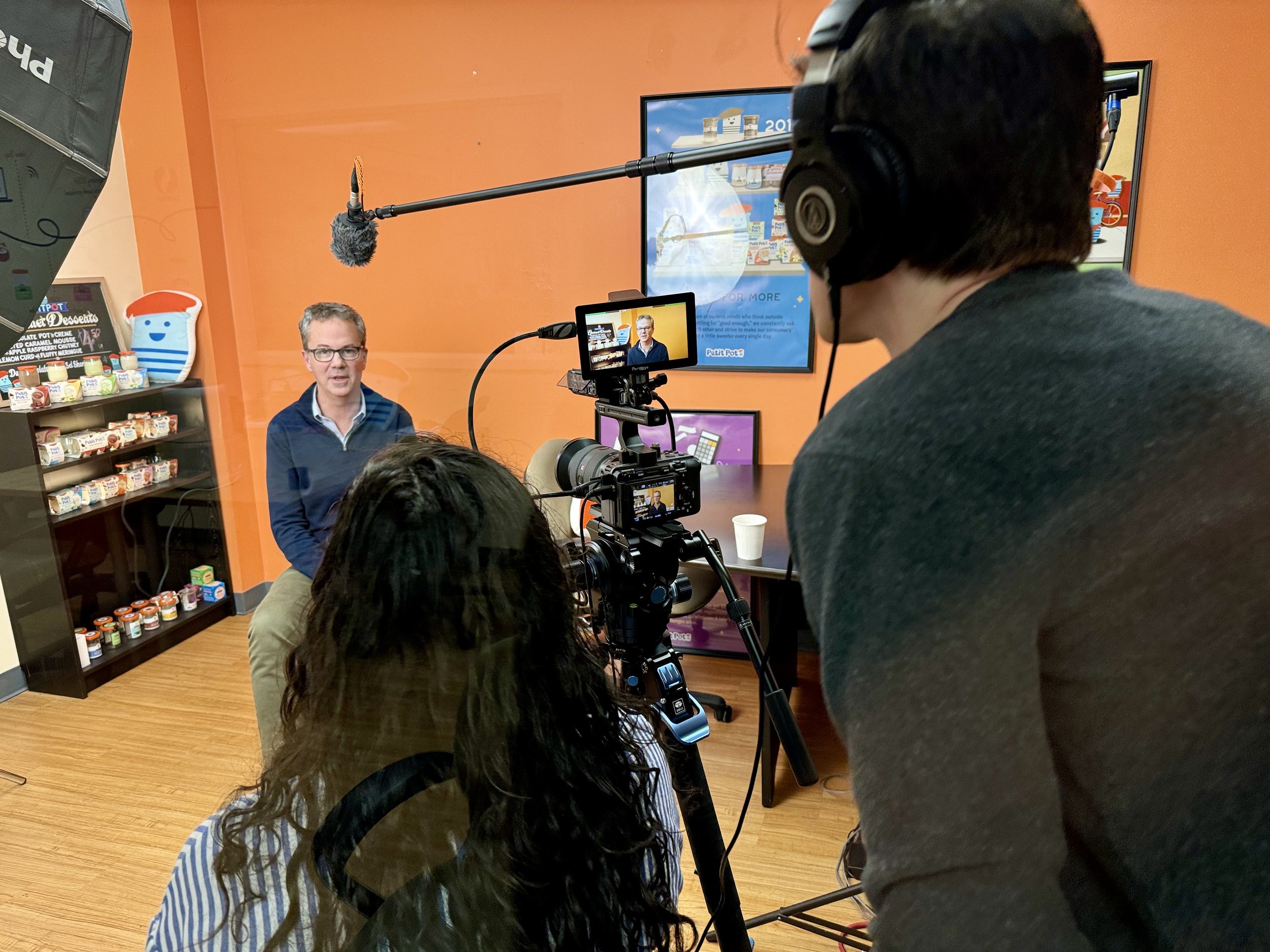
Key Takeaways
Make sure you vet a video production company for what kind of stories they tell and how that fits your brand's story and audience, especially in the local East Bay area.
Find out if they take a cookie-cutter approach or a tailored one and what you can expect in terms of stories and end results.
Get a good grasp of the entire production process from pre-production planning through production day logistics to post-production quirks so you can set expectations and be involved in each stage.
Dig into budget and timeline specifics by asking for clear cost breakdowns and discussing what might affect your schedule. Make certain the company can still deliver quality within your constraints.
Understand project ownership – who owns the final deliverables? Who owns the raw footage? What are the licensing terms and future use? You want to retain full control and flexibility over your video assets.
Think about a long-term partnership, such as ongoing support and consultation, and the company’s role in your bigger video strategy.
Aligning Creative Vision
A great video project depends on a shared creative vision between all involved parties. This guarantees the project’s tone, objectives, and aesthetic match your vision and brand. Powerful alignment is everything; it saves you time and money by informing decisions and keeping your team on track. Your creative vision needs to mirror your core messages, match your audience, and remain adaptable. Transparent communication is essential in holding all parties accountable and ensuring your project proceeds without a hitch.
Key aspects of the storytelling approach:
How they build stories visually
Ways they spark emotion and connect with viewers
Their method for calibrating story style to format.
Their ability to pivot to new objectives as the vision evolves.
Their policy of transparent and candid discussion among all members of the team.
Their Storytelling
Inquire about the company’s narrative methodology. Do they utilize a traditional story arc, or do they lean towards mood and imagery? Ask for some examples of completed projects to understand their approach to transforming creativity into narrative. This provides a feel of their actual effort, not simply what they claim to accomplish.
Learn how they adapt their narrative across various formats of videos. For instance, a brand launch film has to have a different vibe than a how-to clip or social media short. See if their crew is flexible enough to change tone and style for you.
See if they can move viewers. Do their videos make you feel something? Good storytelling works when it creates a connection with the listener.
Your Brand
Discuss your brand values. Inquire as to how they are going to display these in the final video. Find out if they maintain brand style consistency from clip to clip and not just project to project.
See if they’ve worked with brands like yours. What emerged from those gigs? Inquire how they utilize your input to align the look and feel so your brand shines through every frame.
Local Flavor
Inquire about their understanding of East Bay culture and trends. Have they collaborated with local businesses or at local events? A truly rooted team can make your video resonate right for its audience.
Dig into how they utilize local insights for content. For instance, do they know what places, faces, or topics are going to click with people locally? See if their previous work resonates with your demographic.
Key Questions for East Bay Video Production
Your video project’s outcome is defined by selecting the right video production partner. Be direct: cover expertise, process, team, local knowledge, and success measure. Here’s what you should absolutely cover for a transparent, effective collaboration.
1. Portfolio Relevance
Request to view a portfolio with projects similar to yours. If you require a training video, ask for samples from that genre. See how the sound, edit, and visuals play out. Discover how they overcame challenges, such as filming in low light or editing massive raw files. Up to 600GB is not uncommon. A varied portfolio demonstrates that they can take on both scripted and unscripted work, animations, interviews, and event coverage. Talk about whether they’ve done clients with similar approval structures or revision cycles. Some require three or more edit passes.
2. Creative Process
Find out how they kick off an idea and if they assist you in getting down to three focused messages. This keeps the video sharp. Discover the process from storyboarding to post-production, including how many script revisions you should expect. Inquire how they utilize your feedback. If your schedule is tight, request samples of them maintaining creativity high under deadline pressure. Talk about the tools and software they use to make sure nothing is outdated, which can impact the final video’s quality.
3. Team Structure
Specify who will be on your project — in-house or freelancers. Freelancers may fill in specialized positions for a fixed price or on an hourly basis and it often ends up being cheaper. Inquire about the team’s experience with shooting, lighting, sound, and editing. Talk about how they maintain transparency with everyone involved and how they’re flexible if your needs evolve, like wanting to add animation or more locations.
4. Local Expertise
Inquire about their relationships to East Bay venues, talent, and vendors. That local know-how can assist with permits or the perfect backdrop. Find out if they hear trends that might influence your audience response. A well-connected company might fix logistics problems more quickly and propose how to make your video pop.
5. Success Metrics
What is the purpose of your project to educate, to convince, or some other purpose? Ask how they measure video success: do they track viewer engagement or conversion rates? Ask whether they offer analytics or advice to maximize your video’s impact after launch. Talk about expected ROI and how they will assist you in reporting results to stakeholders.
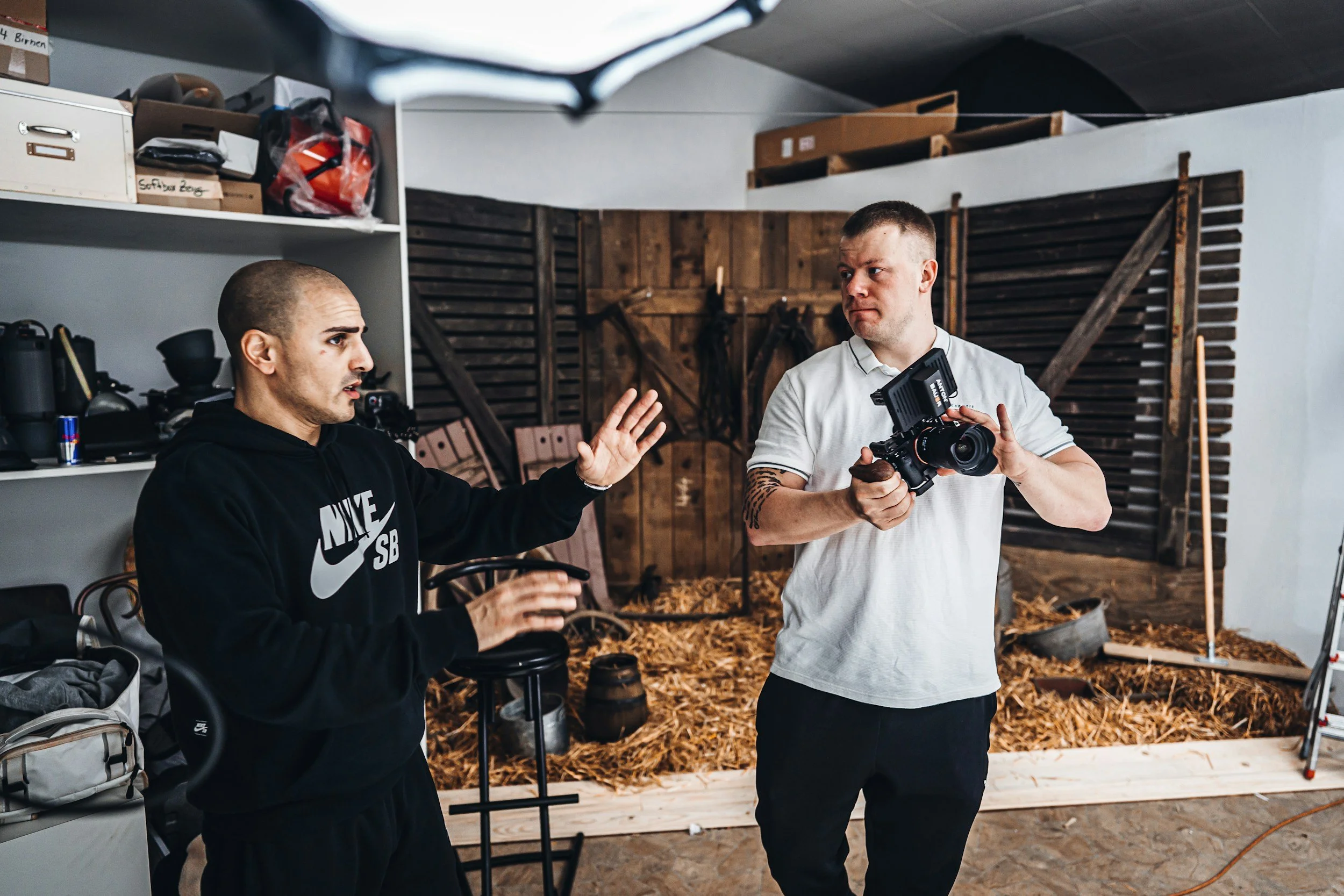
Understanding The Process
When you hire a video company in the East Bay, understanding the process helps you set expectations, evaluate partners and ensure your objectives are on the same page from day one. Video creation is not simply filming; it is a series of stages, each of which has a role in defining the end product. A clear process, with transparent communication and effective project management, ensures the final product fits your requirements and arrives on time.
Pre-Production
Pre-production sets the stage for everything that follows. Here, the team works with you to define the problem or goal the video should address. This step is where you want to know how they gather requirements and shape your ideas into a plan. Ask about the script development process and check if they include options for multiple script drafts. Storyboarding is another key element. See how they visualize scenes before filming. Location scouting is often needed for larger shoots, and knowing how they select sites can help you judge their attention to detail.
This stage encompasses logistics, like timing and resource management. With some clear planning, you can prevent a lot of last minute headaches and lost time. Some teams utilize project management tools, so inquire about the tools or systems they employ to keep track of tasks and share updates. Lastly, inquire about risk management. How do they address unforeseen factors, like permits, weather, or equipment? Knowing these stages can assist you in identifying if they’re prepared for the deep work of big projects or if something like a freelancer will suffice for smaller, one-off requirements.
Production Day
Production day is where preparation collides with execution. Discover who’s on the crew and what they do, from director to lighting tech. Knowing roles helps you comprehend the action on set. Gear is important. Inquire about their cameras, mics, and lights, as tech selections have a direct impact on video quality.
Time is another concern. How do they maintain shoots on schedule? Great teams utilize call sheets and comprehensive shot lists. Surprises like bad weather, mechanical failures, or tardy folks pop up frequently. Dependable firm details convert, so the day is not lost and the job is still moving.
Post-Production
Editing makes the story live. Inquire about their editing process — how do they cut and arrange footage, and what does the timeline from first cut to final draft look like? Most projects require more than one pass of edits. Inquire about how many passes are included and if there are additional fees for more changes.
Sound design, color grading, and VFX set the tone and polish the look. Inquire if they handle this internally or outsource to freelancers for certain jobs like mixing. The final alignment with your vision is key. Check if they employ check-ins or review sessions to ensure the outcome aligns with your objectives, audience, and message.
Navigating Budget and Timeline
Navigating Budget and Timeline – Before signing with a video production company, it’s key to know how they approach budget and timeline. This checklist helps cover the main points: get a detailed breakdown of every cost, ask how they manage budget limits while keeping quality, check how flexible they are with timeframes, and see how well they keep you informed about costs. These steps can help ensure your investment aligns with your objectives, whether you’re planning a quick social clip or an intricate, multi-location shoot.
Cost Breakdown
A transparent price list prevents surprises and sneak charges. Many companies share costs in a table like this:
Pre-Production
Example costs: $500–$5,000
What’s included: Planning, scripting, storyboarding, and overall project preparation
Production
Example costs: $1,000–$30,000
What’s included: Filming, crew labor, equipment rental, travel, and on-site logistics
Post-Production
Example costs: $800–$10,000
What’s included: Video editing, motion graphics, sound design, and color grading
Additional Fees
Example costs: $100–$2,000
What’s included: Location fees, permits, extra revision rounds, and rush delivery charges
See if the company bills for revisions or overages. Some only go within specific ranges, like $5,000 to $10,000. For less major projects, freelance rates can be hourly or per project. Professional video production can cost anywhere from $1,200 to over $50,000, depending on needs. Always request a sample video produced at your intended budget, such as a $10,000 sample if that’s your ceiling. This helps you know what to expect and whether the value fits your spend.
Timeline Variables
Timelines are dictated by the size of the project, levels of approval, and complexity. Variables that impact timelines include:
Script and Storyboard Passes
Impact on timeline: Each additional review or revision pass can add several days to the schedule
Number of Filming Days
Impact on timeline: More filming days directly extend the overall project timeline
Locations and Travel
Impact on timeline: Multiple locations or required travel increase coordination time and logistics
Approval Steps
Impact on timeline: Additional approval layers can slow progress and delay final delivery
Businesses with multiple projects have to navigate their budgets and timelines. Inquire how they avoid lag and maintain excellence. Receive their average turnaround for various formats, such as one week for simple shoots and a month or more for complex projects. Allow buffer days, particularly if approvals are lengthy. Tricky requirements, such as shooting underwater or at multiple locations, will nearly always require an extended timeline.
Payment Terms
The majority of companies divide payment into a deposit and final balance. Others might have payment plans for larger projects. Inquire about late fees and cancellation. Take a look at their refund policy. If it’s a freelancer, anticipate hourly or project-based billing, not a predefined range. They should know money matters too. Payment terms should be spelled out, with no unexpected changes if the schedule moves.
Defining Project Ownership
Project ownership is a major consideration in selecting a video production company. Who owns what when? This impacts how you utilize, modify, or distribute the end video. Well-defined project ownership keeps us all on the same page, prevents ambiguity, and ensures all team members understand their responsibilities. Clear ownership boundaries reduce delays, avoid scope creep, and help keep the project on target. When ownership is shared between teams, defining roles and responsibilities becomes even more critical to progress. Decision-making authority, such as budget, timeline, and creative direction, should be agreed upon early to keep the project on track and within budget.
Final Deliverables
List all expected video formats (MP4, MOV, etc.)
Request multiple versions: full-length, teaser, social media cut
Clarify resolution needs (4K, HD)
Ask about color-graded vs. ungraded files
Receive information on bonus content such as behind-the-scenes footage or promo edits. Certain studios provide these for an additional fee, so specify if they are included. They should know how their delivery is secure and efficient, such as password protected links, cloud storage, or physical drives. Be clear on how many revision rounds are included and what constitutes a revision. If you anticipate changes, inquire how these are handled and whether they impact delivery timelines or expenses.
Raw Footage
Request that you get to view and retain the raw footage at the closest of the undertaking. Some companies charge additional or retain rights to the video, so this has to be explicit. If you need edits later, know their policy for accepting new requests. Ask them how long they keep raw files and in what format, as this may affect your ability to access or repurpose them down the road. For ongoing projects, check if they will give you access to raw footage for new edits or campaigns.
Future Use
Learn exactly how you can utilize the final video in your marketing, websites, social media, or broadcast. A few agreements restrict usage via platform or geography. Inquire whether you will be able to edit or share the video afterward. Find out if they will provide advice on how to repurpose the content for other platforms, such as short clips for social feeds or localized versions for global distribution. See if they provide some help in marketing the video once it goes live.
The Partnership Beyond The Project
When you consider hiring a video production company, it’s not just about producing one video. You want to know if they’re the right fit for a consistent, ongoing partnership. The best outcomes occur when both parties communicate effectively and have aligned objectives. This results in easier work and finer content in the long run. If you’re looking for more than a one-off project, it’s helpful to get a sense of how the company operates beyond the initial job to see how they do with ongoing work.
A solid collaboration develops from transparent conversations and genuine critique. When you meet with a video company, inquire about updates and genuine progress reports. This indicates they want to have you in the loop and address issues before they become too large. Trust is crucial. If you know you can rely on them, you won’t have to stress about missing deadlines or subpar quality. Discuss the strategy, schedule, and budget up front. This clarifies what each side needs to do and keeps things equitable. Freelancers can be great for one-off gigs or small pieces of work, but for larger concepts or bulk videos, a full studio is usually the smarter choice.
If you’re going to grow your brand with more videos down the road, check if the company will hang around for support and guidance. Sure, other companies wrap up the project and move on, but others will help you with edits, new ideas, or tech help later. This is relevant if you’re trying to build out a complete video strategy, not just one ad. A company that cares about long-term ties will assist in planning ahead. They may notice opportunities to apply emerging tools or trends, making your content timely and valuable. Support after the project, such as file upkeep or tech updates, needs to be addressed prior to committing. That way, you know what you’ll receive, and there are no surprises.
Conclusion
Locating your East Bay video team requires more than a quick search. Inquire about their style, their equipment, and their roadmap to each phase. See if they understand your message and your objectives. Inquire about price and how they deal with tight dates. Make sure you find out who owns the video at the end. A good crew will be direct and demonstrate previous projects tailored to your requirements. Straight conversation results in quality work and confidence. Want a painless gig? Ask tough questions and keep your mind open. Got your own tips or questions to share? Let’s assist one another in making intelligent selections for video work.
Frequently Asked Questions
What should I look for in an East Bay video production company?
What should I ask before hiring an East Bay video production company? Make sure they get your vision and can produce top-notch work on schedule and on budget.
How can I make sure my creative ideas are understood?
Provide specific references, objectives, and examples. Ask the company how they handle creative collaboration and if they send storyboards or concept drafts before filming begins.
What questions help clarify the production process?
Inquire about their workflow, important milestones, roles of team members, and the process for managing feedback or revisions. This way you remain in the loop throughout the project.
How do I discuss the budget and timeline openly?
Ask for an itemized quote, including every conceivable cost. Require them to provide timelines and delivery dates. Find out what happens if the project scope shifts.
Who owns the final video content?
Find out who owns rights before you sign a contract. Inquire whether you are given full rights to the completed video and raw footage or if it is restricted.
What ongoing support can I expect after the project?
Question if they are providing post-project services like editing revisions, file backups or advice on distributing your video online. These products can provide sustainable value.
How can I verify the company’s credibility?
Look for certifications, industry awards, and client testimonials. A good company will be upfront about their experience and will be glad to share references.
Peakbound Studio: Your Oakland Video Production Company
Standing out in today’s digital landscape takes more than just a camera—it takes strategy, storytelling, and a team that understands how to connect your brand with the right audience. At Peakbound Studio, we’re an Oakland-based video production company helping local businesses and nonprofits turn their ideas into powerful visual stories that inspire action.
Whether you’re promoting your brand, launching a product, or building a social media presence, our full-service production team handles everything from concept to final edit. We specialize in high-quality brand videos, testimonials, product demos, and event coverage that reflect your business goals and resonate with your audience.
Every project starts with your story. We work closely with you to define your message, style, and goals, then bring it to life with cinematic visuals and professional editing optimized for web, social, and broadcast. Our Oakland roots keep us connected to the Bay Area business community, giving us a unique edge in creating authentic, locally grounded content that performs.
If you’re ready to strengthen your brand and engage your audience through video, Peakbound Studio is the partner you can trust. Let’s create something that not only looks great—but gets results. Contact us today to start your next project.