What Should I Expect When Working With a Video Production Company in Oakland?
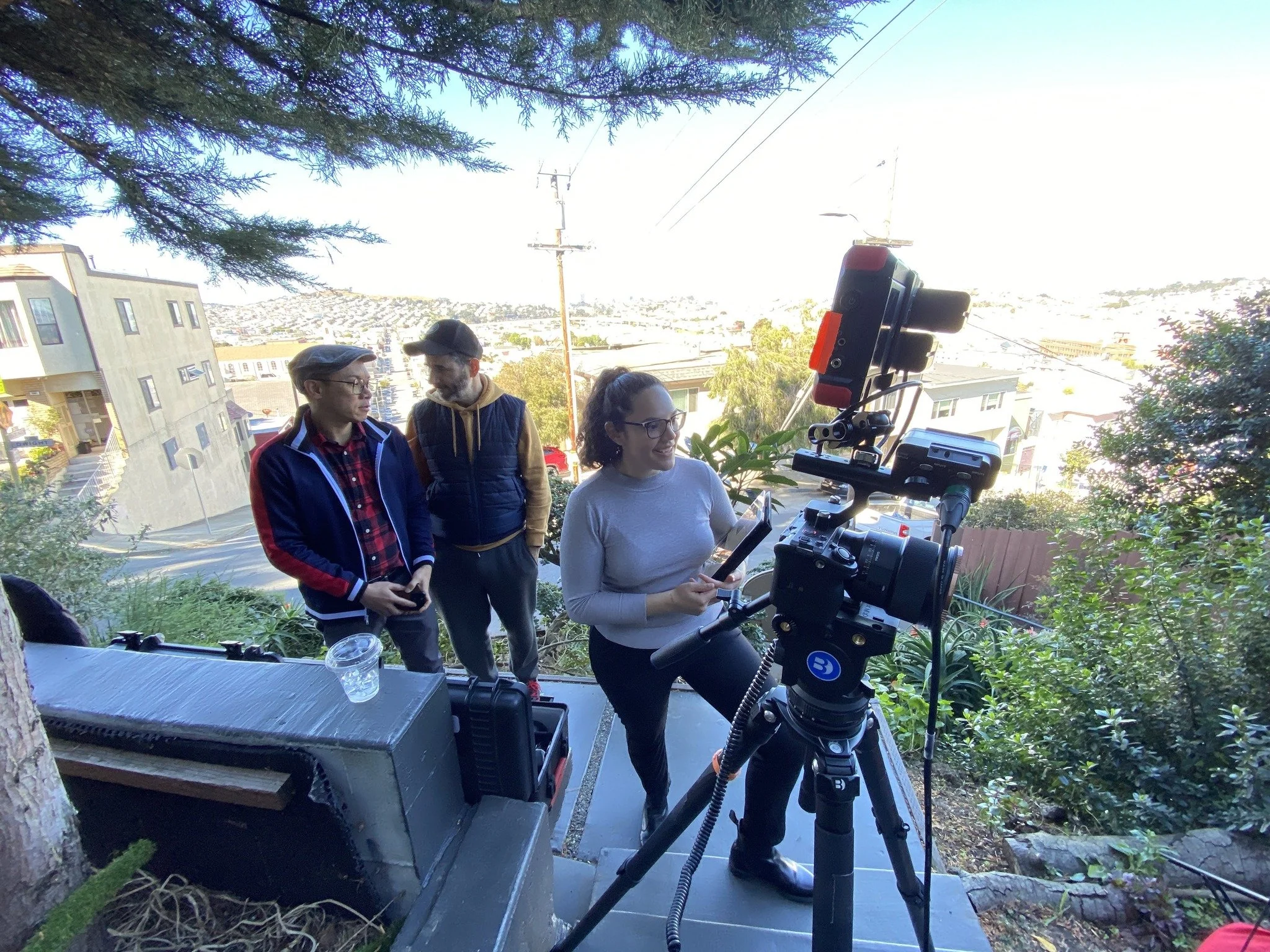
So what should I expect when working with a video production company in Oakland? Clients should expect a process that is founded in open conversations, planning, and craftsmanship. Most Oakland companies take a phased approach, beginning with discussions to understand your objectives, then storyboarding, shooting, and post-editing. Teams typically mix and match expertise in film, sound, and motion graphics depending on the need, whether it is an ad, social clip, or training film. Rapid responses and casual conversations are the norm, and local crews are accustomed to the city’s diversity of locations and aesthetics. Fees, lead times, and gear can vary by project scope, so it is good to inquire about these up front. The following sections will describe each phase and what forms the complete procedure.
Key Takeaways
Begin by establishing a clear vision and a strategic production plan in collaboration with your chosen video production company to ensure alignment with your objectives and target audience.
Be involved during the production cycle, from concept to final edits, and give feedback when possible to help production companies make the most effective product.
Injecting some of that local flavor and cultural richness of Oakland’s talent pool can really boost that authenticity factor and build a real connection with audiences in other parts of the world.
Get real about production costs, including budget for crew, equipment, locations, and post-production, to keep things honest and avoid surprises.
Believe in the knowledge of the production professionals. Be decisive and communicate. This behavior fosters good collaboration and keeps the project on track.
Expect the unexpected and be flexible and communicative throughout the process while thinking ahead to marketing and distribution to make sure your video gets the widest possible reach and engagement.
The Collaborative Blueprint
Your video production company in Oakland, or anywhere else in the world, is a collaboration so establishing a solid relationship founded upon agreed objectives, mutual expectations, and constant feedback is paramount. A collaborative blueprint is what keeps this relationship intact, guiding everyone toward a shared result. The activity isn’t just creative thinking; it’s procedural, decision-driven, and reliant on the professional knowledge of each participant.
1. Vision
Begin by communicating your brand narrative and core messaging. This isn’t just logos or slogans, it’s what your brand represents and how you want viewers to feel. Perhaps you want the video to emphasize innovation, trust, or social impact. Be clear. Collaborate with the production team to bring this story to life. Details matter, be it interviews, animation, or real-world footage. Don’t forget to mention any motifs or aesthetics key to your audience, like color palettes or mood. Our team can steer what’s possible within your schedule and budget, but your direction keeps it authentic.
2. Strategy
A smart strategy doesn’t mean just making a video. Determine who your audience is: age, region, language, or interest. Select where the video will appear, whether it be on social media, your website, or at trade shows. Set measurable goals, such as more leads, higher engagement, or increased sales. Sketch a project plan, mapping out the various milestones for scripting, review, and launch. Designate a project owner to maintain communication and make decisions directly. This is your mouthpiece throughout the procedure.
3. Production
Filming days are quick. Make sure everything, including plans, times, and locations, is formulated ahead of time. Hash out details with the team. Scouting locations, designing sets, and prepping equipment all require your care during preproduction. Having you in the loop at this point prevents any misunderstanding down the road. Leave lighting, camera angles, and talent direction to the production team—they know what works. If changes arise, speak up early so the group can adjust.
4. Refinement
Post-filming, watch early edits and provide strong notes. Refrain from tossing in erratic or last-minute notes, which can break the story’s flow. This is known as the ‘Frankenstein effect.’ Propose modifications that assist, not bewilder. Occasionally you will require additional shots or adjustments to align with your objectives. The editing team can direct what is feasible, but your direction molds it into a finished craft.
5. Delivery
Review that last video up to your standards prior to release. Consider file formats and resolutions for each platform. Design your launch to maximize impact by considering timing, dissemination, and follow-up. Think of your video as a future campaign asset, not a one-time wand.
Embracing the Oakland Vibe
Collaborating with a video production house in Oakland is like plunging into a city steeped in a rich history of cultural diversity, grit and artistry. Oakland’s soul is formed by its African American, Latinx and Asian communities. Its blend of city grit, natural splendor and laid back lifestyle creates the backdrop for genuine narratives and imagery. Local culture, powerful activism, a booming arts community, and of course the city’s hospitable weather combine to create a special atmosphere that enables your video to resonate in real ways with audiences around the world.
Authentic Locations
Scouting in Oakland provides endless possibilities, from the historic downtown streets to the tranquility of Lake Merritt. Incorporating iconic backdrops such as the Fox Theater or Uptown’s murals can further strengthen your brand in a manner that resonates with the city’s local vibe. These environments speak volumes even before uttering one word.
Access and permissions need to be figured out quickly. Certain public spaces, such as Jack London Square, may require special permits, and private venues typically have their own regulations. Please check with the city or property owners prior to your shoot date. Incorporating shots from greenery like Redwood Regional Park could add some dimension and a sense of tranquility, counterbalancing the city’s gritty urban vibe with its nature-loving side.
Diverse Talent
Oakland’s cultural stew soup provides you a broad local talent pool of actors and crew. By having auditions, you can identify individuals who mirror the city’s diverse communities and contribute to authentic storytelling. Representation matters. Real community faces can make your content more relatable.
Diversity in casting is not a checkbox. It’s a way to honor and represent the diversity of Oakland life. Collaborating with actors to craft their characters fosters trust and creates more powerful performances. I find that a collaborative approach usually results in better storytelling and a more truthful final product.
Community Focus
Tying your video to something that’s important to the community creates goodwill and trust. Highlighting local businesses, artists, or causes can lead to lasting collaborations. Backing these crews in your video projects puts their work on a broader platform and signals you care about real impact.
Checklist for Community Involvement:
Identify key community leaders, business owners, and organizers.
Reach out to local advocacy groups and cultural organizations.
Select individuals whose stories fit your message and goals.
They turned us on and defined their part in the project.
It is another opportunity to advertise community events in your video, which helps connect your work to Oakland’s spirit. It proves you’re committed and fosters meaningful, enduring connections with your community.
Understanding Production Costs
Video production costs in Oakland vary quite a bit, influenced by the project’s scale, crew size, equipment, locations, and post work. By understanding what affects these expenses, you can better budget and be more transparent about your finances. Here are the key components that determine the end cost when you hire a video production firm.
Project Scope
Determine the kind of video—corporate, promotional, product demo, or event recap—as they all have specific requirements and costs.
Shoot days list the number of shooting days. More days increase costs for additional labor and rentals.
Detail every possible location of shooting, because moving from place to place leads to additional permits, travel, and setup time.
Specify what you anticipate getting, such as one video or several versions for different channels.
In general, the earlier you narrow scope, the less scope creep and cost surprises. A 2-minute corporate video, for instance, might require just a single day and location. A longer branded narrative might span several days, multiple locations, and a larger crew.
Crew and Gear
A simple shoot could require a director, cameraman, and sound recordist. Complicated projects may need a producer, lighting experts, grips, and editors. Crew rates vary. Some talented camera operators are $300 a day, while others are $1500 or more. It’s important to align crew size and skills to your project requirements.
High-end cameras or cinema lenses, drones and grip trucks can push the price up. It usually makes sense to rent gear for a one-off shoot. If you’re planning to keep creating, buying could save you some serious cash. When you select a company, inquire whether they own or rent equipment. Rental fees can accumulate quickly.
Crew (Daily Rate)
Typical range: $300–$1,500+ per person
Notes: Costs vary based on experience, role, and level of expertise
Equipment Rental
Typical range: $500–$3,000+ per shoot
Notes: Includes high-end cameras, lighting, audio gear, and accessories
Location Fee
Typical range: $500–$5,000+ per site
Notes: May require permits, insurance, and special approvals
Markup
Typical range: 15%–30%
Notes: Covers company overhead, project management, and administrative costs
Post-Production
Editing costs can catch clients off guard. The more footage you have, the longer it takes to edit, color grade and design sound.
Cut and arrange footage to create narrative flow
Add graphics, titles, and brand elements
Sync and clean up audio
Color correct and grade for mood and consistency
Color grading and sound design are laborious, particularly for visually or sonically intricate projects. Every revision round contributes to the timeline and the invoice. Firms might bill hourly or use flat rates, but overtime or additional edits can drive expenses up. Post-production estimates are important, so always ask in advance.
Your Role in the Process
Collaborating with an Oakland video production company is an interactive and iterative process. Your presence, transparency, and prompt feedback are crucial throughout. It begins with roles and responsibilities, establishing the flavor for teamwork and common objectives.
Provide Feedback
Be prepared to evaluate drafts and offer concrete, actionable advice. They’re going to send you cutdowns or rough edits and your feedback informs the end result. Be specific about what’s working and what should be changed with easy examples such as ‘the opening sequence feels too slow’ or ‘the graphics fit with our branding.’
Transparent conversations around creative decisions keep everyone aligned. If you want a particular color scheme or pacing, mention it early. This saves editing time. Attempt to note the team’s hard work, even when providing notes for revision. ‘The interviews look great. Can we tighten up the transitions?’ demonstrates respect and nurtures trust.
Provide feedback on the schedule you agreed to. Production teams are used to waiting at least a day or two for you to gather feedback from everyone internally. The better structured your comments are, the easier the revisions will be.
Trust the Experts
Trust your video partners to make technical and creative calls. The director and producers have hands-on experience with lighting, sound, and shot composition. Allow them to lead the shoot and creative decisions, particularly when industry trends or regional restrictions are a factor.
If they suggest a particular lens or filming style, back up their decisions. They know what works for your audience. Don’t be afraid to trust their advice about locations, talent, or even the best time of day to catch some natural light. Their feedback prevents you from making rookie mistakes and derailing the project.
Be Decisive
Here, timely decisions are essential. If you lag in deciding on venues, talent, or fashions, the whole schedule can slide. Establish your priorities from the beginning to guide the team. Make decisions around shooting schedules and inform colleagues of filming days so they can work remotely and quiet down.
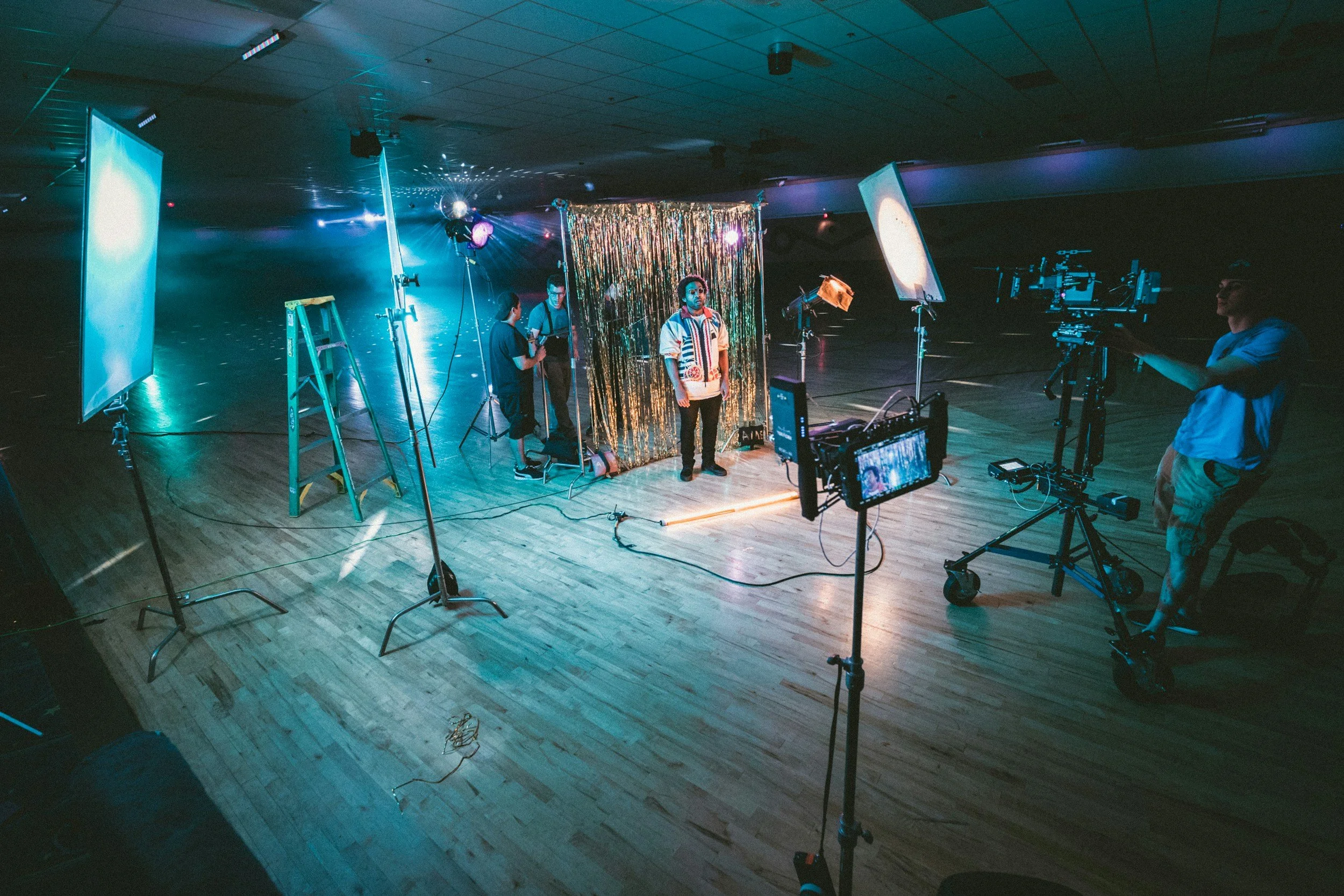
On shoot day, the production crew will establish a Video Village for you to watch. Offering a firm schedule and fast questioning minimizes the crew’s friction and gets them working efficiently. Be there the whole time, from setup to lunch break, which usually lasts 30 to 60 minutes, to confirm your vision.
Navigating Unexpected Hurdles
Let me tell you, planning a video shoot in Oakland or anywhere for that matter isn’t smooth sailing. Even with the finest squad, things can get awry quick. It’s good to be familiar with the common issues and how to address them before they stall your progress or waste your money. The table below provides a good sense of what can go wrong and what to do when it does.
Bad Weather
Contingency plan: Secure indoor backup locations or reschedule quickly if needed
Talent Is Late or Cancels
Contingency plan: Maintain a list of backup talent and allow flexible call times
Location Falls Through
Contingency plan: Scout additional locations in advance and secure permits early
Last-Minute Script Changes
Contingency plan: Use scriptwriting software and lock the script before filming begins
Equipment Failure
Contingency plan: Rent backup equipment, test all gear the day before, and have technical support on-site
Budget Overruns
Contingency plan: Build a contingency fund (10–20%) and review expenses after each project phase
Miscommunication
Contingency plan: Use project management tools and hold brief daily check-ins to keep everyone aligned
Open, straight talk with your video team is crucial. If someone on set has an issue, the earlier you are aware, the quicker you’ll be able to fix it. Tools like Trello or Asana keep tabs on what needs to get done and who does it. Scriptwriting software like Final Draft or Celtx stores story revisions in a central location, so that all parties involved have access to the most recent updates. If the director or client changes their vision in the middle of the project, it’s a lot less messy if you have a locked script and direct communication.
Weather, talent or location changes mean you’ve gotta be able to pivot quickly. That might mean taking a shoot indoors, a backup actor, or a last minute schedule change. A good pre-production plan goes a long way, but things can still shift. Flexibility is not a luxury; it’s a necessity.
Budget surprises show up a lot. Additional equipment, fresh faces, or extended shoot days are more expensive than anticipated. Never forget to add a buffer of 10 to 20 percent of your entire budget for these. If you modify quality, speed, or expense, the others follow. If you desire a speedier shoot, it might be more expensive or sacrifice some quality, so this is something to remember.
A clear schedule and gear checklist before shoot day can save you hours and kilodollars. Fixing things for which you can’t possibly plan, the unexpected challenges, big or small, derails a project.
Beyond the Final Cut
Triumph with a video production company in Oakland extends far beyond the day you view the final cut. What comes after the edit is just as crucial as the effort that preceded it. Many clients, even ones with solid tech or marketing pedigrees, pass up on this opportunity by waiting until their video is complete to begin strategizing how it will be deployed. Without a plan, a video is a one-and-done deal when it can be a tool that serves you again and again. Planning for what happens next early can help the project impact more people and serve your objectives more effectively.
Working it into the marketing and distribution plan is about understanding where your video will live and how people will discover it. Some opt for worldwide sites like YouTube and some might deploy the video at tradeshows, on their corporate website or as quick clips for social media. You can slice a longer video into short Instagram clips or repurpose them in email campaigns. The more you attempt to repurpose the same video for numerous uses, the weaker it can be for each. Defined goals assist here. If you’re trying to build brand trust, show your product, or teach something new, your plan for where you are sharing the video should fit those goals from the outset.
Next is measuring how well your video is doing. Audience engagement, including views, shares, comments, and watch-time, demonstrates whether your message is landing. Tools for tracking these numbers are integrated into most video sites, but you can configure forms or surveys to seek direct feedback from viewers. This allows you to visualize what works and what’s got to change. It’s clever to analyze the data and apply it to the next project.
Viewer feedback is platinum. It informs you what people enjoyed and what they bypassed. A quick poll or a handful of questions to your viewers can influence upcoming videos or even spark ideas for an entire series. If your initial video performs, consider follow-up content or even a series to reinforce your brand’s presence.
Conclusion
Working with an Oakland video production team, you’ll encounter brilliant people, bold concepts and an authentic commitment to craftsmanship. The entire process gets you involved and keeps you informed. You witness the development of ideas from initial discussion to final cut. Oakland’s swag ignites every frame. Rates seem straightforward, not obscure. You do have a voice, and your voice informs the work. Some days, things pop up that require a quick fix. The crew understands how to pivot and keep moving. More than a file, you get true value and local flavor after the last cut. Interested in launching a project or telling your story? Contact and experience what a great team can do for you!

Frequently Asked Questions
What is the typical workflow when working with a video production company in Oakland?
You can expect a step-by-step process: planning, scripting, shooting, editing, and delivery. They will walk you through each step to make sure you get what you want.
How does the local Oakland culture influence video production?
Oakland’s creative vibe and eclectic community tend to fuel distinctive narratives. Local crews appreciate authenticity and collaboration, producing videos that embody the city’s energy.
What factors affect the cost of video production in Oakland?
Rates vary with project duration, size of crew, locations, equipment, and special needs. Clear pricing estimates are typically given after hearing about your objectives and budget.
What is expected from me during the production process?
Your feedback is valuable through every step. Get ready to contribute ideas, provide feedback, and sign off on important stages. Transparent communication keeps you happy with the end result.
How are unexpected challenges handled during a video project?
Seasoned crews foresee problems and provide solutions immediately. Constant communication keeps you in the loop, so course corrections happen with minimum overhead.
Is my involvement needed after the video is delivered?
Your feedback is important even post-delivery. Other companies provide post-production assistance such as edits, guidance on distribution, or planning for future projects.
Can I use my video internationally?
Yes, the majority of production companies produce videos that can be used worldwide. Inform them of your audience and any requirements like subtitles or formats.
Peakbound Studio: Your Oakland Video Production Company
Standing out in today’s digital landscape takes more than just a camera—it takes strategy, storytelling, and a team that understands how to connect your brand with the right audience. At Peakbound Studio, we’re an Oakland-based video production company helping local businesses and nonprofits turn their ideas into powerful visual stories that inspire action.
Whether you’re promoting your brand, launching a product, or building a social media presence, our full-service production team handles everything from concept to final edit. We specialize in high-quality brand videos, testimonials, product demos, and event coverage that reflect your business goals and resonate with your audience.
Every project starts with your story. We work closely with you to define your message, style, and goals, then bring it to life with cinematic visuals and professional editing optimized for web, social, and broadcast. Our Oakland roots keep us connected to the Bay Area business community, giving us a unique edge in creating authentic, locally grounded content that performs.
If you’re ready to strengthen your brand and engage your audience through video, Peakbound Studio is the partner you can trust. Let’s create something that not only looks great—but gets results. Contact us today to start your next project.