How Can Physical Therapists In San Francisco Use Testimonial Videos To Build Patient Trust?
Key Takeaways
You can use video testimonials to create emotional connections and offer tangible evidence of treatment progress. This allows prospective patients to hear and see real recovery stories.
By carefully picking patients and emphasizing genuine, unstaged storytelling, you guarantee that your videos remain inclusive, human, and credible to a wide audience.
While excellence in sound, lighting, and setting is essential as they underscore your professionalism, it’s crucial to remain authentic in order to build real trust with viewers.
By clearly explaining therapy techniques and showing tangible patient progress, videos help take the mystery out of treatment and display your knowledge in a way that fosters patient trust.
Rigorous ethical compliance, such as informed consent and patient privacy, is necessary for credibility and essential to meet legal standards worldwide.
Continuously track audience engagement and patient conversions while gathering feedback, so you can optimize your video strategies and make the most of your marketing.

When you witness firsthand and hear real patients discuss their recovery, you get a much better feel for the therapist’s expertise and how therapy operates. These videos put real faces and real results in front of you, which makes you more comfortable and believe in your decision. You gain a clearer sense of what to anticipate during each visit. For therapists, video testimonials assist in creating a history of authentic achievement and encourage potential patients to initiate treatment. In the following sections, discover how to utilize these videos and what to share to achieve optimal outcomes.
Why Video Testimonials Work
Here’s why video testimonials work so well for you, physical therapists, to build trust with prospective patients in SF and across the country. By allowing authentic patients to share their stories on film, you provide a glimpse of reality that enhances your physical therapy marketing strategies. This leverages strong social proof, as people will trust and prefer your clinic after witnessing others benefit from your care. In an era of increasing online mistrust, real video narratives are memorable, making your marketing efforts feel resonant and credible.
1. Emotional Connection
There’s something about seeing someone watch another individual share their recovery story that intensely creates an emotional connection. By showcasing genuine patient journeys—setbacks, progress, and treatment outcomes—viewers can walk a mile in someone else’s shoes. Authentic smiles, tears, or even sighs of relief are hard to miss on video. These types of statements allow your audience to experience the patient’s hopes and fears as their own, making it a powerful aspect of physical therapy marketing strategies.
This empathy is essential in the healthcare marketing landscape. When potential patients see others who have struggled and conquered, they’re more likely to trust you. Demonstrating tangible transformation in others inspires your audience to envision their own journey toward wholeness, making this emotional connection far more compelling than any written review or marketing campaign.
2. Visual Proof
People trust what they see. When you film treatment or patient progress, it proves your point. Demonstrating real exercises, hands-on work, or even a patient’s increased range of motion provides concrete evidence that your therapy is effective.
Before-and-after clips put results into something real. A warm, well-lit clinic, friendly staff, and clean spaces can be shared to help set expectations. Viewers observe if therapists listen, direct, and empower patients. These moments establish your authority. By capturing these scenes, you facilitate new patients' belief in your process.
3. Relatable Stories
Diverse stories reach people. When you post testimonials from patients of different ages, backgrounds, or challenges, more viewers can relate. Most patients want evidence that your clinic treats people like them.
It’s the tales of injury, chronic pain, or hard rehab battles that bring the experience to life. If you get patients to discuss doubts, small victories, and setbacks, their voice will sound authentic.
It never hurts if each story has a defined beginning, middle, and end. A patient could talk about their struggle, the therapy process, and where they are today. This straightforward trajectory gives optimism and focus. When patients speak for themselves, viewers feel authenticity.
4. Therapist Demystification
A lot of people are uncomfortable with therapy. Presenting therapists in informal environments, maybe shooting the breeze or sketching out a method, eliminates a bit of that intimidation. When patients perceive you as accessible, they will be more likely to contact you.
If therapists talk about their own experience or why they chose this field, it assists viewers in relating. Brief tales about your training, a memorable patient, or your passion for helping people expose your expertise and humanity. When you let your passion show, it makes you more authentic.
5. Unscripted Authenticity
Viewers detect fake moments quickly. Allowing sessions to unfold organically with genuine chuckles or sincere comments engenders confidence. No scripts let patients talk their own talk.
If a patient fumbles for words or chuckles at a reminiscence, leave it in. These moments lend honesty. When videos come across as raw and unscripted, people are inclined to believe their eyes and ears.
Crafting Authentic SF Stories
Trust patients in SF, as they retell true SF stories. Testimonial videos work best when they tap into authentic patient experiences, emphasizing real moments of transformation that reflect the local community and enhance your physical therapy practice. By featuring patients’ journeys, you demonstrate not just the clinical success but also the human stories that fuel your physical therapy marketing strategies. This is the world-building equivalent of writing good SF stories, where authenticity comes through specificity, immersion, and not avoiding real-world issues and concepts.
Patient Selection
Choose patients of different backgrounds, ages, and physical abilities to be as representative as possible.
Focus on those with a desire and ability to tell candid stories on camera.
SELECT people who have TERMINATED LONG-TERM THERAPY who can discuss CONTINUING RESULTS.
Such as patients who encountered special or complicated situations during therapy.
Diversity counts in physical therapy marketing strategies. When your testimonials capture a cross-section of patients—gender, age, background—you present an authentic image of your physical therapy practice’s effect. Patients who are comfortable in front of the camera inject transparency into their stories, fostering a connection with potential clients. Long-term patients provide evidence of permanent transformation, generating deeper trust.
Story Focus
Make each video about a milestone. For example, you could demonstrate a patient’s initial post-surgery steps, when they regain their full range of motion, or how they resume everyday tasks. Emphasize the actual hard-fought pain and recovery, flinches and victories. This type of detail keeps the story real, not made up.
Highlight the emotional and physical development your patient underwent. Did they become confident or independent? Did the therapy get them back to work or a favorite hobby? By segmenting your story into distinct phases, a challenging start, the pivot, and the result, your stories become digestible and personal.
Both real-life and sci-fi storytelling require clarity and structure. Just as an SF writer mixes action, plot, and character development, you can mix clinical specifics with patient feeling to bring each testimonial alive and credible.
Local Context
Sprinkle in some classic SF references, like the Golden Gate or a city park.
Highlight local festivals or health fairs that your clinic attends.
Mention collaborations with nearby gyms, schools, or wellness centers.
Employ neighborhood settings that bond viewers to their experience.
Community connections are strong in SF, especially for physical therapy practices. When you participate in local events or collaborate with local organizations, you solidify your presence and trustworthiness, which are effective physical therapy marketing strategies. Take advantage of actual neighborhood scenes or familiar city locations to provide viewers with a feeling of place and community, grounding your stories in authenticity and allowing your audience to place themselves in every tale.
Production And Credibility
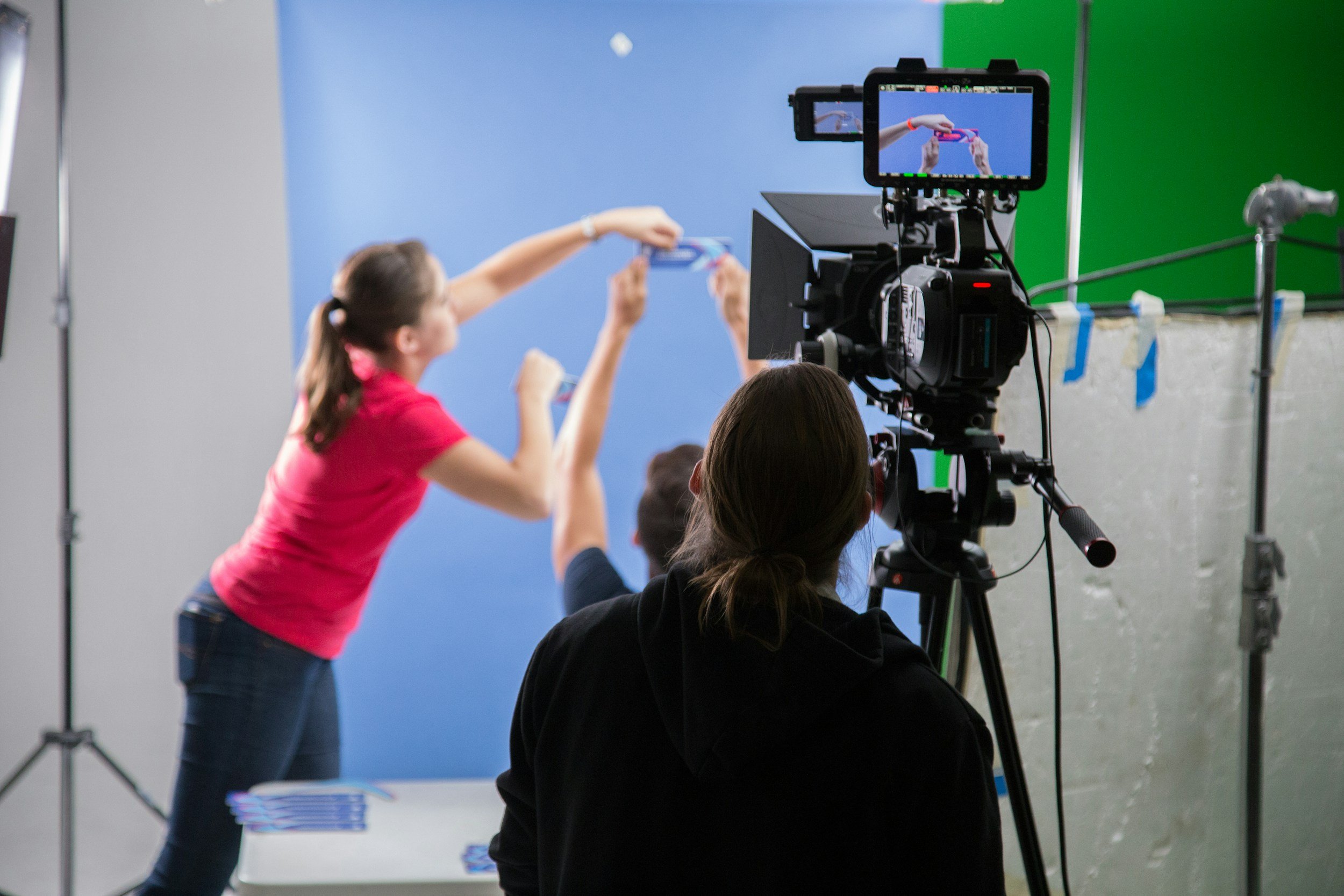
Production is a reflection of your physical therapy practice’s credibility. Your consumer video testimonials can inspire trust if they’re handled with care in every aspect, especially when utilizing effective physical therapy marketing strategies. Steady branding, transparent and compelling real stories, and technical brilliance all count. Research underscores this: 79% of people trust online reviews more than personal recommendations, and 88% are more likely to pick a business that replies to every review. Credibility with online content isn’t just about what you say; it’s equally important how you say it. A consistent tone, style, and technical quality in your videos is at the core of how patients judge your credibility. The following table summarizes core aspects of production quality and their importance.
Visuals
Use sharp focus, steady shots, and clean editing. Strong visuals signal attention to detail and help build trust with your audience.
Sound
Maintain clear audio with minimal background noise. Good sound quality ensures your message is easy to understand and leaves a professional impression.
Lighting
Aim for natural, soft, and well-balanced lighting. Proper lighting sets a welcoming, professional mood that makes viewers more comfortable and engaged.
Branding
Keep your logos, colors, and messaging consistent. This reinforces your clinic’s identity and strengthens brand recognition.
Authenticity
Feature genuine patient stories and natural delivery. Authentic content deepens emotional connection and makes your clinic feel more relatable and trustworthy.
Consistency
Present a uniform style and standard across all your videos. Consistency shows reliability and reinforces your professionalism over time.
Setting
Opt for locations that will put patients and viewers at ease. Neat, well-lit, familiar clinic rooms feel safe and transparent, which is essential for effective physical therapy marketing strategies. Stay away from cluttered or distracting places, as these can divert attention from your story. Some clinics film in warm waiting rooms or take advantage of community parks nearby, particularly if those locations are familiar to your local audience. This connection fosters patient loyalty and trust, ensuring that your physical therapy practice resonates authentically with potential clients.
Sound
Always use good mics to capture crisp dialogue, especially when creating content marketing for your physical therapy practice. A lapel mic or directional mic is suitable for most indoor environments. Test all sound levels before you begin to avoid technical glitches during your marketing campaign. Even a compelling story doesn’t matter if the audio is muffled or echoey. Ensure windows are shut, and noisy equipment is turned off while you’re filming. If you lay music over it, keep it soft to underpin emotion, not distract. Clean, honest audio makes your point shine, enhancing patient engagement through effective marketing strategies.
Lighting
Natural light is ideal if you can catch some, as it enhances the overall ambiance of your physical therapy practice. Window sunlight adds a healthy, warm glow to faces and makes your video inviting and open. If you require lighting, ensure that it’s soft, diffused sources to avoid harsh shadows or glare on people’s faces or walls. Position lights to illuminate the patient and therapist clearly through any interaction, showcasing gestures and expressions effectively. Great lighting captivates your audience and highlights your dedication to high production, which is critical for effective marketing strategies in the healthcare sector.
The Trust-Building Blueprint
Trust building with your patients is not about brash proclamations or glitzy commercials; it involves authentic narratives that demonstrate empathy, respect, and comradeship. Your trust-building blueprint for physical therapy practices employs video testimonials effectively, allowing patients to visualize authentic results, comprehend the therapy journey, and form a personal connection with you. Each story is totally voluntary, with consent, ethical — no coercion, no exploitation, always love. Here is a practical guide for building trust through physical therapy marketing strategies.
Gather genuine testimonials from patients who are willing and have signed releases.
Map out the therapy journey with simple drawings. Eschew technical terms and value patient confidentiality.
Demonstrate tangible advancement with concrete benchmarks. Employ varied voices and perspectives for a more comprehensive representation.
Show your own style, warmth, and care in the videos to make an emotional connection.
Collaborate with a team that specializes in compliant video production for peace of mind about quality and regulatory safety.
Always center your attention on honest narratives. Don't overstate outcomes. Don't make empty commitments.
Ensure that every patient showcased is willing and that having their story told contributes to warmth and transparency.
Problem
Patients often enter therapy feeling trapped and overwhelmed with pain, uncertain if their physical therapy practice will be beneficial. Truthful testimonials capture these feelings, resonating with others facing similar challenges. For instance, one person remembered the anxiety of not being able to walk to the market or play with their child. Statements by actual patients about their doubts and fears highlight the importance of effective marketing strategies in the physical therapy profession.
Personal stories emphasize the immediacy of the help-seeking process. Testimonial videos showing how pain limits daily life, such as missing work or skipping events, build a bridge between past struggles and the promise that therapy can provide. Connecting these struggles to tangible physical boundaries, like not being able to carry grocery bags or climb stairs, makes the issue resonate more deeply with potential patients.
When patients witness others articulate both emotional and physical obstacles, they find it easier to acknowledge their own. This feeling of community fosters patient loyalty and tears down the barriers of skepticism and loneliness, ultimately enhancing patient engagement in their rehabilitation journey.
Process
The therapy process can appear complex or even intimidating to a new patient. Utilizing physical therapy marketing strategies, such as videos that walk viewers through each step—initial assessment, goal-setting, hands-on treatments, and guided exercises—can simplify the experience. Simple diagrams or side-by-side visuals can effectively illustrate how a stretch or movement is performed, making the process less mysterious.
Collaboration between patients and therapists is essential, and showcasing this partnership is key in physical therapist practices. When potential patients observe a patient and therapist discussing progress and setbacks, they realize that care is not unidirectional. This partnership provides a roadmap, ensuring that each stage is clearly understood.
Understanding what to expect, how sessions begin, what occurs during, and how long recovery may take makes the process less intimidating. By implementing effective marketing ideas, viewers gain a sense of predictability and safety, enhancing their overall patient experience.
Progress
Progress videos — before and after clips or patient-led updates — make recovery tangible and achievable. For instance, a patient might share how they transformed from restricted mobility to two-kilometer walks, or from pain aversion to rediscovering a passion for jogging.
Testimonials should emphasize not just the big victories but the small ones. The first pain-free morning or finally reaching for a high shelf can be discussed by patients. They can share how these moments felt, inspiring others on their own path.
It’s never a straight line to recovery. Opening up with genuine thoughts on our crashes and sluggish days fosters trust. It demonstrates that it can be done, sometimes with a few hiccups.
Personality
Therapists need to reveal themselves. A warm welcome, soft humor, or an anecdote about how they found this profession can go a long way. By revealing your own face and voice, patients experience you as more than a designation. They experience you as a human.
Building rapport is built from little things. A therapist who recalls a patient’s favorite hobby or pays careful attention builds trust gradually. Videos need to catch these moments.
Humor and warmth go a long way. A smile or a light comment can take the clinical edge off a room and make it more human. When you share what motivates you—perhaps assisting individuals in rediscovering freedom or witnessing someone accomplish their goal—you captivate your audience. Your story counts.
Ethical And Legal Guardrails
Constructing patient trust in testimonial videos involves navigating a tightrope between physical therapy marketing strategies and the noblest ethical standards. You need to respect your patients’ rights and privacy while maintaining a transparent approach in your physical therapy practice. For PTs in San Francisco—and anywhere, really—the regulations and deontology behind patient narratives aren’t optional. They’re central to your obligation as a caregiver. At its heart, consent for feedback is grounded in not exploiting, respecting patient agency, and prioritizing privacy. Falling short can bring severe consequences not only to your reputation but to your bottom line as well.
Informed Consent
Patients need to understand the importance of documenting their stories as part of effective physical therapy marketing strategies. Describe your intent, whether to motivate, aid decision-making, or demonstrate authentic results. Don’t skip this talk; be concrete about what you’ll capture and how you’ll apply it in your physical therapy practice. Each patient ought to receive a written consent form outlining what information is shared, where it will be published, the duration of the consent, and the ability to withdraw at any time. This is more than bureaucracy; it’s about respecting your patient’s autonomy and staying transparent. Please ensure the form is easy to read and free from legalese.
Patients could be under duress to agree, particularly in a care context. Be open about the fact that it is optional. Inform them that they can leave at any time, including after shooting has commenced. Explore potential hazards, including unintentional disclosure, and the advantages, for example, supporting others in your position. If a patient hesitates or questions, be sure to answer their concerns.
Patient Privacy
Patient privacy is paramount in the physical therapy practice, always. Never reveal names, images, or any identifiable information without your patient’s explicit, written permission. If you want to discuss a case in the open, use a pseudonym or initials and don’t share distinctive details that could identify the individual. This fosters trust and keeps you in compliance with the HIPAA Privacy Rule. HIPAA allows patients to control how their health information is used and shared, so ensure that all personnel are aware of the protocols regarding patient care.
Train your employees on privacy as part of your marketing strategies. Missteps can result in stiff fines of up to $50,000 for each violation and $1.5 million annually. Provide ongoing confidentiality training to ensure proper handling of patient data in testimonials. Please review your video content prior to publishing to ensure compliance.
Honest Representation
Make your testimonials authentic. You edit videos to make results look better than they are. No dramatic lighting, selective cuts, or scripts that embellish the truth. Let your patients share both their triumphs and the challenges of their path to recovery. By displaying candid stories, you construct genuine believability and faith in your clinic. Be sure what you post is consistent with what occurs in your clinic.
Be ethical and legally guardrail. I won’t use testimonials that are misleading or overselling. Promote a complete image, not only the achievements. If a trial or stumble is in the narrative, let your sitter discuss that transparently.
Measuring Your Impact
When you implement effective physical therapy marketing strategies like testimonial videos, it's crucial to assess if your efforts yield positive results. Measuring your impact involves tracking specific metrics that encourage patient engagement with your care. It's essential to identify whether your videos influence potential patients' behavior or perceptions of your physical therapy clinic. Utilizing a set of key metrics — engagement, conversion, patient feedback, and analytics — enables you to compare treatment outcomes, identify trends, and make informed decisions. Given that much of the evidence is observational, employing various methods to capture the complete story is vital. Additionally, social media serves as a powerful tool for storytelling and shaping health policy, helping you build genuine trust over time.
Engagement Metrics
Start by measuring basic engagement numbers. Measure your impact by looking at how many people watch, like, or share your videos. These figures highlight how far and fast your videos disseminate. See comments as well. Comments can inform you if viewers are touched, puzzled, or motivated. Parsing these reactions allows you to identify what works and what needs work.
Average watch time shows whether viewers stick around for the entire story. If they bounce quickly, perhaps your message is lengthy or unclear. Try A/B testing. Test two groups with different video styles or lengths. See which one receives the most views and shares. This allows you to adjust your videos to be more effective.
Views
This metric reflects how many people your video is reaching and how popular it is. Higher view counts increase your overall reach and help build trust with your audience.
Likes and Shares
Likes indicate social approval, while shares show that viewers find the content valuable enough to pass along. Together, they greatly expand your exposure.
Comments
Comments reveal viewer sentiment and provide direct feedback. Paying attention to them helps you refine and improve your content.
Average Watch Time
This shows how long viewers stay engaged with your video. Higher watch time signals strong content retention and better overall engagement.
A/B Testing Results
Testing different formats or styles helps identify what your audience prefers. These insights allow you to fine-tune your strategy for better performance.
Conversion Tracking
Measure your effect on the world: track how many people contact you after seeing your video. Add tracking codes to any links on your website or appointment forms to determine if new patient inquiries are coming from your video. When a new testimonial goes live, see if your bookings increase. This demonstrates whether your video helps you acquire patients.
Include an obvious call-to-action at the end of your videos. For instance, encourage viewers to call, book online, or visit your clinic’s location. These prompts push viewers to act. Look at appointment rates before and after your video releases. If you notice a jump, it means your video is working. See if there is a correlation between increased views and new patients signing up for your clinic.
Patient Feedback
Conduct simple surveys to inquire about patients’ feedback on your testimonial videos. Concentrate on what they enjoy, what they don’t, and what they desire to see next. Have patients score their experience with your care and your content. Score feedback so you can segment patients into promoters, passives, and detractors. Promoters will recommend you, while detractors won’t.
Solicit candid feedback at all phases. Use patient quotes from surveys in your upcoming videos or posts. Emphasize positive feedback to demonstrate the tangible value you deliver. This humanizes your videos and establishes greater trust. Use the feedback to continue honing your videos and your message so you serve your patients’ needs.
Conclusion
You make your patients feel seen and heard, and authentic stories can express that. Video testimonials in San Francisco put candid voices in the center of your work. Folks see their neighbors telling real truths about attention, not simply results. Each brief snippet displays the human side of your clinic — warmth, skill, and care. Video puts a face on trust. You created a new paradigm with transparent narratives and sincere testimonials. Trust builds with every real individual who stands on your behalf in front of the camera. Begin with a single narrative. Let people see your team. Demonstrate to the city who you help and how. If you want trust that sticks, ask your next satisfied patient to put their words on video.

Frequently Asked Questions
1. How Do Testimonial Videos Help You Build Trust With Patients?
Testimonial videos allow your patients to share real experiences, enhancing patient engagement. Watching and listening to their stories builds trust, making prospective patients more comfortable selecting your physical therapy services.
2. What Makes A Testimonial Video Authentic For Your San Francisco Practice?
Their authenticity comes from real patient stories, which can enhance your physical therapy marketing strategies. Utilize candid interviews and honest responses to emphasize one-of-a-kind moments specific to your local audience.
3. How Can You Produce High-Quality Testimonial Videos Without A Big Budget?
Utilize natural light and a silent setting to enhance your physical therapy marketing strategies. Shoot on your smartphone or any standard camera, prioritizing crisp sound and authentic narratives for effective marketing.
4. What Legal Steps Must You Take Before Sharing Patient Testimonials?
Obtain written permission from your patients for using their videos in your physical therapy marketing strategies. Respect privacy laws and patient confidentiality.
5. How Do You Measure The Impact Of Testimonial Videos On Your Practice?
Monitor website and social media marketing statistics, along with new patient contacts, to enhance your physical therapy marketing strategies and watch your trust and reputation grow.
6. Can Testimonial Videos Help With Search Engine Rankings?
Yes. Videos hold visitors on your site longer and increase engagement, which are effective marketing strategies that can boost your physical therapy practice's search rankings and make it more discoverable online.
7. How Often Should You Update Your Testimonial Videos?
Update your physical therapy marketing strategies by refreshing your videos at least once a year.
Video Marketing For Physical Therapists That Helps Patients Choose You
Patients don’t just want treatment; they want to feel confident before they ever book an appointment. The right video does exactly that. At Peakbound Studio, we help physical therapists create video marketing that builds trust, explains care clearly, and motivates patients to take the next step.
Imagine a new patient watching a short brand video and instantly understanding your philosophy, your energy, and how you treat people. Picture testimonial videos where real patients share their progress and relief in their own words. Educational explainer videos can break down common conditions, recovery timelines, and treatment options so patients feel informed instead of overwhelmed. Social media videos keep your clinic visible and familiar, even when someone isn’t injured yet.
We don’t just film good-looking videos. Every piece is planned with intent. We handle strategy, scripting, filming, editing, and optimization so each video fits how physical therapy patients actually search, scroll, and decide. The result is content that feels natural, professional, and genuinely helpful.
When your videos answer questions, reduce uncertainty, and show the human side of your practice, patients respond. Let Peakbound Studio help you turn video marketing into one of your strongest growth tools. Reach out today, and let’s plan something that gets noticed and gets results.