How Can Physical Therapy Clinics In Oakland Highlight Their Services Through Video?
Key Takeaways
Utilizing video enables your clinic to showcase treatment methods, patient testimonials, and expertise in a visual manner, bringing your services closer to people worldwide.
Designing a mission-driven video plan can make sure that your content serves both your clinic’s objectives and the specialized audiences of your varied patients.
Highlighting actual patient experiences, therapist profiles, and virtual tours of your clinic cultivates trust and shows you value transparency and inclusivity.
Showcasing telehealth and in-home session options positions your clinic as flexible, providing accessible care options that can meet patients' diverse needs and locations.
Focusing on production values, such as crisp sound, natural lighting, and stable images, makes your videos believable and useful, no matter how much you spend on equipment.
By engaging your local community via video, with an emphasis on diversity and collaboration, you’ll not only reinforce your clinic’s standing but also build long-term patient loyalty.
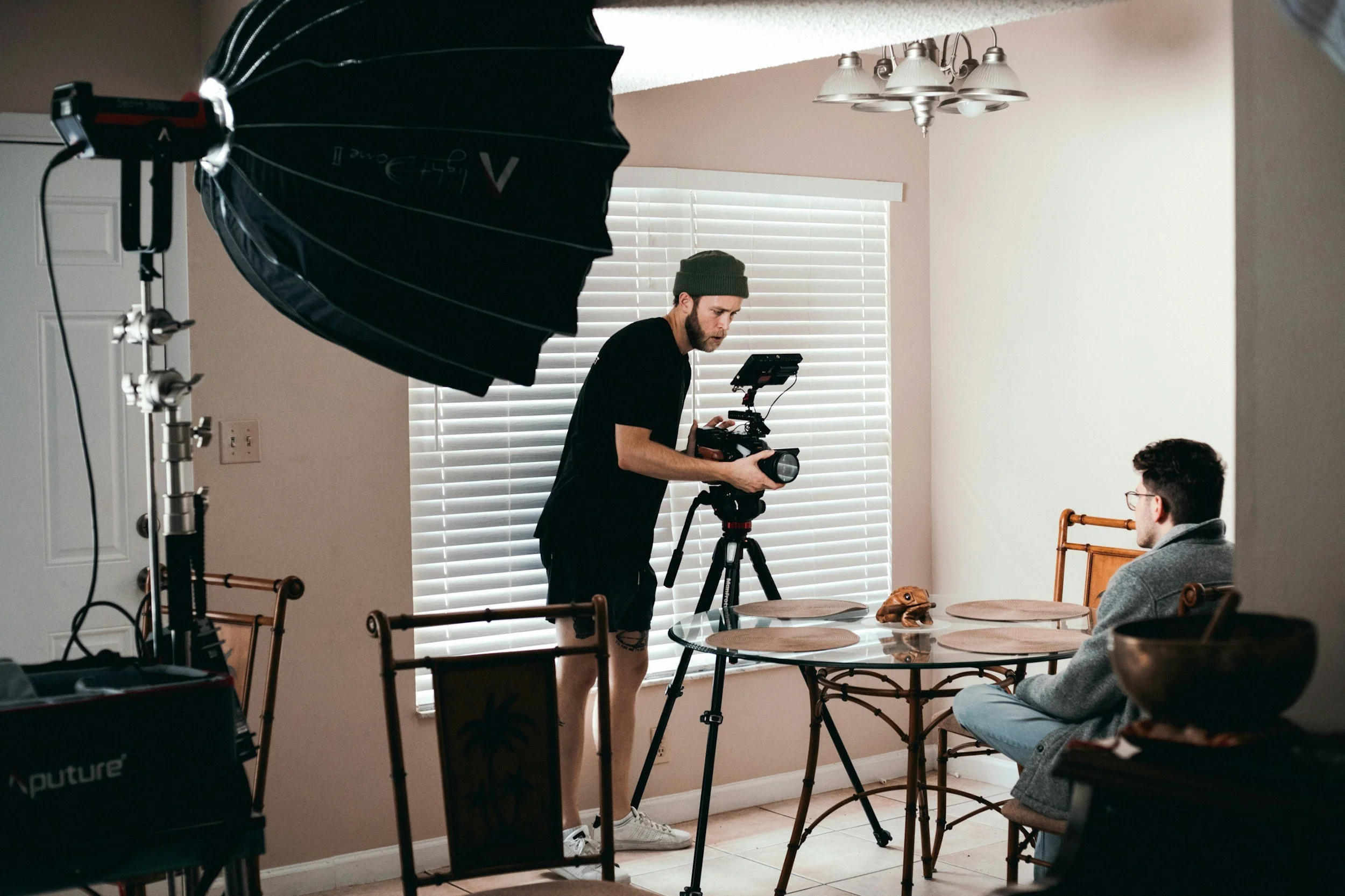
How can physical therapy clinics in Oakland highlight their services through video? With quick clips, you show what you do — hands-on care, mobility tips, and cutting-edge tools. When you show your space and staff in motion, people know what to expect before they step in. You can do videos answering FAQs, explaining treatments, and demonstrating results with before and after progress. Captions or translations help reach more viewers. Videos allow you to build trust and differentiate your Oakland physical therapy clinic. There, you discover how to leverage video so your clinic shines and new patients recognize your craft.
Why Video For Your Clinic?
Video provides you with an unobstructed means to illustrate what you do in the clinic. Video is powerful because it allows you to SHOW your care, not just TELL about it. When you demonstrate your physical therapy services and your space, you make people trust you. For an interviewer who has never been to your clinic, viewing how you arrange your rooms, how clean you keep things, and how approachable you appear can ease anxiety. Let a quick video tour of your clinic answer all those silent questions and help new patients envision themselves there. It’s a nice way to demonstrate that your clinic is well-run and cares about the little things, all things people look for when selecting a healthcare provider.
If you want to differentiate yourself, a video that demonstrates your treatment plans for patients makes your work tangible to viewers. A video that orients to common treatments, such as manual therapy techniques or home exercise programs, helps people understand what to expect. This transparent perspective on your techniques can dismantle anxieties and demystify the experience. Demonstrating real results is essential. When a patient walks you through their experience, detailing the moment they walked in, the care treatments they received, and how they felt better, it’s worth a thousand words. These stories humanize your clinic and your care. They demonstrate you don’t just treat symptoms; you get people back to what they love.
Video helps you reach people before they come through the door. When you present your staff on screen, you put a face to a name. It creates a bridge prior to that first virtual therapy appointment that makes patients feel comfortable and more at ease. Videos make great teaching tools. Maybe you want to share tips for injury prevention techniques, what signs to watch for, or what a first visit looks like. These teachable moments prove you’re an expert who’d like to help, not just sell. If you post these videos on social media, you do more than educate. You reach more people, and your care is seen by friends of friends. Shareable videos go quickly, and your clinic’s name expands in the community.
Producing a series of videos on a single subject, say, how to care for your back, can position you as the expert. They will return to your site or channel for more tips. It is good for them, and it is good for your clinic to stay top of mind. Video works great for aftercare as well. An easy video demonstration of how to stretch or deal with a hot spot at home makes people more likely to comply with your recommendations and heal more effectively. They can watch and learn on their own timeline, which means they are more likely to do what you recommend.
Crafting Your Video Strategy
To showcase your physical therapy services, begin by defining objectives for each video. Understanding your objective, whether it’s to educate, motivate, or attract new patients, will guide the video's direction and mood. Identifying your audience allows you to communicate directly with those who need your rehabilitation guidance the most. Utilize a content calendar to schedule releases; this strategy is key to maintaining engagement momentum. Analytics enable you to track results, helping you identify effective strategies and make necessary adjustments. Remember, visuals are crucial. Tweets with images receive 150% more retweets, for instance. The right hashtags will increase visibility for your videos, while consistent posting builds trust and keeps you top of mind.
1. Patient Journeys
Let’s show real patient stories from beginning to end. Start with evaluation, continue with intervention, and finish with recuperation. It demonstrates your care in action and makes your service tangible for viewers.
Testimonials are a big trust builder. Knowing others like themselves are improving makes your clinic more accessible. Feature a range of patient stories — young athletes, older adults, individuals from various cultures. It says that all are welcome and all are cared for.
Patient stories can ignite inquiries. Ask your viewers to comment or contact you, which may generate new patient inquiries and good community relationships.
2. Technique Spotlights
Demonstrate manual therapy or trending exercises one step at a time. Write simply and visually show each technique.
For each cure, tell us why it works. For instance, demonstrate how a specific stretch helps knee recovery. Close your videos with a viewer question call. This initiates conversation, keeps content conversational, and sets your authority apart.
Technique spotlights aren’t just educational. They demonstrate that you’re industry savvy and passionate about education.
3. Therapist Profiles
Humanize your physical therapists by discussing their certifications, clinical experience, and areas of interest. This approach instills trust and credibility in the physical therapy care provided. Adding a story about why each therapist chose this path—perhaps one overcame an injury themselves, or another is passionate about assisting athletes—can enhance patient relationships.
Feature their favorite treatment techniques or specialties, showcasing the variety of physical therapy services available. This not only highlights their expertise but also reassures physical therapy patients about the personalized treatment plans they will receive. Profiles humanize your team, making patients feel at ease from their first virtual therapy appointment.
By sharing these insights, you create a welcoming environment that encourages open communication and fosters strong therapist-patient relationships. This is especially important in a virtual healthcare setting, where trust plays a crucial role in successful rehabilitation outcomes.
4. Virtual Clinic Tours
Give a behind-the-scenes peek into your clinic. Show off your equipment, treatment rooms, and common spaces so people know what to expect.
Show off accessibility, such as ramps or wide doors, to embrace patients of all abilities. Put the focus on that warm, welcoming atmosphere and immaculate rooms. This can calm nerves and help new patients feel secure prior to even showing up.
Virtual tours help distinguish your clinic and are very shareable online.
5. Educational Workshops
Hold workshops on common injuries or health issues. Record sessions for subsequent posting on your website or social media.
Bring in local experts as guest speakers. Add Q&As for engagement. Hashtag it. Make it easy for people to discover and share your videos.
They establish you as a thought leader in health education and draw a wide and varied following.
Showcasing Modern Care Options
Leading physical therapy in Oakland goes beyond traditional clinics, offering innovative physical therapy options like telehealth and in-home sessions that fit seamlessly into your life. Discover how virtual therapy can enhance your treatment plans, as video showcases the powerful benefits of these modern care models. This approach allows patients to witness every step of their personalized care, highlighting the magic that emerges when these services are combined.
Telehealth Demystified
A lot of people assume telehealth is less personal or less effective than in-person visits. In reality, virtual therapy is led by licensed physical therapists who utilize video calls to observe your movements, provide instant feedback, and modify plans accordingly. It’s not the quality of care that’s changing; it’s the way you connect.
To make it easier for you to start with virtual visits, here is a step-by-step guide:
Check device readiness: Make sure your phone, tablet, or laptop has a camera and a microphone.
Book your session: Use the clinic’s online booking tool or call to set an appointment.
Download and install the app: The clinic will tell you which secure app to use for video calls.
Test the connection: Log in before your appointment to check audio and video.
Join the session: Click on the link sent by your therapist and start your session.
Follow the therapist’s cues: Move the camera if told so the therapist can see you clearly.
Ask questions: Don’t hesitate to ask about any movements or exercises.
Telehealth delivers care to those who live far from clinics, have time constraints, or are physically unable to leave their homes. You get quicker access to specialist care, reduced travel anxiety, and the same advice you’d receive face-to-face. The appropriate video configuration allows you to see and hear your therapist clearly and allows him or her to monitor your progress in real time.
Location
Traditional care takes place in an on-site clinic, requiring patients to travel for each appointment. Telehealth care, on the other hand, can be accessed from home or anywhere that feels comfortable and private.
Direct Supervision
In traditional settings, clinicians provide direct, in-person supervision. Telehealth also allows for real-time supervision through video, ensuring patients still receive guided support.
Equipment
Traditional care offers access to full gym equipment and specialized tools. Telehealth sessions typically rely on simple household objects, making exercises accessible even without professional equipment.
Privacy
Traditional care provides a private treatment room within the clinic. Telehealth offers a private online environment, giving patients control over their space and comfort.
Convenience
Traditional care requires travel time and scheduling around clinic availability. Telehealth eliminates travel entirely and offers greater flexibility for busy or remote patients.
Integration
Traditional care can be delivered entirely in person or as part of a hybrid approach. Telehealth fits into hybrid care models as well but can also be delivered fully virtually.
Telehealth can stand on its own or complement in-office visits. Some begin virtually, then transition to the clinic for hands-on work. Others utilize telehealth for follow-up to maintain forward momentum in between visits.
You see actual transformation in patient stories, like a student who snapped a bone and maintained rehab from home, or a remote worker who could squeeze therapy into their lunch hour. When told in video, these stories demonstrate actual outcomes and build confidence.
In-Home Session Previews
Make sure you have a quiet, open space.
Wear comfy clothes that let you move.
Keep water and a towel close.
Have a sturdy chair, mat, or small weights available if you require.
Shut the noise off and tell the family you require focus.
Position your device so your therapist can see you.
You may perform basic stretches, balance exercises, or utilize bands and household objects as equipment. For instance, if you have steps, your therapist could direct you on safe techniques for going up and down. For pain, seated exercises or gentle range-of-motion work are typical.
From baby to teen, personal care plans shift to suit your home. The therapist could choose exercises that require less equipment or identify secure methods to utilize what you already have, with a few patients even receiving specific exercises to help with daily home tasks such as lifting, reaching, or walking in confined spaces.
Home therapy makes you more comfortable. You work in your private room, on your own schedule, and receive individualized attention. It’s care that meets you where you are.
Build Trust Through Transparency
You understand that trust is the foundation of a clinic’s relationship with its patients. Trust in physical therapy care isn’t just cultivated by clinical outcomes but by transparent communication about your practice, team, and protocols. Video is a way to help you close the inherent distance between clinics and patients. It allows you to demonstrate your approach, show your concern, and provide patients with a feeling of control and security when pursuing treatment plans.
Patients want to know what to expect before that first visit. They frequently Google clinics, seeking reassurance from others’ experiences and transparent details about physical therapy services. Your videos should focus on this transparency. Feature your real patients — with their permission — sharing about their healing. Use video to pull back the curtain on your clinic, your equipment, and your team. For extra transparency, display patient reviews and success rates in a comparable format. This can be done with a simple markdown table, which might look like this: This approach allows your audience to witness authentic results, making your assertions more believable.
Sarah L.
Sarah was treated for a knee injury and saw an 85% improvement over the course of 10 weeks. She shared that she “felt heard and supported,” reflecting a positive and encouraging care experience.
Omar R.
Omar received treatment for lower back pain and experienced a 70% improvement in 8 weeks. His feedback highlighted the clarity of his goals and the steady progress he made throughout his sessions.
Priya T.
Priya was treated for shoulder impingement and achieved a 95% improvement over 12 weeks. She described the care as “open, honest, effective,” emphasizing the strong communication and meaningful results she experienced.
On the internet, patients fret about safety. Let video tours reveal your protocols. Walk your audience through your sanitizing process, emphasize your single-use equipment, and explain how you keep the clinic clean. It’s not just for compliance; it’s about providing peace of mind to patients. Share details about your staff: degrees, years of hands-on practice, ongoing training, and special skills. When patients observe your therapists breaking down their injury, going over exercise plans, or discussing new research, they witness a team that is competent and up-to-date in their rehabilitation guidance.
On the internet, patients fret about safety. Let video tours reveal your protocols. Walk your audience through your sanitizing process, emphasize your single-use equipment, and explain how you keep the clinic clean. It’s not just for compliance; it’s about providing peace of mind to patients. Share details about your staff: degrees, years of hands-on practice, ongoing training, and special skills. When patients observe your therapists breaking down their injury, going over exercise plans, or discussing new research, they witness a team that is competent and up-to-date.
By being transparent with your approach, results, and even errors, you empower patients to feel a sense of control, which generates increased well-being and deeper connections. This level of engagement not only enhances patient outcomes but also fosters a supportive community around your physical therapy practice.
Reflecting The Oakland Community
Up to you to make your videos resonate with Oakland because that’s what will make your clinic stand out. Oakland has always been a crossroads of cultures – African American, Asian, Latino – all here. When you emphasize your community efforts, you establish trust. Demonstrate how you partner with local organizations and support relevant causes, such as hosting health fairs at local parks or providing complimentary injury screenings at youth sporting events. Partner with groups that advocate for racial equity, empower Oakland’s creatives, or feed food-insecure families. Make quick videos with footage from these partnerships—perhaps your team volunteering at a festival or collaborating with a local artist to incorporate a mural in your waiting room. When your audience sees you aligned with established groups, they know you’re not in this just for the business, but for the city as well.
Oakland isn’t just diverse — it’s a mosaic of narratives and people. Demonstrate that in your videos by showcasing physical therapy patients and staff of all backgrounds. Let people see themselves in your clinic — Asian elders getting balance work, Latino youth learning injury prevention techniques for soccer, or African American parents coming in for postnatal care. Put subtitles or voiceovers in a second language, such as Spanish or Cantonese, to reach more folks. Include actual narratives—perhaps a young Black painter recounting recovering from a wrist injury to resume painting, or a nearby chef discussing how physical therapy addressed his back pain after extended stints in the kitchen. These examples make viewers feel represented, regardless of their origin.
There’s nothing like Oakland in the midst of its events—Pride parades, art walks, soccer matches. Video your support for these. Sponsor a booth at the Oakland Art Murmur and film your staff doing complimentary posture checks. Become the Oakland community reflected in a Roots match and shoot fans’ workouts during halftime. Hold a workshop at Lake Merritt, instructing stretches to hikers. Capture scenes, sounds, and faces at these gatherings. When your clinic is in the mix, you demonstrate a commitment to health and to what makes Oakland special—its art, sports, and local food. You can even discuss the effects of gentrification in your videos, demonstrating that your clinic remains dedicated to maintaining access to physical therapy care for all at affordable rates.
Authentic voices mean everything. Post brief clips of local folks telling how your clinic assisted them. Fruitvale teacher, Uptown artist, West Oakland retiree – let them speak for themselves. These sincere personal tales bring your clinic to life and are cute and tangible. You can solicit community feedback on what they want to see next, demonstrating that you listen and evolve.
Essential Production Insights
Physical therapy clinics can leverage video to extend their reach and demonstrate their practice explicitly. With the rise of virtual healthcare, digital transformation has significantly impacted healthcare, allowing practices to utilize video resources to develop trust and serve their community effectively. Research shows that the quality of patient care and how connected we are to others are more crucial to health than medical care itself. By incorporating physical therapy content in such videos, clinics can communicate their values, educate their audience, and foster community connections that enhance health.
Simple Equipment
Use smartphones or low-cost digital cameras to start
Secure it to a reliable tripod for stable footage.
Frame your subject in the middle and keep backgrounds clean.
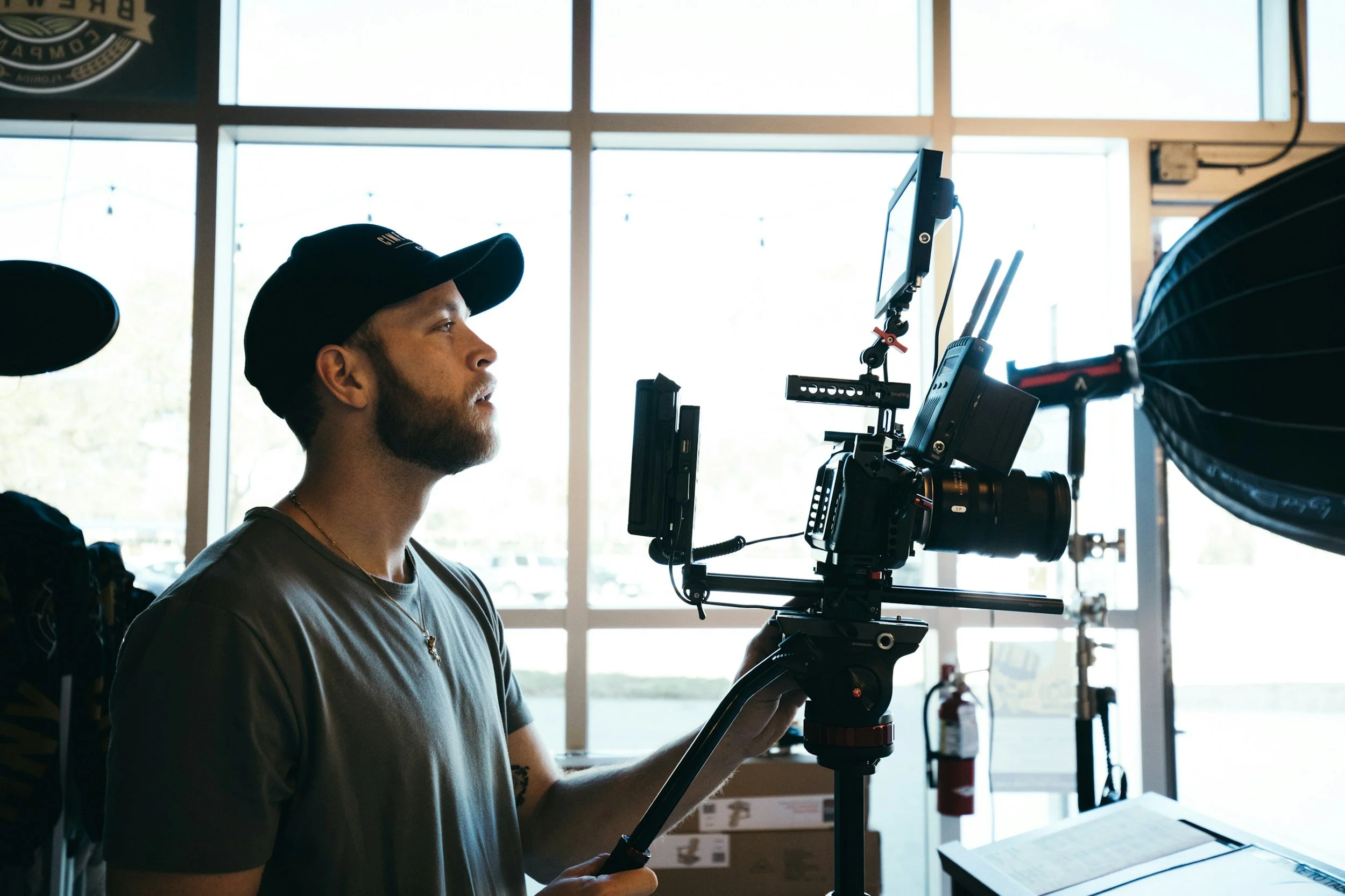
Smartphones can shoot crisp video now, making them an excellent tool for physical therapy content creation. You don’t need super equipment either; basic cameras will do if you think your shots out. Stable shots keep viewers locked in on what you’re trying to show, like a physical therapist demonstrating a stretch or a patient talking about their progress. Go for close-ups to highlight detail or wide shots to capture more of your environment. Try short interview clips, guided exercises, or day-in-the-life stories; see what clicks for your team and your audience. Keep the setup simple initially, then customize based on feedback.
Clear Audio
Quality audio goes a long way toward how your message is delivered. If your audience can’t hear you, they won’t stick around. Clip-ons or even budget external mics can increase voice clarity significantly. Don’t record by a busy road or in an echoey room. If you need to shoot outside, pick quiet times. Always listen to a quick test before you dive into recording in earnest. Troubleshooting early is time-saving and keeps your video looking professional.
Check your audio every time. Sometimes a slight shift in mic placement or a pillow behind the camera can reduce reverberation. Add subtitles if you are able, so everyone can engage, even those who are hearing impaired or don’t speak your language.
Authentic Lighting
Window light adds warmth and sincerity to the video. Folks believe what seems authentic, and harsh lights can make your clinic appear sterile or contrived. If shooting by a window, have the light in front of your model, not behind them. Soft lamps or ring lights can be a lifesaver on cloudy days. Keep in mind that when filming video with your camera, try to avoid spotlight effects that create sharp shadows or washed-out faces. Experiment with a couple of different setups, as morning light usually works best.
Aim lamps to reduce glare and soften the scene. Flip off unflattering overhead lights that create shadows. Hang light curtains to diffuse the sunlight. Every clinic space is different, so see how light bounces in your rooms and tweak as necessary.
Conclusion
You know what makes strong clinics stand out. You provide them with a transparent window to compassion, expertise, and human kindness. Video allows you to showcase the actual work, the space, the people, and the outcomes. Your equipment, your staff, and those little victories every day are what resonate with patients. In Oakland, people want trust and evidence. Brief glimpses of actual sessions or fast tours communicate more than extensive catalogs. You work with real bodies, real needs, and real hope. Demonstrate that. Keep your look and voice authentic to your staff and your patients. Let the community witness your tale. Want assistance to get started or deeper tips? Contact us and let’s construct your clinic’s narrative.
Frequently Asked Questions
1. How Can Video Help Your Oakland Physical Therapy Clinic Stand Out?
Video lets you showcase your clinic’s unique physical therapy services and state-of-the-art care, establishing credibility with potential patients and enhancing your virtual healthcare presence.
2. What Types Of Services Should You Highlight In Your Clinic Videos?
Showcase your unique physical therapy services, state-of-the-art devices, and professional staff, highlighting how these facilitate recovery and improve patient outcomes.
3. How Can You Build Trust With Patients Through Video?
Show real staff, real testimonials, and real processes in your physical therapy setting. This establishes trust and enhances patient care.
4. Why Is It Important To Reflect The Oakland Community In Your Videos?
Emphasizing local diversity and community involvement in physical therapy services demonstrates you care about and understand your patients' backgrounds and needs.
5. What Should You Consider When Planning Your Clinic’s Video Strategy?
Design crisp messages and expert footage for your physical therapy content, using accessible language to highlight your clinic's unique offerings and patient care.
6. How Can You Ensure Your Clinic’s Video Meets Accessibility Standards?
Incorporate captions and maintain a crisp audio experience in your virtual therapy content, ensuring accessibility for all, including people with disabilities.
7. What Are Some Essential Production Tips For Effective Clinic Videos?
Utilize natural light, stable camera work, and tight scripts in your physical therapy content. Keeping videos brief and concentrated can enhance patient outcomes and increase interest.
Video Marketing For Physical Therapists That Helps Patients Choose You
Patients don’t just want treatment; they want to feel confident before they ever book an appointment. The right video does exactly that. At Peakbound Studio, we help physical therapists create video marketing that builds trust, explains care clearly, and motivates patients to take the next step.
Imagine a new patient watching a short brand video and instantly understanding your philosophy, your energy, and how you treat people. Picture testimonial videos where real patients share their progress and relief in their own words. Educational explainer videos can break down common conditions, recovery timelines, and treatment options so patients feel informed instead of overwhelmed. Social media videos keep your clinic visible and familiar, even when someone isn’t injured yet.
We don’t just film good-looking videos. Every piece is planned with intent. We handle strategy, scripting, filming, editing, and optimization so each video fits how physical therapy patients actually search, scroll, and decide. The result is content that feels natural, professional, and genuinely helpful.
When your videos answer questions, reduce uncertainty, and show the human side of your practice, patients respond. Let Peakbound Studio help you turn video marketing into one of your strongest growth tools. Reach out today, and let’s plan something that gets noticed and gets results.