What Video Content Works Best For Berkeley Physical Therapists Specializing In Sports Rehab?
Key Takeaways
Level up patient education by producing clear, visually compelling videos that demonstrate rehab exercises, explain injury mechanisms, and decode therapy techniques.
For the best video content for Berkeley physical therapists specializing in sports rehab, include patient testimonials and real-life success stories to establish trust, show effectiveness, and help potential clients relate to the rehabilitation process.
You will benefit by highlighting sport-specific protocols, cutting-edge technology, and evidence-based insight, all of which showcase your expertise and dedication to exceptional patient outcomes.
Build a community connection by working with local athletes, holding live Q&A sessions, and highlighting motivational patient stories to get noticed!
Make it personal — introduce your team, share your care philosophy, and give an inside look at your clinic so that viewers feel welcomed and supported.
You can boost engagement and accessibility by simplifying technical subjects, making videos mobile-friendly, and inviting interaction through comments, questions, and social sharing.
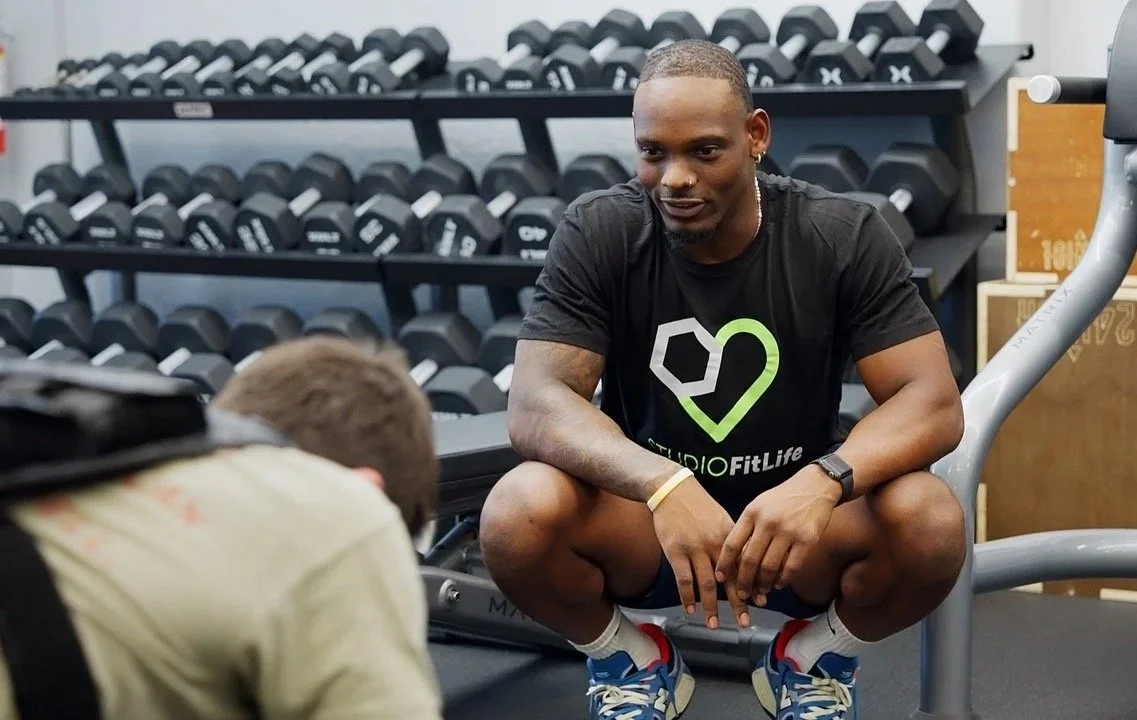
Video content that works best for Berkeley physical therapists specializing in sports rehab shows clear, step-by-step exercise demos, patient success stories, and expert tips on injury care. Your clients want to know they’re making progress, so videos that dissect rehab moves, demo safe form, and discuss common sports injuries get the most play. They trust bite-sized clips in the form of simple routines, stretch guides, and transformation results. Incorporating verbal explanations with visual guidance accelerates your audience’s learning. Letting local athletes and active patients see your background and hands-on care will help them trust you. The next section includes actionable tips for making your videos pop in a noisy field.
The Core Video Content
Sports rehab for athletes and active individuals is a vibrant space, and your physical therapy content should capture the variety of injuries, plans, and recovery journeys. By structuring your core video content with tiered, transparent, and visual explanations, you educate viewers about their bodies, the science of healing, and the importance of expert guidance from a physical therapist. These content pillars are key to serving the needs of your diverse global audience and empowering your patients with knowledge.
Knee ligament strengthening routines (e.g., after ACL injury)
Shoulder mobility drills for rotator cuff strains
Ankle stability and proprioception training following sprains
Hip flexor stretching and activation exercises
Core engagement for lower back protection
Eccentric loading for tendinopathy recovery
Plyometric progressions post-rehabilitation
Balance and agility exercises for sport-specific returns
1. Exercise Progressions
It’s essential for leading patients from acute injury to return-to-play to feature exercise progressions. Take your viewers through progressive workouts, beginning with light range-of-motion exercises, then progressing to resistance motions, and ultimately sport-specific activities. This not only instills confidence but also allows audiences to track their own progress.
Incorporate slow-motion or overlays to emphasize how muscles should contract. Cues and safety reminders are key, so let them know how bad form can stall recovery or even re-injure. When audiences watch good form and muscle engagement, they get a realistic lesson in injury avoidance.
Short follow-along sessions, like guided isometric holds or dynamic warm-ups, make your content interactive. Encourage your audience to do these habits over and over again and remind them about the importance of repetition and discipline.
2. Injury Explanations
Most patients are often lost to fear and confusion post-injury. It’s essential to describe what’s occurring with the body during a hamstring tear or ankle sprain. Leverage educational resources like diagrams and animations to illustrate how tissues are damaged and heal. Additionally, incorporating physical therapy content can enhance understanding of the recovery process.
Discuss realistic recovery timelines, explaining that mild ligament tears might take four to six weeks, while tendon repairs could require months. This approach facilitates calm and realistic expectations for advancement in rehabilitation exercises.
Visual demonstrations are a must. Explain how swelling, bruising, or instability manifests, and tie this back to proper rehabilitation guidance. This enables your viewers to identify signs that require professional re-evaluation and underscores the importance of consulting a physical therapist for tailored injury prevention strategies.
3. Technique Breakdowns
Deconstruct hands-on treatments such as joint mobilization or soft-tissue release on a stepwise basis. Utilize close-ups to highlight the therapist's hand placement, patient positioning, and target tissue.
Describe the science behind each method. Deep friction massage aids tendon healing because it increases blood flow and reduces scar tissue formation. Grade-specific joint mobilizations restore range of motion by improving joint mechanics and reducing stiffness. These clarifications demystify therapy for viewers.
Ask practitioners to contribute clinical pearls, like how they modify manual therapy for varying physiques or sports. This builds community and information exchange.
4. Patient Testimonials
Personal stories connect. Include patients who talk about their struggles, their rehabilitation journey, and their successes, like returning to sport or regaining function.
Emphasize the physical milestones and the emotional swings – confidence regained, fear of reinjury subsiding, motivation surging. Emotional testimonials that combine video diaries, before and after footage, and interviews establish trust and credibility.
Potential patients recognize themselves in these narratives. Ask your audience to consider their own objectives and visualize their achievement.
5. Myth Debunking
Disinformation is rampant. Check myths such as the notion that rest will heal any sports injury or that pain-free movement equates to recovery.
Define yourself as a physical therapist—not only in injury treatment, but in prevention and performance design. Leverage research and clinical experience to debunk popular myths.
Teach them why professional evaluation is important if the pain lingers or there’s reduced function. Emphasize that self-diagnosis or web-driven treatments are frequently insufficient and may prolong complete recovery.
Beyond The Exercise Demo
For sports rehab, video is most powerful when it goes beyond the exercise demo. Our most impactful videos showcase physical therapy education by illustrating the complete arc of a patient’s recovery, explaining the rationale behind rehabilitation guidance decisions, confronting typical recovery traps, and empowering patients to engage with the process. These three components, coupled with evidence-backed content strategies and relatable explanations, guarantee that you and your viewers walk away from every video with genuine value.
The Patient Journey
A nicely constructed video guides you through the different stages of rehab, beginning with the initial evaluation. By deconstructing this path from initial diagnosis and goal setting to treatment planning, progressive exercises, and return to play, you can demonstrate how recovery is not a moment in time, but a series of small, compounding steps. Explain each stage well, offering examples of how treatment plans shift and evolve based on patient feedback and healing trajectory.
Personalized treatment is crucial. When you demonstrate how plans are customized for specific injuries or athletic experience, you underscore the point that no two recoveries are alike. Tackling both the physical and emotional sides, whether it’s the frustration of setbacks or the relief of progress, builds connection and empathy. Invite an open dialogue in your videos, requesting patients to voice their concerns and questions. This does more than humanize the experience; it boosts patient engagement and compliance.
The "Why"
You need to rationalize each rehab approach. When you explain — in simple terms — why you select a particular movement or therapy approach, you help patients become smarter decision-makers and better invested in their own results. For instance, talking about the science of eccentric loading for tendon rehab or proprioceptive drills for ankle injuries can de-mystify the process and boost buy-in.
Understanding injury prevention empowers athletes and they feel a greater sense of control and less concern about re-injury. When you share statistics on injury rates and recovery outcomes, or explain a case where preventive work paid off, you put the benefits of rehab in concrete terms. Invite viewers to inquire about their plans and consistently respond with straightforward, candid replies. Videos that hold 70% retention rates all have something in common — they’re insightful and encourage active learning.
The Common Mistakes
Poor posture during exercises: Stress the need to keep a neutral spine and avoid overextending joints. Use visual cues and real-time corrections.
Skipping warmups or cooldowns can lead to physiological risks, such as an increased likelihood of injury and delayed recovery. Simple routines can help prevent these problems.
Overtraining or ignoring pain signals: Remind viewers to listen to their bodies, highlight the importance of rest, and suggest using pain as a guide rather than a barrier.
Neglecting progression: Emphasize the need to scale intensity based on individual progress and give examples of gradual loading.
Have them create a self-filmed exercise demo focusing on physical therapy techniques and talk about body mechanics in everyday language. Post examples of athletes who made mistakes but adjusted their routines, using these as teachable moments. Emphasize the importance of monitoring individual progress and employing competency-based milestones to guide student and physical therapist development.
Showcasing Berkeley Expertise
When you showcase your Berkeley specialty as a phenomenal physical therapist in sports medicine, it’s vital that you demonstrate your combination of technical depth, hands-on experience, and cutting-edge approaches. You want your viewers—athletes, trainers, and peers—to understand not just what you do, but also how you think and solve problems while providing rehabilitation guidance. The sections below dissect how you can leverage your expertise to create relevant, clear, and poignant physical therapy content.
Sport-Specific Rehab
You need to demonstrate how your approach varies as a function of the sport. A runner’s requirements aren’t the same as a basketball player’s. Table 1 below outlines some specialized techniques and knowledge you can showcase in your videos:
Soccer
Common Injuries: ACL tears, ankle sprains
Targeted Protocols: Neuromuscular training, balance drills
Key Techniques: Plyometrics, proprioception
Swimming
Common Injuries: Rotator cuff strain
Targeted Protocols: Scapular stabilization, flexibility work
Key Techniques: Band resistance, mobility work
Basketball
Common Injuries: Patellar tendinopathy
Targeted Protocols: Eccentric loading, quad strengthening
Key Techniques: Step-downs, weighted squats
Tennis
Common Injuries: Lateral epicondylitis
Targeted Protocols: Wrist extension, grip strengthening
Key Techniques: Eccentric wrist curls
By streaming live demonstrations of these protocols, you assist audiences in seeing the logic behind every movement. Discuss the unique stressors each sport places on your body. Demonstrate how you tailor your techniques to various physiques, ages, and skill levels. Establish credibility by highlighting your relationship with athletic trainers, perhaps a mini guest segment, to offer wraparound care. This shows an appreciation for teamwork, which is crucial in sports rehab.
Technology In Motion
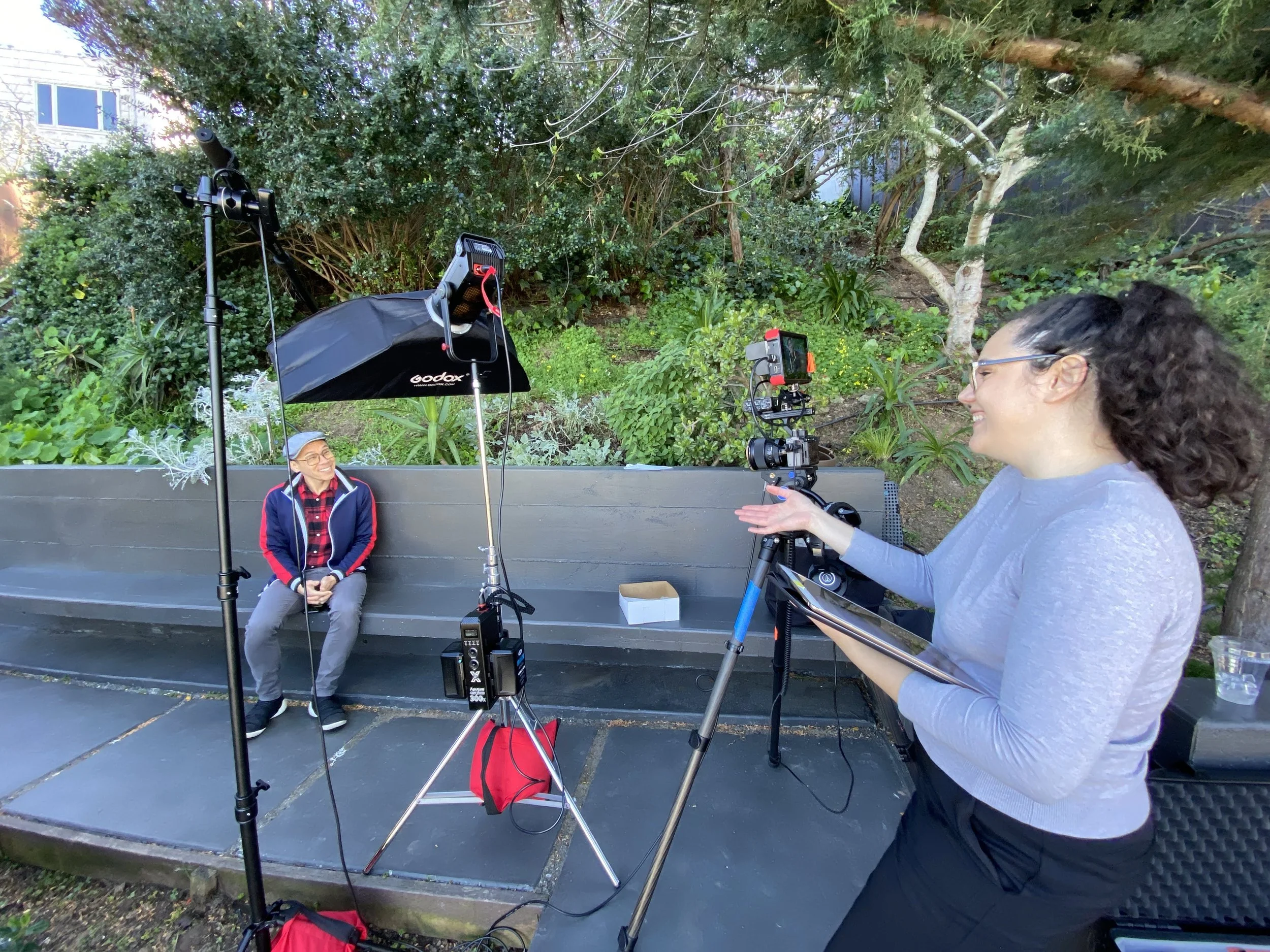
Modern sports medicine rehabilitation goes beyond just hands-on skills; it emphasizes the integration of technology for enhanced outcomes. Excite your audience with high-level tools like motion capture cameras and wearable sensors, which can be showcased through educational videos. For instance, a series could highlight a patient utilizing a force plate to monitor balance progress after an ankle injury, while another might feature real-time feedback from wearable sensors during gait retraining.
By leveraging this data, you can modify rehabilitation programs effectively. If a runner’s stride data reveals asymmetry, adjustments can be made to their workouts, optimizing performance. Videos should illustrate how to gather, analyze, and process this information, emphasizing the benefits: quicker recovery, fewer complications, and a personalized approach to treatment. Inspire technology as a partner in your rehabilitation journey, enhancing physical therapy education.
Evidence-Based Insights
Case A
Sport: Track & Field
Injury: Hamstring strain
Outcome: Full return in 6 weeks
Case B
Sport: Basketball
Injury: Ankle sprain
Outcome: Improved stability, no relapse
Case C
Sport: Tennis
Injury: Shoulder impingement
Outcome: Increased range, pain-free serve
Adhere to clinical guidelines when you post information or display rehabilitation plans in your videos. This tells your worldwide community that you appreciate secure, time-tested treatment. When you share success stories, provide clear numbers and truthful results. You establish authenticity through demonstrating successes and failures and sharing insights.
Challenge yourself and your classmates to continue learning. Always end your video with a quick call to action or spot highlighting a new study, encouraging others to join you in remaining at the forefront of sports rehab science.
Building Local Trust
Sports rehab physical therapists require more than skill; they require your trust. Trust is built by consistent community outreach, visible partnerships, and stories that demonstrate real results. Video content, especially educational resources like physical therapy education videos, fortifies these relationships, enabling you to connect not only with the athletes but also with parents, coaches, and fans. If you want to be perceived as a trusted local expert, you have to be accessible, friendly, and open.
Athlete Collaborations
Highlight partnerships with local athletes via video interviews, live workouts, or rehab footage. These videos allow you to showcase the specific challenges athletes encounter, from sprained ankles to complicated joint injuries, and explain how therapy regimens evolve for each sport. When the athletes share their stories, viewers see actual people, not just protocols. They connect with the failures, developments, and successes.
Collaborative videos — think athlete-led warmup routines or “day in rehab” style vlogs — can expose your content to new communities and provide a meaningful perspective to your audience. Inspire athletes to be open about their aspirations and anxieties. Their real voice is a lot more believable than slick marketing.
Collaborative efforts, such as community injury prevention or sport-specific clinics, can be advertised on video. These initiatives help both the athlete and your clinic by demonstrating proactive engagement in the local sports community. Regular uploads, such as a weekly athlete spotlight, build habits and local trust.
Community Q&A
Many individuals have questions regarding sports injuries, but often lack a platform to ask. Hosting regular Q&A sessions in video format, whether live or pre-recorded, allows you to address concerns directly. Discuss topics like 'How long does ACL rehab really take?' or 'What’s the safest way to get back on the field?' Identify common injuries, describe step-by-step treatment, and use clear, straightforward language. Incorporating physical therapy exercises into your discussions can enhance understanding of rehabilitation guidance.
Responding to viewers’ questions promptly within 24 hours shows that you value engagement. This immediate feedback fosters trust and encourages more inquiries in future sessions. Utilize these sessions to clarify complex rehabilitation exercises or evaluation methods, providing science-based explanations. Concrete examples, such as 'how to tape an ankle' or 'signs you need to see a specialist,' offer practical advice and utility.
By recording Q&A sessions and making them available for replay, you create a growing library of trusted local references. Catering to all ages and fitness levels broadens your community outreach, from student athletes to seniors. A light-hearted yet professional tone can break down barriers, making your physical therapy content accessible and engaging.
Success Stories
By gathering back stories of previous patients who returned to sport after injury, we provide inspiration to those currently in rehab through rehabilitation exercises. Leverage video content to demonstrate the effort and outcomes, showcasing how the physical therapist guides patients through the process from initial evaluation to recovery. Emotional storytelling, combined with clinical explanations, allows viewers to experience the science and the humanity of recovery.
Stories concentrate on the patient’s journey—the highs, the lows, and what really helped them. Invite patients to share in their own words about the process, establishing trust in your expertise and making your services tangible. Professional-level education, supported by research and transparent clinical reasoning, builds trust in your rehabilitation programs.
Demonstrate how you break down challenging problems and fit plans to needs, using visual demonstrations to enhance understanding. Testimonials paired with expert analysis provide evidence of your clinic’s proficiency in physical therapy education.
The Human Connection
Sports rehab encompasses more than just physical healing; it incorporates trust, compassion, and genuine human relationships with your care team. Berkeley physical therapists emphasize that your results depend on this connection. The top video enhances this human element, giving you insight into who your physical therapist is, their operational methods, and the philosophy guiding your rehabilitation journey, which is essential in sports medicine and injury prevention strategies.
Meet The Therapists
When you know who is leading your care, establishing trust from the beginning becomes essential. Spotlight videos featuring each physical therapist showcase their credentials, certifications, and individual sports rehab specialties. Your audience might encounter a kinesiology expert, someone with a decade of experience in elite athletics, or a staff member passionate about rehabilitation guidance. These profiles go beyond resumes; they reveal the motivations behind therapists entering the profession, their dedication to your recovery, and how they find purpose in your breakthroughs.
It matters to share our stories. One therapist may discuss their personal experience recovering from an injury as a student athlete, providing context for their compassion towards your frustrations. Another might talk about working with a patient who returned to competition following an extended rehab, illustrating the gratification that comes from effective rehabilitation exercises. When you observe therapists collaborating on care plans or celebrating triumphs, it signifies you’re supported by a team, not just a provider.
A Day In The Clinic
Behind-the-scenes video gives you a feel of what life is really like at the clinic. These videos could feature the morning team huddle, meticulous equipment checks, and rehabilitation guidance as therapists prepare customized plans for each patient. You view the clinic as a living, breathing environment, not merely a treatment room. Staff collaborates, following up on one another and patients, addressing inquiries, and ensuring each feels at home.
Treatment options are shown in action: you might glimpse a strength-building session, hands-on manual therapy techniques, and rehabilitation exercises during injury prevention workshops. The diversity of treatments underscores that your healing regimen is not cookie-cutter. From the way they welcome you in the waiting room to the little pep talks they give during difficult sessions, the team strives to make every visit empowering.
Short clips might tempt you to take a virtual tour or display a standard patient’s experience, painting the clinic as approachable and welcoming. We want our viewers to come visit, see the space, and feel the good vibes from a team that truly cares about your physical health.
The Philosophy Of Care
Our top care begins with great principles, especially in the realm of physical therapy. Berkeley sports rehab clinics distinguish themselves with empathy, attentive listening, and tailored care, emphasizing the importance of personalized injury prevention. Videos should describe these concepts lucidly, showcasing therapists discussing how they hear your objectives and accommodate you where you stand. They detail how gratitude, even just 15 minutes a day, can transform your mindset and make recovery stickier. Sharing little things, like a gratitude journal or a mini mental ‘sabbatical’, becomes a staple of your rehabilitation guidance.
Real patient testimonials undergird these concepts, illustrating how consistent check-ins, candor, and positive reinforcement made them feel seen, not serviced. Others describe how small joys, such as coffee, a stroll with a friend, and journaling before bed, kept them connected to their own momentum. Highlighting the seven kinds of rest, healers demonstrate how restoration is holistic, reinforcing the connection between physical health and emotional well-being.
Content Creation Best Practices
Video content for physical therapy and sports rehab practitioners in Berkeley is essential. The right approach assists your patients and establishes your credibility as a phenomenal physical therapist. Excellent content is valuable to the patient, addressing key questions and presenting educational resources in various formats—videos, infographics, and short reads. Consistency is important. Commit to a schedule you can maintain that won’t cause burnout. Repurposing your best work across formats multiplies your reach and impact, making your strategy about assisting people to learn, recover, and feel empowered.
Decompose rehab steps with clear demos and voice-over explanations.
Apply real-world sports situations, ranging from running to cycling, to demonstrate actionable advice.
Offer quick Q&A sessions to address frequent patient concerns.
Share patient progress stories (with consent) to build trust.
Include infographics summarizing exercise routines or injury prevention tips.
Multilingual: Craft content in many languages to honor an international readership.
Optimize lighting and sound for clear, distraction-free viewing.
Add captions for accessibility and wider reach.
Track likes, comments, and shares to optimize future content.
Simplify The Complex
Try to break big ideas into small, digestible bits. Try to use simple words and short sentences whenever possible. Don’t tell so much as show. If you’re describing a rotator cuff rehab move, show side-by-side clips, one in slow motion and one with an actual patient. Accompany each video with a visual guide, such as a muscle map. Employ analogies, like a muscle tear compared to a fraying rope. That gets the message across to viewers of all backgrounds.
Ask for questions in the comments. Tell your viewers you want them to inquire if they’re stuck. Answer their questions in follow-up videos. This forms a virtuous circle in which you solve real problems and earn credibility.
Optimize For Mobile
Most folks view videos on their phone or tablet. Go vertical and fill the screen. Make your videos brief, between 30 and 90 seconds, for the majority of subjects. If you must go longer, segment your video into chapters. Captions are essential because so many people watch with the sound off.
Post your best clips on various social media sites. Quick tips for Instagram or TikTok and longer walkthroughs for YouTube. Monitor your analytics. See what clips are most watched or most shared. There’s your guide to creating more.
Make sure you test your videos on various devices prior to posting. Ensure text and images are readable.
Encourage Engagement
Have viewers comment with their own injury tales and rehab victories. That makes them feel like a tribe. Polls or surveys can be great to find out what your readers want to hear from you next. Finish each video with an easy call to action; have them like, share, or tag a friend who needs the deets.
Publish on a consistent schedule so your audience knows when to anticipate your next post. Above all, be consistent even if that means posting only once a week.
Conclusion
You want solid video content that displays your expertise and the genuine treatment you offer as a Berkeley sports rehab specialist. Clear exercise demonstrations help your viewers attempt safe movements at home. Short tip videos provide immediate assistance for pain or return to play. Use plain language, authentic voices, and your local environment to differentiate yourself. Highlight your clinic, gear, and team. Make your care feel genuine and intimate. You provide the information people require to remain resilient and recover effectively. Keep your videos current and consistent with your practice. If you’d like to reach more folks, begin plotting your next video today—your story counts.
Frequently Asked Questions
1. What Types Of Video Content Work Best For Sports Rehab Physical Therapists In Berkeley?
Think exercise demos, patient spotlights, and specialist tips. These physical therapy content videos allow you to demonstrate your expertise, establish trust, and appeal to clientele in need of sports medicine rehabilitation.
2. How Can You Highlight Your Berkeley Expertise In Your Videos?
Provide case studies, local sports news, and partnerships with local professionals, utilizing your experience with local athletes to demonstrate your intimate knowledge of Berkeley’s active community and sports medicine services.
3. Why Should You Go Beyond Basic Exercise Demonstration Videos?
Incorporating advice on injury prevention strategies, recovery timelines, and personalized care enhances your physical therapy content, demonstrating your expertise and positioning you as a trusted authority in sports medicine.
4. How Do You Build Trust With Your Local Audience Through Video?
Include real patient testimonials, describe your treatment process, and showcase your physical therapy team. Local viewers respond positively when they see real faces and hear authentic stories from your clinic.
5. What Is The Importance Of Human Connection In Your Video Content?
Empathy and personal stories allow potential clients to connect with you, enhancing their comfort and trust. This emotional bond encourages them to choose your clinic for their physical therapy and rehabilitation needs.
6. What Are Some Best Practices For Creating Effective Sports Rehab Videos?
Ensure that your physical therapy education videos are concise and well-illuminated, incorporating subtitles for accessibility. By addressing common questions, you can enhance viewer engagement and trust.
7. How Can You Ensure Your Video Content Reaches The Right Audience?
Utilize appropriate keywords and post your educational videos to local FB groups, including titling and descriptions, to enhance visibility for people seeking sports medicine practitioners and physical therapy content in your area.
Video Marketing For Physical Therapists That Helps Patients Choose You
Patients don’t just want treatment; they want to feel confident before they ever book an appointment. The right video does exactly that. At Peakbound Studio, we help physical therapists create video marketing that builds trust, explains care clearly, and motivates patients to take the next step.
Imagine a new patient watching a short brand video and instantly understanding your philosophy, your energy, and how you treat people. Picture testimonial videos where real patients share their progress and relief in their own words. Educational explainer videos can break down common conditions, recovery timelines, and treatment options so patients feel informed instead of overwhelmed. Social media videos keep your clinic visible and familiar, even when someone isn’t injured yet.
We don’t just film good-looking videos. Every piece is planned with intent. We handle strategy, scripting, filming, editing, and optimization so each video fits how physical therapy patients actually search, scroll, and decide. The result is content that feels natural, professional, and genuinely helpful.
When your videos answer questions, reduce uncertainty, and show the human side of your practice, patients respond. Let Peakbound Studio help you turn video marketing into one of your strongest growth tools. Reach out today, and let’s plan something that gets noticed and gets results.