What Are The Most Effective Types Of Business Videos For Marketing?
Key Takeaways
You can make the most marketing impact by matching different types of videos to each stage of the customer journey, from awareness to loyalty.
Whether it’s a high-quality, clear storytelling video that makes your brand credible or an authentic, behind-the-scenes video that makes you real to your audience, put attention and care into creating the best possible videos.
Use a range of engagement and conversion metrics, such as shares, comments, and conversion rates, to measure the success of your video campaigns and make data-driven adjustments to your strategy.
Strategically distribute your videos on owned, paid, and earned channels to increase your reach from social media and targeted ads to influencer partnerships and your own website.
Demystify difficult messages with explainer videos and visuals. This renders your products or services understandable to a larger audience. Seek input to perpetually optimize your videos.
Keep pace by tracking trends, embracing AR and other emerging tech, and taking a data-driven approach to ensure your video marketing remains in step with shifting audience tastes.
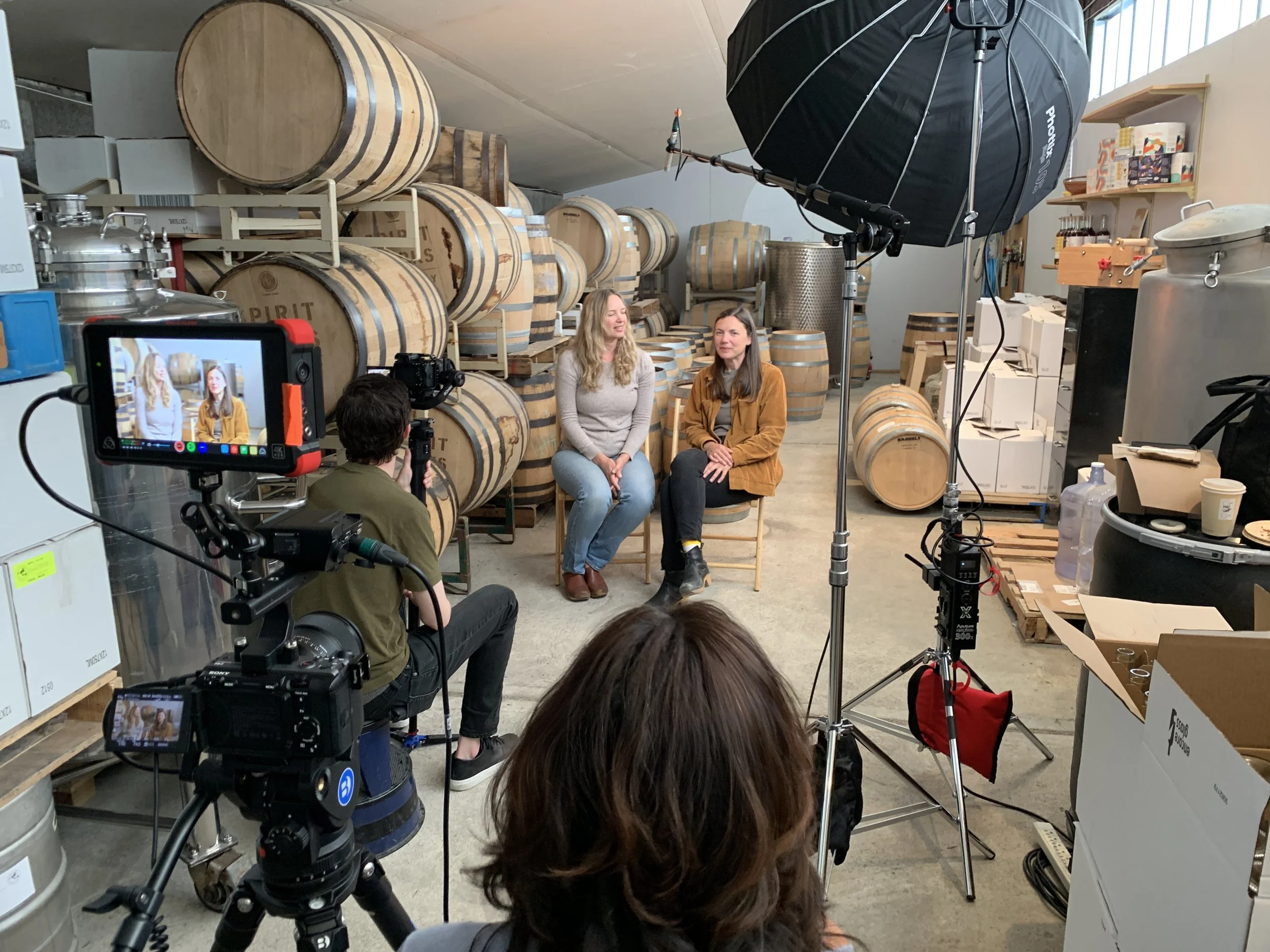
Which kinds of business videos work best for marketing? You can leverage these types to demonstrate how a product works, tell your brand’s story, or present customer testimonials to a novel audience. Explainer videos make complex ideas digestible, while product demos provide a hands-on view of your offering. Customer testimonials establish trust through authentic experiences, while brand stories resonate emotionally. These video styles perform well across digital channels, enabling you to connect with your audience through concise, targeted messaging. In the following section, you’ll understand why each type suits different objectives and how to employ them effectively.
The Video Marketing Spectrum
Business videos, such as promotional videos and customer testimonial videos, influence each stage of your customer’s journey. Each stage—awareness, consideration, decision, and loyalty—requires a different kind of video content. Targeting each phase with the right marketing videos allows you to lead viewers from initial impression to enduring relationship, enhancing your overall video marketing strategy.
1. Awareness Videos
Awareness videos serve as a powerful marketing tool, helping you stand out in a busy marketplace. These brief, energetic snippets of video content get your brand in front of new eyes. By utilizing bold colors, memorable music, or animation, you can grab attention effectively. Concentrate on the key message that differentiates your brand and distribute these marketing videos across social media channels such as Instagram, YouTube, and TikTok to connect with wide audiences in moments.
One product explainer video can demonstrate in a minute what you do. Brand sizzle reels featuring people or animated characters can also be impactful. Always refrain from sounding like a commercial and leave viewers eager to learn more, ensuring your name remains top-of-mind.
2. Consideration Videos
In the consideration stage, your audience already knows you. Now, help them understand why they ought to believe you. Product walkthroughs deconstruct features and illustrate the benefits with actual use cases. Keep it direct and focus on relevant facts. Educational ‘how-to’ videos or expert interviews can position your brand as a thought leader. For instance, a SaaS company may upload setup or best practices tutorials.
Customer and case study videos provide evidence that your solution is effective. Sprinkle in Q&A or live polls to engage viewers. This keeps the action moving and allows you to respond to typical concerns immediately.
A short customer narrative on video will ignite trust quicker than any copy.
3. Decision Videos
Decision videos are crucial in your video marketing strategy, providing that final push potential customers need. Ensure your product demo videos are transparent and truthful, walking viewers through a problem from start to finish. Side-by-side comparison videos highlight what makes your brand different, offering honest insights rather than just a sales pitch.
CTAs should be forceful yet accessible, including links or calls to action at the conclusion. Focus on customer testimonial videos that discuss impact and results, as a short 'why I bought it' customer video can significantly enhance engagement.
Make sure every detail addresses the question: “Why should I buy from you right now?” This will reinforce your marketing goals and improve customer engagement.
4. Loyalty Videos
Loyalty videos keep your customers returning. Share behind-the-scenes clips, show your team, your process, or your sourcing. Thank you videos or video birthday wishes make people feel special. Update or sneak peek vlogs make customers part of your story.
Personally, invite customers to submit videos of themselves using your product. Share these user-created stories to create a real community. Loyalty develops when people view themselves as members of your brand, not simply as purchasers.
Matching Video To Goal
Matching the right video type to your marketing goals means knowing what you’re trying to accomplish and who you’re trying to reach. For brand awareness, it’s all about short, beautiful marketing videos that showcase your brand without overwhelming the consumer. For lead generation, utilize educational videos that give viewers a reason to share their information, such as webinars or product demonstration videos. If your goal is customer retention, personalized thank-you videos or support guides can help deepen loyalty. Be sure to review your analytics to see what works; metrics like watch time and click-through rates will inform your next steps. Experiment with various video content types, such as interviews, tutorials, and live streams, to discover which ones keep your viewers most engaged.
Simplify Complexity
Explainer videos are a powerful marketing tool when you need to make a hard subject digestible. Use them as part of your video marketing strategy to walk viewers through how your product works or to debut new features. These marketing videos tend to be luminous, a bit dumbed down, and very plot-driven. For instance, a health tech company could rely on an animated video to illustrate how its platform tracks symptoms effectively.
Animations and graphics really enhance the content quality, helping people remember key points. When you use charts, icons, or step-by-step illustrations, you make your point quicker and keep people engaged. Stick to your message. Showcase one benefit or feature per video, not everything at once, to ensure clarity in your marketing efforts.
Solicit input with quick surveys or comment requests at the conclusion of your videos. This feedback shapes sharper and more well-defined content, making your marketing video more effective and easier to follow for your target audience.
Build Trust
Testimonial videos serve as a powerful marketing tool by showcasing real people who have benefited from your offering. When viewers encounter authentic experiences through marketing videos, your claims become more credible. For example, in finance, a brief video featuring a satisfied client discussing how your platform aided them in achieving their goals can significantly impact your audience.
Case studies are effective for longer narratives, allowing you to take viewers through a client’s challenge, your solution, and the final results backed by metrics. Consistently using the same colors, logo, and tone in your promotional videos greatly enhances your branding, fostering familiarity and trust over time.
Engaging with comments and participating in discussions on your social media channels demonstrates that you value viewer feedback, making your brand more accessible and trustworthy.
Drive Action
Checklist for effective calls-to-action:
State your offer or next step clearly.
Be explicit, such as "Sign up now" or "Get your free trial."
Position your call-to-action in the middle and at the end of the video.
Ensure the button or link stands out, is easy to find, and functions well across all devices.
Give them a reason to act—a killer deal or limited-time offer.
Promo videos that leverage excitement and urgency (“Just 24 hours remaining!”) assist with expediting decisions. Include actionable links in the video or description so viewers can act immediately. Always observe how people react to your videos. Monitor clicks, views, and how many accomplish the action you desire. Use this data to improve your next videos and enhance results.

The Authenticity Paradox
In business video marketing, authenticity is valuable yet elusive. The authenticity paradox is the idea that the harder you try to appear real, the faker you appear, and that ruins trust. Contemporary audiences want to engage with brands that seem authentic, yet studies indicate that just 50 percent or less think most brands are authentic at all. There’s no room for the real you. There’s a lot of pressure these days to present a “polished” online version of yourself, which just leaves your audience feeling disconnected, exhausted, and doubtful. When creating business videos, you struggle to be polished and authentic, juggling your brand’s image with the fact that viewers can sense when something’s contrived or fake.
Do’s and Don’ts for Achieving Authenticity in Video Content:
Do use real stories and real people when possible.
Do reveal behind-the-scenes moments to personalize your brand.
Do use great visuals to signal care and professionalism.
Do encourage interaction through live or unscripted formats.
Don’t over-script or force “authentic” moments.
Don’t rely on trends that don’t fit your brand.
Don’t gloss over mistakes or feedback; address them openly.
Don’t pose with a polished projection that rings hollow.
Polished Production
High production values still count in your video marketing strategy. Spend what it takes to get good lighting, clear audio, and crisp visuals. These factors demonstrate that your brand is quality-conscious, which fosters trust among modern consumers who expect that level of quality. Use editors to slash distractions and stay on message. Storyboards and scripts assist in developing a story arc and provide clarity of objective for each marketing video.
A professionally produced video not only communicates your brand’s values and mission with precision but also enhances your content marketing strategy. Consider creating videos such as explainer videos, product demos, or animated infographics. All are supported by slick visuals and crisp organization. In a noisy online environment, this professionalism aids in distinguishing your message.
However, don’t let polish supersede genuine connection. Too much perfection can appear contrived, especially if your brand never reveals any imperfections or real-world context. For instance, an over-polished product demonstration video should still include human touches like customer testimonial videos or employee highlights to maintain authenticity.
Raw Authenticity
Contemporary readers believe in what seems genuine. Raw, in-the-moment stuff—think vlogs or quick behind-the-scenes clips—tends to get more engagement since it puts faces to your brand. Have your team create marketing videos showcasing their daily work or film casual Q&As. These types of formats expose your company’s culture and values in an authentic-feeling way.
UGC is another great choice. Invite your customers to send you videos about how they use your products and showcase them with little editing. This establishes faith and demonstrates that you respect honest input. Try hosting social challenges or inspiring story submissions. This boosts engagement and serves up authentic brand-customer connections, enhancing your video marketing strategy.
Live streams and unscripted content offer immediate engagement. Audiences can ask questions and receive answers immediately. Your brand became more accessible. It helps close the divide between schmoozed marketing and genuine dialogue, which is critical as consumers become increasingly adept at identifying when brands are simply “performing.
The paradox is clear: striving to appear genuine can sometimes make you look less so. Shoot for a combination that is businesslike, but do not avoid faux pas or rough edges. This blend breeds trust and keeps your brand human, even as you scale.
Beyond The View Count
To build a powerful marketing tool through your video marketing strategy, you need to go beyond view count. Instead, concentrate on how your marketing videos ignite action and drive return visits and direct business results. Digital tools allow you to measure what’s really important: engagement, conversions, and retention, enabling you to optimize and reach audiences across the globe. Strong video content is obvious and concise, resulting in durable connections. With modern consumers watching 100 minutes of online videos a day, optimizing each moment is essential.
Views represent the total number of times a video is watched, giving a basic measure of how many people the content has reached.
Likes indicate the number of positive reactions from viewers and help show how well the video resonates with its audience.
Shares measure how often viewers distribute the video to others, reflecting how engaging or valuable they find the content.
Comments consist of viewer responses or feedback posted under the video and provide insight into audience opinions, questions, and overall engagement.
Click-throughs track how many viewers click from the video to a linked destination, such as a website or landing page, showing how effectively the video drives traffic.
The retention rate refers to the percentage of the video that viewers watch before dropping off, helping assess how well the content holds attention.
Conversions measure how many video views result in a desired action, such as a signup or purchase, making this metric crucial for evaluating business impact and ROI.
Engagement Metrics
Measure engagement through likes, shares, and comments, as these metrics indicate how well your marketing videos resonate with your audience. They help you understand if your narrative or communication is effective. Go beyond simple view counts; utilize heat maps to identify which moments in your video content capture attention or lose it. This data can reveal what works best, whether it’s a specific image, presenter, or message.
Be proactive rather than passive. Engage your audience by posing questions or conducting polls within your videos or comments. This approach keeps viewers invested and provides direct feedback to enhance your video marketing strategy. Use these insights to refine future videos by experimenting with different styles, lengths, or calls to action, ensuring your message remains memorable.
Conversion Metrics
See whether your video marketing strategy actually generates sales, leads, or signups. Use conversion tracking to find out how many viewers convert after watching your marketing videos. Create custom landing pages for each campaign to assist in identifying how different video content performs in turning curiosity into outcomes. Experiment with formats through A/B testing, such as customer testimonial videos versus product demonstration videos, to find what drives more clicks or signups. Video ads have a click-through rate of 1.84%, which is more than most other formats, demonstrating their potential as a powerful marketing tool.
Consider the entire consumer experience and discover how marketing videos assist in transitioning consumers from brand awareness to purchase. An ongoing series of engaging videos establishes trust and maintains viewer momentum, which can significantly increase conversion rates overall.
Retention Metrics
Begin with strong, compelling hooks in the first few seconds.
Watch for audience drop-off points in analytics.
Experiment with various video lengths and pacing. Test what retains viewers.
Use polls or calls to action to keep viewers engaged throughout.
Make your message simple and direct to keep attention.
Keep testing and refining based on what works.
When you know where viewers drop off in your video marketing strategy, you can improve your marketing videos. Short, focused videos fit shrinking attention spans, making them a powerful marketing tool.
Strategic Video Distribution
A clever plan for your video marketing strategy is about more than producing great video content. You must be strategic about how you distribute your marketing videos so people encounter them and engage with them. You want to leverage every channel – owned, paid, earned – to maximize reach and engagement wherever your viewers may reside or work. Consider how your audience locates you—on your site, via search, on their feeds, from an advertisement, or from a trusted source. Within each path is a little more detail, but all roads lead to the same destination.
Owned Channels
Begin with your website and blog. Strategically distribute your videos. Host your signature videos there, and use them to assist visitors, either hanging around longer or navigating to other pages. For instance, a product demo on your home page can demonstrate what you sell, while a customer story in your blog can establish trust.
Videos in your email updates increase click-through rates or even purchases. A brief, obvious clip that provides immediate value works much better than a text wall. Test a rapid feature tip or welcome video when someone registers.
Don’t ignore your main social pages. Post consistent clips, sneak peeks, and quick updates. Here, you’ll have the opportunity to display your brand’s voice and interact with followers in real time. If you produce lots of videos, create a special location on your site, a gallery or resource page, where visitors can find your best work.
Paid Channels
Paid ads allow you to get in front of new people who don’t know you yet, making them an essential part of your marketing video strategy. Begin with social clips tailored to specific demographics, like age or profession. For instance, serve up a quick product explainer video to young professionals on LinkedIn or a playful how-to video to students on Instagram.
YouTube is undoubtedly a powerful platform for video ads, offering a vast audience for your marketing efforts. With billions of users globally, your brand can gain massive exposure. Pre-rolls, in-stream promos, or sponsored cards can all work effectively. Choose the video format that aligns with your message and budget to maximize impact.
Retargeting is important if you want to remind them about your brand. Maybe someone viewed your product tour but didn’t register—serve up a follow-up video ad the next time they log in. Never look at your ad stats, such as view rate and cost per click, so you know what is working and where you should spend more.
Earned Channels
When you partner with influencers, your videos are distributed to communities you can’t penetrate alone. Choose partners who suit your niche, such as a healthcare professional for a medical technology video or a financial blogger for a fintech debut. This way, their audience believes what you say.
Ask viewers to share videos with friends or post to groups. If it’s obvious and valuable, folks will forward it. I like this because it makes your brand grow cheaply.
Something like strategic video distribution or PR can amplify your reach as well. For example, you can send out press releases with embedded videos or pitch stories to news sites. Great press coverage adds credibility and brings additional attention to your message.
Distribute your best clips in online communities such as forums or networks related to your field. When you enter the conversation and provide meaningful contributions, your videos can initiate new conversations and drive leads.
Future Of Video Marketing
Video marketing is essential for building your next step in your digital marketing strategy. As you strategize, you need to watch for trends and tools that will influence how you engage your audience. The way you use video today is going to look different a year or two from now. That implies you’ve got to anticipate what’s coming so you can plan and act with haste and finesse.
Looking forward to the next wave of video marketing that gives you a head start. Short-form video continues to grow, led by TikTok, Instagram Reels, and YouTube Shorts. These platforms force you to shove your message into a narrow frame, so your narrative has to be incisive. Live streaming is increasingly prevalent as well. Whether you’re sharing a product launch or a Q&A, live video allows you to build trust and speak directly to your audience in real time. Interactive video, which is a powerful marketing tool, enables people to choose what they watch or do, disrupting the way you maintain audience engagement. This technique is perfect for product demos, virtual shopping, and training, offering you a fresh approach to walk people through your offer.
New tech is powering how you create and distribute videos. AR and VR aren’t concepts anymore; they’re technologies that assist you in constructing a new narrative. With AR, you let your viewers visualize how a product fits in their reality. For example, a home goods brand can allow buyers to see furniture within their own space through AR. VR takes it one step further, allowing you to construct entire worlds for users to enter. A training company could use VR to provide practical lessons with zero danger. These innovative ways to use video content not only look cool but also make your content personable and accessible.
Data is at the core of a robust video marketing strategy. Using the appropriate tools, you can monitor who is watching, what they prefer, and where they lose interest. This allows you to tailor your message to your audience, not simply speculate about what they desire. If your metrics say viewers drop off at 30 seconds, you know your video is either too long or unclear. By testing and learning from the numbers, you can make each new video sharper and more aligned with your marketing goals. Many brands now use AI-driven tools to recommend when to post, who to target, and even which scenes will work best.
The viewing behavior keeps evolving. You need to be attentive to what your audience wants to see. Some want to watch on mute with captions, some want quick stories, and some want deep guides. You’ve got to make your marketing videos fit all these styles if you want to reach more people. It’s not a one-size-fits-all deal. Younger viewers may desire quick, entertaining snippets, whereas working professionals may seek more in-depth, educational videos. Your smartest play is to construct a blend that satisfies these requirements.
Conclusion
So now you understand how every type of business video fits into your marketing strategy. Product demos demonstrate what your offer can achieve. Explainers deconstruct hard concepts with plain English. Brand stories make people feel connected to your mission. Customer stories create trust quickly. Live streams provide authentic access and immediate responses. Animation is great for fun, simple scenes. What’s important is to establish your objective up front and then choose the style that aligns best. Use straight-talk words and straight-faced honesty. Publish your videos where your crowd hangs out and see what sticks. The video world goes on, so stay tuned and keep educating yourself. Post your wins or struggles in the comments. Let’s make the community stronger!

Frequently Asked Questions
1. What Types Of Business Videos Are Most Effective For Marketing?
Explainer videos, product demonstration videos, customer testimonial videos, and behind-the-scenes footage are the best business video types for marketing. These impactful videos captivate visitors, establish trust, and transparently highlight your value.
2. How Do I Choose The Right Video Type For My Business Goal?
Match your video type to your marketing objectives. For brand awareness, utilize impactful storytelling or brand videos. When launching a product, showcase product demo videos or tutorials. To build trust, incorporate customer testimonial videos.
3. Why Does Authenticity Matter In Business Videos?
Real videos, such as customer testimonial videos, build relationships by fostering trust through authentic storytelling and communication, leading to increased engagement and better returns.
4. Should I Focus Only On Video View Counts?
No. View count might indicate reach, but engagement, shares, and conversions are the real deal in your video marketing strategy. Follow these metrics to track real video marketing victories.
5. How Can I Distribute My Business Videos Effectively?
Distribute your marketing videos on your website, social media platforms, ads, and email campaigns to reach where your target audience spends time.
6. What Are The Latest Trends In Video Marketing?
Short-form videos, live streaming, and interactive content are powerful marketing tools. These video content types foster engagement and maintain interest in your brand.
7. Can Video Marketing Work For Small Businesses?
Yes. Even on a shoestring budget, marketing videos made with just smartphones and free editing software can be a powerful marketing tool. Real content quality matters more than high budgets.
Showcase Your Brand With Peakbound Studio’s Business Video Expertise
Not sure what type of video will make the biggest impact for your business? Choosing the right format matters. At Peakbound Studio, we help brands identify and produce the video types that best fit their goals—whether you’re building trust, explaining services, or driving conversions.
From brand videos that define your identity to explainer videos that clarify complex ideas, we craft visual stories that connect with your audience and strengthen your message. Need to boost engagement? We create social media clips designed for maximum shareability. Want to earn credibility? Our testimonial videos spotlight real client experiences. Looking to educate or onboard? We’ll script and produce training and tutorial videos that make learning clear and engaging.
Every video we produce blends cinematic quality with strategic intent. We handle everything from planning and scripting to filming, editing, and optimization for each platform. The result is content that looks polished, performs well, and aligns perfectly with your brand’s voice.
When your business videos reflect purpose and quality, your audience feels it. Let Peakbound Studio help you choose and produce the right video types to elevate your brand story. Contact us today to start planning your next project.